
Drug testing in insurance underwriting 2026 guide
Applicants testing positive for drug use face 30-50% higher claims risk, yet most insurance professionals still view drug testing primarily as a fraud detection tool. In reality, biochemical screening has evolved into a sophisticated underwriting instrument that enables precise risk stratification and fair premium pricing. This guide explores how drug testing shapes risk assessment, regulatory compliance, and ethical practices in modern insurance underwriting.
Table of Contents
- Introduction To Drug Testing In Insurance Underwriting
- Types Of Drug Tests Used In Insurance And Their Characteristics
- Legal And Regulatory Frameworks Governing Drug Testing In Insurance
- How Drug Testing Influences Risk Scoring And Premium Decisions
- Common Misconceptions And Legal Challenges In Insurance Drug Testing
- Ethical And Privacy Considerations In Drug Testing For Insurance
- Practical Applications: Integrating Drug Testing In Insurance Underwriting Workflows
- Summary And Forward Look: The Future Of Drug Testing In Insurance
- Explore Comprehensive Drug Testing Solutions For Insurers
- Frequently Asked Questions
Key takeaways
| Point | Details |
|---|---|
| Objective risk data | Drug testing provides biochemical evidence that supplements self-reported health information and improves underwriting accuracy. |
| Testing method variety | Urine tests offer cost-effective short-term detection while hair analysis reveals 90-day drug use history at higher cost. |
| Regulatory compliance | SAMHSA certification and informed consent protocols are mandatory to ensure legal defensibility and applicant privacy. |
| Premium impact | Positive results typically increase premiums 10-25% rather than trigger automatic coverage denial. |
| Ethical balance | Best practices limit testing scope to policy-relevant substances while maintaining strict confidentiality and transparency. |
Introduction to drug testing in insurance underwriting
Drug testing delivers objective biochemical data that traditional underwriting questionnaires cannot match. Self-reported health information often omits or understates substance use patterns that directly correlate with claims frequency and severity. Insurers deploy drug screening across life, health, and disability policies to identify undisclosed risk factors that would otherwise skew actuarial models and inflate loss ratios.
The application spans multiple underwriting goals beyond simple fraud prevention:
- Detecting current substance use that increases accident risk and health complications
- Validating applicant declarations to maintain portfolio integrity
- Enabling refined risk-based pricing that rewards low-risk applicants with better rates
- Reducing adverse selection by identifying high-risk individuals seeking coverage
Applicants testing positive for drugs have a 30-50% higher claims risk affecting insurer decisions. This quantifiable elevation in expected costs justifies premium adjustments rather than blanket coverage denials. Biochemical screening transforms subjective health assessments into measurable risk metrics that actuaries incorporate into pricing models. The result is more accurate underwriting that balances insurer profitability with applicant access to appropriate coverage.
Types of drug tests used in insurance and their characteristics
Insurers select from multiple testing methodologies based on policy value, applicant risk profile, and cost constraints. Each method offers distinct detection windows, accuracy levels, and price points that align with specific underwriting scenarios.
Urine drug testing is cost-effective with a 1-4 day detection window, suited for baseline screening. Standard immunoassay panels identify recent substance use across common drug classes at approximately $30-$50 per test. The short detection period captures active users while missing those who abstained briefly before testing. Mass spectrometry confirmation eliminates false positives from cross-reactive substances like poppy seeds or certain medications.
Hair drug testing costs more but shows up to 90 days of drug use, useful for high-value policies. Analysis of 1.5-inch hair samples reveals chronic consumption patterns that urine tests miss entirely. The $100-$200 price tag restricts hair testing to applicants seeking substantial coverage amounts where extended detection justifies the expense. Hair analysis excels at identifying habitual users who time abstinence around anticipated urine screening.
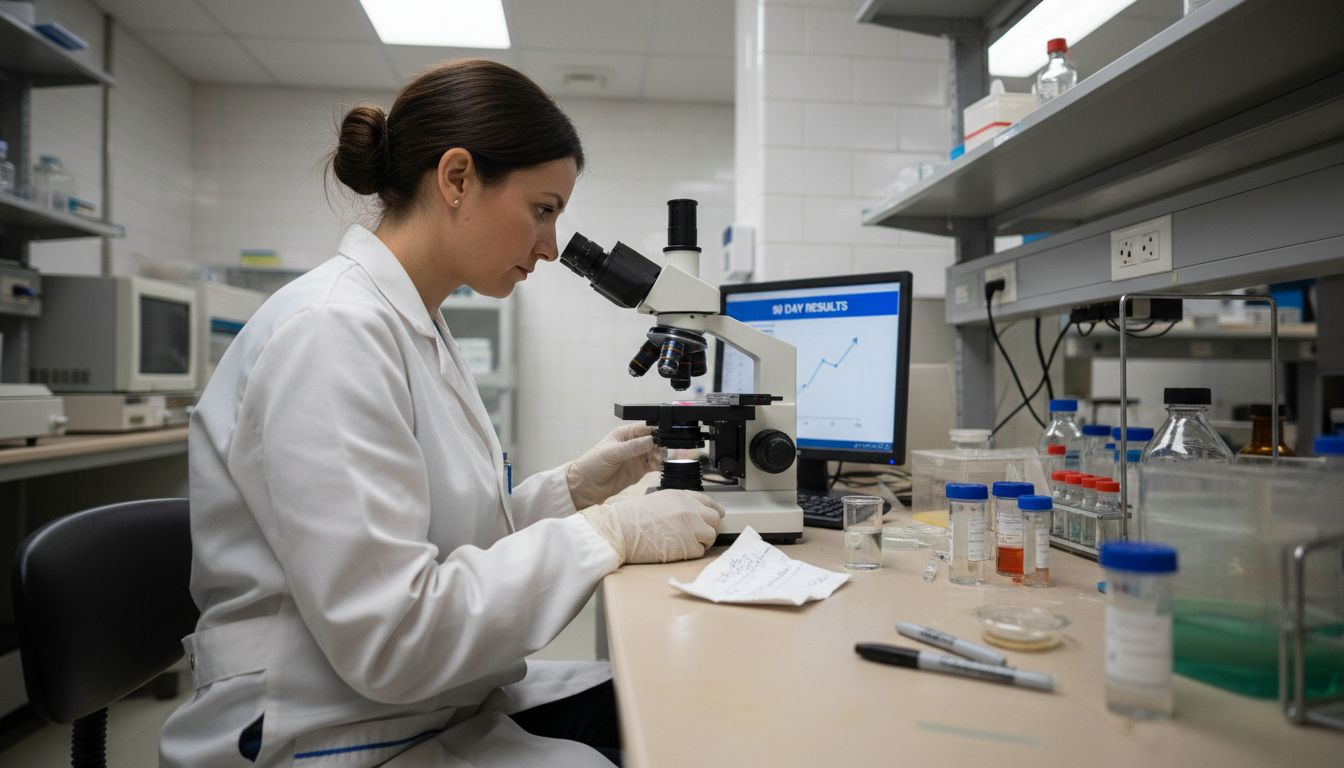
At-home test kits provide preliminary screening with faster turnaround but require lab confirmation for underwriting decisions. Saliva-based devices deliver results within minutes, enabling rapid pre-qualification before formal application processing. However, drug screening options must be verified through certified laboratory analysis to meet regulatory standards and legal defensibility requirements.
| Test Type | Detection Window | Cost Range | Best Application |
|---|---|---|---|
| Urine immunoassay | 1-4 days | $30-$50 | Standard applicant pools |
| Hair follicle | Up to 90 days | $100-$200 | High-value policies |
| Saliva rapid test | 12-24 hours | $15-$30 | Preliminary screening |
| Blood serum | Current use only | $150-$300 | Impairment verification |
Pro Tip: Use urine tests for broad applicant pools to maintain cost efficiency, then deploy hair analysis for high-value or suspicious cases where extended detection history justifies the premium expense.
Matching test methodology to policy characteristics optimizes underwriting efficiency. Small term life policies rarely warrant expensive hair analysis, while million-dollar permanent coverage demands comprehensive screening that captures long-term substance use patterns.
Legal and regulatory frameworks governing drug testing in insurance
Regulatory compliance forms the foundation of legally defensible drug testing programs. Insurers must navigate federal certification requirements, state consent laws, and privacy regulations that govern specimen collection, analysis, and result storage.
SAMHSA certification mandates strict analytical protocols and chain-of-custody documentation:
- Laboratory facilities must maintain accreditation under Department of Health and Human Services standards
- Specimens require documented handling from collection through analysis to prevent tampering
- Initial screening and confirmatory testing follow standardized cutoff levels for each substance class
- Medical review officers interpret positive results in context of legitimate prescriptions and medical conditions
Consent laws require applicants receive clear disclosure about testing scope and voluntary agreement before specimen collection. Written authorization must specify which substances will be screened, how results influence underwriting, and who accesses the data. Failure to obtain proper consent exposes insurers to legal challenges that can void coverage decisions and trigger regulatory penalties.
Strict privacy rules govern storage, sharing, and use of drug test results under HIPAA and state health information laws. Test data must be segregated from general underwriting files with access limited to authorized personnel. Sharing results with third parties requires explicit applicant permission except when mandated by law enforcement or court orders.
Noncompliance risks legal challenges, fines reaching $50,000 per violation, and reputational damage that undermines applicant trust. Insurers face increasing scrutiny from state insurance commissioners who audit testing programs for procedural adherence and fairness in premium setting.
Pro Tip: Always partner with SAMHSA and ISO certified labs to ensure compliance and defense against disputes, as certification provides documented proof of proper testing protocols that courts recognize.
Understanding drug testing laws and staying current with 2026 drug screening standards protects insurers from regulatory penalties while maintaining program integrity.
How drug testing influences risk scoring and premium decisions
Biochemical test results translate directly into quantifiable risk adjustments within underwriting models. Actuaries incorporate drug screening data as an independent variable that refines mortality and morbidity predictions beyond traditional health factors.
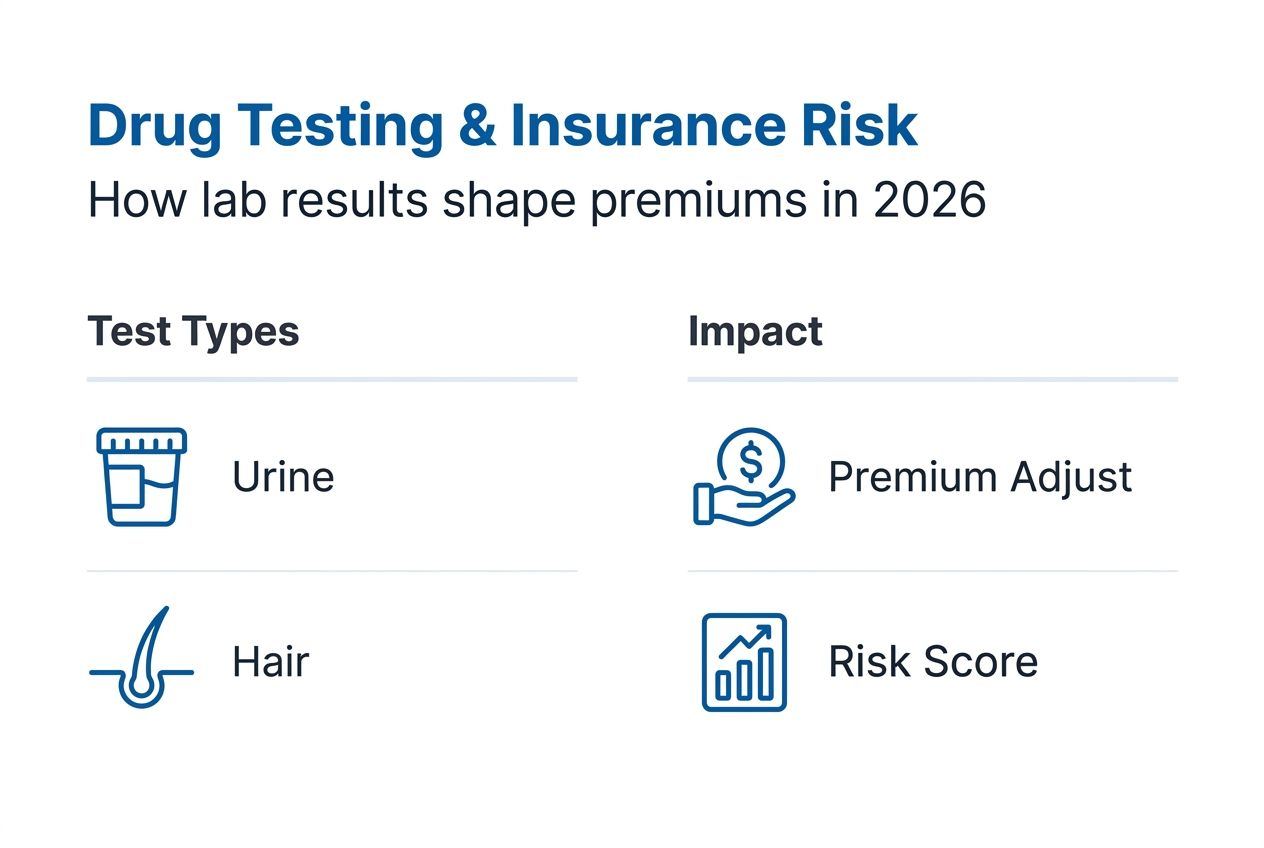
Positive drug test results typically increase premiums 10-25% based on substance type and consumption patterns. Opioid detection carries higher risk weighting than cannabis due to overdose mortality and addiction treatment costs. Multiple substance positives compound risk scores multiplicatively rather than additively, reflecting the elevated danger of polysubstance use.
Incorporating test results enhances risk prediction model accuracy by approximately 15% compared to questionnaire data alone. Self-reported substance use understates actual consumption in 40% of cases, creating information asymmetry that skews pricing. Objective testing closes this gap by revealing undisclosed risks that would otherwise materialize as unexpected claims.
Drug testing enables more nuanced pricing versus blunt rejection policies:
- Applicants with single cannabis positives may qualify for standard rates in jurisdictions where recreational use is legal
- Prescription opioid users with valid medical documentation receive case-by-case evaluation rather than automatic decline
- Negative test results for high-risk occupations or medical histories can lower premiums below standard rates
Actuaries use biochemical data from tests to stratify applicant populations into refined risk categories. Traditional underwriting might group all applicants with similar health profiles together, but drug testing subdivides these cohorts based on substance use patterns that predict future claims costs. This granularity improves portfolio profitability while offering better rates to low-risk individuals.
Insurance firms benefit financially from lower claims payouts and improved loss ratios when drug testing accurately identifies high-risk applicants. Companies reporting systematic drug screening show 8-12% better loss ratio performance compared to peers relying solely on medical exams and questionnaires.
Common misconceptions and legal challenges in insurance drug testing
Widespread misunderstandings about drug testing’s purpose and reliability create friction between insurers, applicants, and regulators. Clearing these misconceptions while addressing legal vulnerabilities protects both parties in the underwriting relationship.
Misconception: Drug testing only denies coverage. Reality: Most insurers adjust premiums based on results rather than reject applicants outright. Modern underwriting philosophy favors risk-appropriate pricing over categorical exclusions, expanding access while maintaining portfolio stability. Only severe polysubstance abuse or refusal to test typically triggers coverage denial.
Not all drug tests deliver equal accuracy across methodologies and laboratory standards. Immunoassay screening produces false positives from cross-reactive substances, requiring key drug testing policy requirements that mandate confirmatory analysis. Budget labs lacking proper certification generate unreliable results that expose insurers to wrongful denial claims and applicant lawsuits.
Legal disputes have increased 20% since 2024 due to privacy and consent violations in drug testing programs. Common litigation triggers include:
- Testing without explicit written consent or disclosure of screening scope
- Sharing results with employers or other insurers without authorization
- Failing to provide applicants access to their own test data upon request
- Using obsolete specimens or improper chain of custody documentation
Misinterpretation can damage applicant trust when insurers apply test results without considering legitimate medical explanations. Prescription medications, dietary supplements, and certain foods produce positive results that medical review officers should evaluate before underwriting decisions. Automated systems that flag positives without human review generate preventable conflicts.
Clear procedures and comprehensive staff training mitigate legal and ethical pitfalls that undermine testing program effectiveness. Understanding drug screening misconceptions helps insurers communicate testing rationale to applicants and reduce resistance.
Ethical and privacy considerations in drug testing for insurance
Balancing thorough risk assessment with respect for applicant dignity requires deliberate ethical frameworks that exceed minimum legal compliance. Insurers who prioritize privacy protections and transparent communication build trust that facilitates cooperation and reduces disputes.
Limit drug testing scope to substances with demonstrated relevance to policy risk:
- Life insurance justifies screening for substances affecting mortality like opioids and stimulants
- Disability coverage warrants testing for drugs impairing workplace safety and cognitive function
- Health insurance may screen for substances increasing treatment costs and hospitalization risk
Testing for every possible substance regardless of actuarial relevance constitutes unnecessary intrusion that applicants rightfully resent. Focused panels that align with specific coverage types demonstrate respect for privacy while gathering essential underwriting data.
Informed consent and confidentiality are essential for legal compliance and applicant trust. Disclosure documents should explain in plain language which substances will be tested, how results affect coverage decisions, and who accesses the information. Applicants must understand they can decline testing, though refusal typically results in coverage denial or substandard rates.
Balancing comprehensive screening with minimal invasiveness reduces ethical concerns about bodily autonomy and medical privacy. Saliva testing offers less invasive collection than urine or blood draws, improving applicant comfort without sacrificing detection capability for recent use screening.
Robust data protection prevents unauthorized sharing or misuse of sensitive test results that could affect employment, social relationships, or future insurance applications. Encryption of digital records, restricted physical access to paper files, and audit trails of who views results demonstrate commitment to confidentiality.
Transparent communication about testing builds applicant cooperation and mitigates disputes when results affect coverage terms. Insurers who explain testing rationale upfront and provide opportunity to discuss positive results with medical professionals foster collaboration rather than confrontation.
Practical applications: Integrating drug testing in insurance underwriting workflows
Successful implementation requires strategic planning that balances compliance requirements, cost management, and operational efficiency. Following proven workflows minimizes errors while maximizing the risk assessment value of biochemical screening.
- Select testing methodology aligned with policy value and risk profile characteristics
- Partner with SAMHSA and ISO certified laboratories that guarantee accurate results and proper documentation
- Obtain explicit written consent through clear disclosure of testing scope and underwriting impact
- Collect specimens using trained personnel following chain of custody protocols
- Receive laboratory results with medical review officer interpretation of positive findings
- Integrate biochemical data into underwriting risk models alongside traditional health factors
- Communicate coverage decisions with explanation of how test results influenced terms
Partner with certified labs for valid, defensible results that withstand regulatory scrutiny and legal challenges. Laboratory accreditation provides documented proof of quality control, proficiency testing, and personnel qualifications that courts accept as reliable evidence.
Use urine testing for baseline screening of standard applicant populations due to optimal cost-effectiveness and appropriate detection window for recent use. The $30-$50 per test expense scales economically across high-volume underwriting operations while identifying active substance users who pose elevated claims risk.
Reserve hair testing for high-value policies needing extended drug use history that justifies the $100-$200 premium cost. Policies exceeding $500,000 in coverage warrant comprehensive 90-day detection that reveals chronic consumption patterns missed by shorter-window methods.
| Workflow Stage | Urine Test Timeline | Hair Test Timeline |
|---|---|---|
| Consent and collection | Same day | Same day |
| Lab analysis | 24-48 hours | 3-5 business days |
| Medical review | 1-2 business days | 1-2 business days |
| Underwriting integration | Same day as receipt | Same day as receipt |
| Total turnaround | 3-4 business days | 5-8 business days |
Incorporate at-home kits for pre-screening to accelerate underwriting with laboratory confirmation maintaining accuracy standards. Rapid saliva tests identify obviously high-risk applicants before investing in full medical exams, while certified lab verification ensures regulatory compliance for final decisions.
Pro Tip: Apply a clear sequence of selecting method, obtaining consent, testing via certified lab, and integrating results to streamline processes and reduce errors that create legal exposure or underwriting inaccuracies.
Leverage resources on drug screening workflow best practices and compare drug test panel options to match testing scope with policy requirements. Understanding how to conduct compliant drug tests prevents procedural mistakes that invalidate results.
Summary and forward look: The future of drug testing in insurance
Drug testing has become indispensable for objective risk profiling that enables fair premium pricing while protecting portfolio profitability. Biochemical screening fills information gaps that self-reported health data cannot address, improving underwriting accuracy by quantifying substance use risks that correlate with claims costs.
Emerging biomarkers and digital integration promise faster, more comprehensive detection capabilities:
- Oral fluid testing technology advances enable same-day results with laboratory accuracy
- Expanded panels detect synthetic drugs and novel psychoactive substances missed by traditional screens
- Blockchain-based chain of custody systems prevent specimen tampering and streamline documentation
- Artificial intelligence integration spots consumption patterns predictive of future escalation or cessation
Technology advances improve applicant convenience through less invasive collection methods and faster turnaround times. Mobile specimen collection and telehealth medical review reduce the burden on applicants while maintaining testing integrity and regulatory compliance.
Regulatory and ethical frameworks continue evolving to safeguard fairness and privacy as testing capabilities expand. State legislatures are introducing bills requiring insurers to disclose testing methodologies and provide applicants opportunity to contest results before final underwriting decisions. Privacy advocates push for stricter limits on data retention and third-party sharing.
Insurers should stay informed about technological innovations and regulatory changes to leverage testing advances responsibly. Balancing comprehensive risk assessment with respect for applicant rights positions companies as trusted partners rather than adversarial gatekeepers. Organizations that invest in cutting-edge testing while maintaining ethical standards will gain competitive advantages through superior risk selection and enhanced applicant satisfaction.
Explore comprehensive drug testing solutions for insurers
Countrywide Testing offers SAMHSA-certified laboratory services designed specifically for insurance underwriting requirements. Our comprehensive testing menu includes cost-effective urine panels for baseline screening, extended-window hair analysis for high-value policies, and convenient at-home collection kits with professional lab verification.
Partner with a trusted provider to enhance underwriting accuracy, ensure regulatory compliance, and improve turnaround times that accelerate policy issuance. Our certified labs deliver reliable results with proper documentation that withstands legal scrutiny and regulatory audits.
Explore our resources on types of drug tests to select the right methodology for your underwriting scenarios. Review our laboratory drug testing services or discover at-home drug tests available for preliminary screening applications.
Frequently asked questions
What substances are typically screened in insurance drug tests?
Most insurance panels test for opioids, cocaine, amphetamines, cannabis, and benzodiazepines. These substances represent the highest-risk categories affecting mortality, morbidity, and claims costs. Extended panels may add barbiturates, methadone, and synthetic cannabinoids based on policy value and applicant risk profile.
Can positive drug test results lead to coverage denial or just premium increases?
Most insurers use positive results to adjust premiums rather than deny coverage outright. Single-substance positives typically increase rates 10-25% based on risk correlation data. Only severe polysubstance abuse, refusal to test, or substances indicating immediate impairment usually trigger coverage denial in modern risk-based underwriting.
How do insurers ensure drug testing compliance with privacy laws?
Insurers obtain explicit written consent detailing testing scope before specimen collection. Test results are stored in secured systems with restricted access and shared only with authorized underwriting personnel. SAMHSA-certified laboratories follow strict chain of custody protocols that document every handling step, preventing unauthorized access or result tampering.
What emerging technologies might change drug testing in insurance underwriting?
New biomarkers enable detection of synthetic drugs and novel psychoactive substances that traditional panels miss. Digital specimen tracking using blockchain prevents chain of custody violations. Rapid high-throughput testing delivers lab-quality results in hours rather than days, accelerating underwriting without sacrificing accuracy or regulatory compliance.