
Top alcohol testing tips for drivers: stay safe & compliant
TL;DR:
- Alcohol testing helps prevent impaired driving and enhances road safety.
- Common roadside tests include breathalyzers and saliva tests, with blood tests used in serious cases.
- Proper preparation and understanding legal limits are crucial for drivers facing alcohol testing.
Roadside alcohol testing has become one of the most consequential moments a driver can face. A single stop can determine whether you keep your license, your job, or your freedom. Yet most drivers have no idea what to expect when an officer asks them to step out and take a test. The rules are stricter than many people realize, and small mistakes, like using the wrong mouthwash before a drive, can create big problems. This guide walks you through everything you need to know about alcohol testing, from the types of tests you may face to the legal limits that govern your compliance.
Table of Contents
- Understanding alcohol testing: What every driver needs to know
- Types of alcohol tests drivers may encounter
- What to expect: Step-by-step alcohol testing process
- Dos and don’ts: How to prepare for an alcohol test
- Staying compliant: Legal limits and regulations for drivers
- Expert perspective: The hidden pitfalls of alcohol testing for drivers
- Stay prepared with reliable alcohol testing solutions
- Frequently asked questions
Key Takeaways
| Point | Details |
|---|---|
| Know your testing options | Understand the different alcohol tests drivers may encounter and their procedures. |
| Prepare effectively | Simple pre-test habits can prevent inaccurate results and costly mistakes. |
| Stay compliant with laws | Keep updated on legal BAC limits and changes to testing regulations in your area. |
| Keep calm, stay informed | Knowing what to expect in a test situation helps you stay safe and protect your rights. |
Understanding alcohol testing: What every driver needs to know
Alcohol testing is a structured process used by law enforcement, employers, and safety agencies to measure whether a person has consumed alcohol above a legally or professionally defined threshold. The goal is straightforward: protect drivers, passengers, and the public from the dangers of impaired driving. But the stakes go well beyond a fine.
Drivers encounter alcohol testing in several contexts:
- Routine traffic stops where an officer suspects impairment based on driving behavior
- Post-accident investigations where testing is mandatory regardless of fault
- Workplace requirements for commercial drivers, including DOT-regulated positions
- Random testing programs in transportation, logistics, and safety-sensitive industries
The importance of alcohol testing extends beyond enforcement. It actively deters impaired driving, reduces crash rates, and protects employers from liability. According to the National Highway Traffic Safety Administration, alcohol-impaired driving accounts for roughly 30% of all traffic fatalities in the United States each year.
“Alcohol testing ensures driver and public safety by identifying impaired drivers before they cause harm.”
For commercial drivers especially, a failed test can mean immediate removal from duty, loss of a commercial license, and mandatory enrollment in a substance abuse program. Private drivers face license suspension, fines, and possible criminal charges. Non-compliance is not just a legal risk. It is a career and safety risk. Understanding why these tests exist helps you approach them with the right mindset: cooperative, calm, and informed.
Types of alcohol tests drivers may encounter
Not all alcohol tests are the same. Each method has its own procedure, accuracy level, and typical use case. Knowing the difference helps you understand what is happening during a stop and what the results actually mean.
| Test type | How it works | Speed of results | Common use |
|---|---|---|---|
| Breathalyzer | Measures alcohol in exhaled breath | Instant | Roadside enforcement |
| Saliva test | Detects alcohol in oral fluid | 5 to 10 minutes | Workplace and roadside |
| Blood test | Measures BAC directly from blood | Hours to days | Post-accident, court cases |
Breathalyzers and saliva tests are among the most common roadside alcohol screening methods because they are fast and non-invasive. Blood tests are more accurate but require a medical professional and are typically reserved for serious accidents or legal proceedings.
Here is a quick breakdown of what each test involves:
- Breathalyzer: You blow into a handheld device. Results appear within seconds. Officers use a preliminary device at the roadside and may follow up with an evidential breathalyzer at the station.
- Saliva test: A swab is placed in your mouth for a short period, then inserted into a reader. These are increasingly used in workplace settings and at some checkpoints.
- Blood test: A medical professional draws blood, which is then sent to a lab. This is the gold standard for accuracy but takes the longest to process.
You can review the full range of types of alcohol tests to understand how each applies in different enforcement and workplace contexts. It is also worth knowing that alcohol in drug testing panels is handled differently than other substances, since alcohol metabolizes quickly and requires specific detection windows.
Pro Tip: If you are ever unsure which test is being administered, it is completely appropriate to ask the officer or administrator to explain the process before you begin.
What to expect: Step-by-step alcohol testing process
Knowing the sequence of events during an alcohol test removes the panic and helps you respond appropriately. Here is what typically happens from the moment you are stopped:
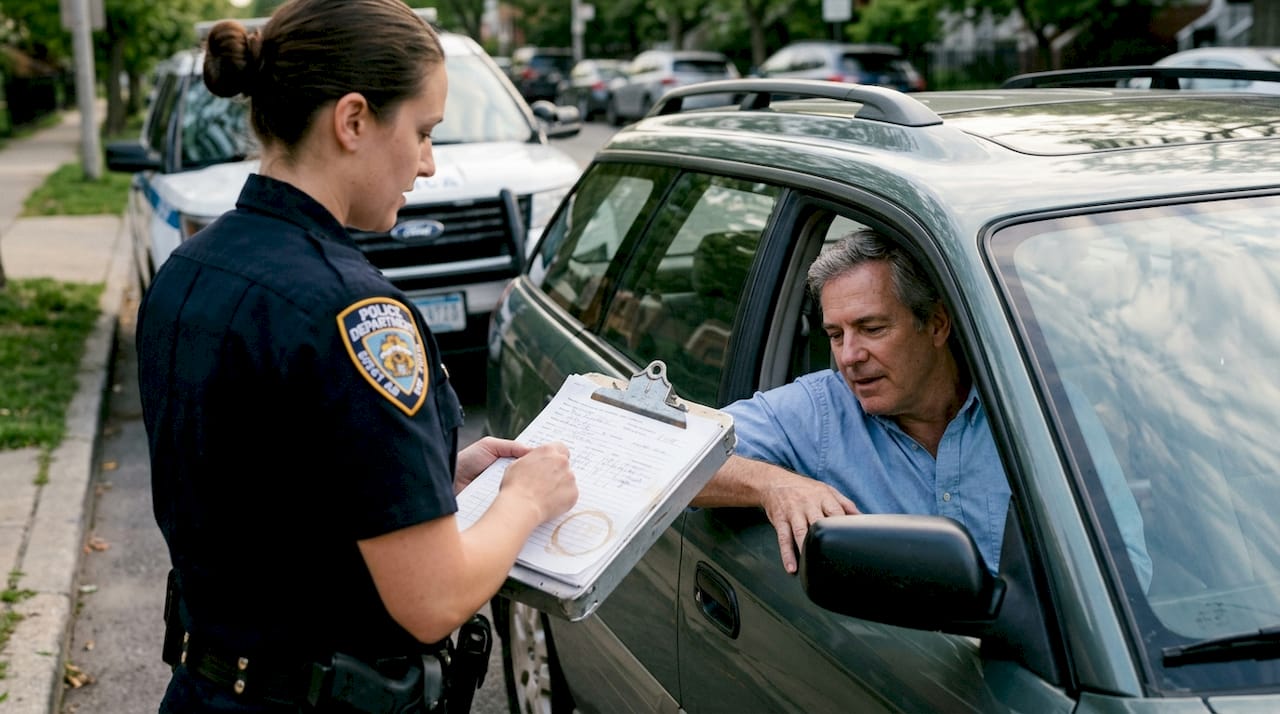
- Initial stop: An officer signals you to pull over. Stay calm, pull over safely, and keep your hands visible.
- Officer observation: The officer looks for signs of impairment, such as slurred speech, the smell of alcohol, or bloodshot eyes.
- Preliminary breath test: If the officer suspects impairment, they will ask you to blow into a portable breathalyzer. This is a screening tool, not always the final result.
- Field sobriety tests: These may accompany the breathalyzer. They assess coordination and cognitive function.
- Evidential test: If the preliminary test shows a positive result, you may be taken to a station for a more precise breathalyzer or a blood draw.
- Documentation: Results are recorded and may be used in legal proceedings. You have the right to request information about the device used.
- Outcome: Based on results, you may be released, cited, or arrested.
Alcohol screening compliance guidelines confirm that following correct procedures during testing protects both the driver’s rights and the integrity of the results. If you believe the device was not properly calibrated, you can request documentation of its last calibration date.
Pro Tip: Always ask for the breathalyzer’s calibration records if you dispute a result. Devices that are not regularly maintained can produce inaccurate readings, and this information can be critical in a legal challenge.
Dos and don’ts: How to prepare for an alcohol test
Proper preparation can significantly impact the accuracy of alcohol testing results, and some everyday habits can accidentally trigger a false positive or complicate your results.
Before a test, avoid:
- Mouthwash, breath sprays, or oral gels that contain alcohol
- Certain medications, including some cough syrups and cold remedies
- Fermented foods or drinks that may temporarily elevate breath alcohol readings
- Eating or drinking anything for at least 15 minutes before a breathalyzer, as residual mouth alcohol can skew results
During the test, do:
- Follow the officer’s or administrator’s instructions precisely
- Breathe normally and blow steadily into the device when asked
- Stay calm and avoid arguing, even if you believe the result is wrong
- Ask for clarification if you do not understand a step
If you believe the results are inaccurate:
- Request a second test using a different method, such as a blood draw
- Document everything you remember about the stop, including time, location, and device details
- Contact a legal professional before making any statements
Reviewing established alcohol testing protocols can help you understand what administrators and officers are required to do, which in turn helps you spot any procedural errors.
Pro Tip: Keep a small notebook in your glove compartment. If you are ever tested, jot down the time, location, officer’s name, and any device details immediately after the stop. This information is invaluable if you need to dispute results later.
Staying compliant: Legal limits and regulations for drivers
Understanding the legal thresholds is non-negotiable for any driver. BAC, or blood alcohol concentration, is the standard measure used to determine impairment.
| Driver category | Legal BAC limit |
|---|---|
| Private drivers (age 21+) | 0.08% |
| Commercial drivers (CDL) | 0.04% |
| Drivers under 21 | 0.00% to 0.02% (zero tolerance) |
Legal BAC limits vary by state and can change annually, which means staying current is part of your responsibility as a driver. Some states have already introduced stricter limits for private drivers, with proposals to lower the standard to 0.05% gaining traction in several legislatures.
Key compliance actions every driver should take:
- Check your state’s current BAC limits at least once a year
- Understand that commercial driving standards are far stricter than private ones
- Be aware that certain medications can elevate your BAC reading even without alcohol consumption
- Review alcohol detection compliance requirements if you work in logistics or transportation
A useful benchmark: one standard drink raises BAC by approximately 0.02% to 0.03% in an average adult. But body weight, metabolism, food intake, and hydration all affect how quickly alcohol is processed. Relying on a rough drink count is not a reliable safety strategy.
Expert perspective: The hidden pitfalls of alcohol testing for drivers
Here is something most articles will not tell you: passing an alcohol test and driving safely are not the same thing. A BAC of 0.07% is technically legal in most states, but reaction times and judgment are already compromised at that level. The test measures compliance, not capability.
We also see a lot of drivers fail tests not because they were drunk, but because they were unprepared. Using an alcohol-based mouthwash 10 minutes before a stop, taking a cough syrup with ethanol, or even consuming certain energy drinks can push a borderline reading over the limit. These are not excuses that hold up in court.
The other common mistake is assuming that roadside breathalyzers are infallible. They are not. Calibration errors, improper technique, and environmental factors like paint fumes or cleaning products can affect results. Knowing your rights and asking the right questions is not obstruction. It is smart, legal self-protection.
Our honest advice: do not drink and drive, full stop. But also educate yourself so that if you are ever tested under unexpected circumstances, you are not blindsided by a process you do not understand. Preparation is not guilt. It is responsibility.
Stay prepared with reliable alcohol testing solutions
Knowledge is your first line of defense, but having access to reliable testing tools gives you a real advantage. Whether you want to verify your own BAC before getting behind the wheel or your employer needs a compliant testing program, having the right resources matters.
At CountryWideTesting.com, we connect drivers, employers, and organizations with certified testing products backed by SAMHSA, ISO, CLIA, and CAP-accredited labs. From a quick saliva drug test kit for on-the-go screening to full lab testing services for workplace compliance, we make it easy to stay ahead of requirements. Visit us at CountryWideTesting.com to find the right solution for your needs.
Frequently asked questions
What’s the legal BAC limit for drivers in most states?
Most states set the legal BAC limit at 0.08% for private drivers, but commercial drivers often face a stricter 0.04% standard. Zero-tolerance laws apply to drivers under 21.
What should I avoid before an alcohol test?
Avoid mouthwash, breath sprays, and any products containing alcohol, since these can temporarily elevate your reading. Preparation impacts test accuracy and your ability to dispute results if needed.
Can I refuse an alcohol test if I’m pulled over?
Refusing a test almost always triggers automatic penalties like license suspension under implied consent laws, regardless of your actual sobriety. Refusal carries direct legal penalties in every U.S. state.
How accurate are roadside breathalyzers?
Modern breathalyzers are highly accurate when properly maintained, but device accuracy depends on regular calibration and correct use. Environmental factors and operator error can still affect results.