
Why workplace drug testing matters for safety in 2026
Many employers question whether workplace drug testing remains relevant in 2026, especially with evolving attitudes toward substance use and state cannabis legalization. However, drug testing continues to serve as a critical tool for maintaining workplace safety, meeting federal compliance mandates, and protecting both employees and organizations from preventable accidents. This article explores why drug testing remains essential for U.S. employers and HR managers, covering safety benefits, testing methodologies, legal complexities, and best practices for implementing effective programs that balance compliance with employee rights.
Table of Contents
- How Workplace Drug Testing Enhances Employee Safety
- Understanding Common Drug Testing Methods And Their Uses
- Navigating Legal Complexities, False Positives, And State Law Conflicts
- Best Practices To Maximize Drug Testing Effectiveness And Compliance
- Explore Countrywide Testing Solutions For Your Workplace
- Frequently Asked Questions About Workplace Drug Testing
Key takeaways
| Point | Details |
|---|---|
| Safety deterrence | Drug testing reduces substance-related accidents by identifying impaired workers before incidents occur. |
| Federal compliance | DOT and other agencies mandate testing for transportation and safety-sensitive positions. |
| Testing methods vary | Urine, oral fluid, hair, and blood tests offer different detection windows for diverse workplace needs. |
| MRO oversight essential | Medical Review Officers verify results and prevent wrongful terminations from false positives. |
| Holistic approach works | Combining testing with Employee Assistance Programs creates comprehensive workplace safety. |
How workplace drug testing enhances employee safety
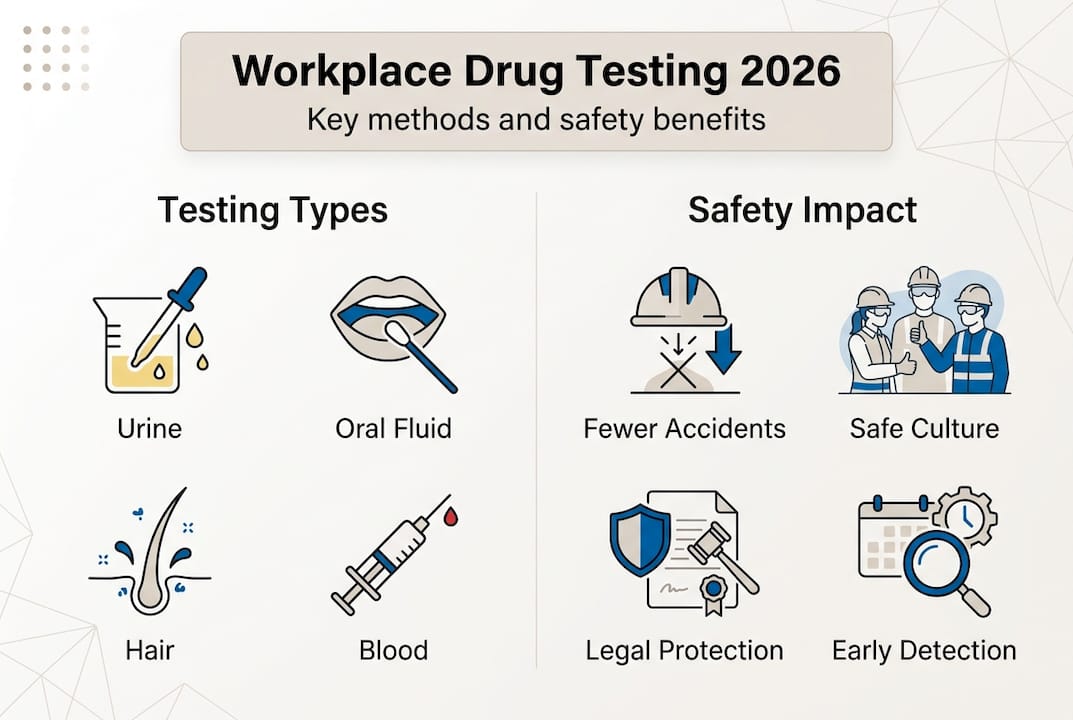
Workplace drug testing enhances employee safety by deterring substance use and reducing accidents in safety-sensitive roles. Federal regulations require testing for transportation workers, federal contractors, and other high-risk positions where impairment could cause catastrophic consequences. The deterrent effect alone makes employees think twice before using substances that could compromise their judgment, reaction time, or physical coordination.
Mandatory testing programs serve multiple safety functions beyond simple detection. Pre-employment screening establishes baseline expectations and filters out candidates with active substance issues. Random drug testing creates ongoing accountability because employees never know when they might be selected, maintaining continuous deterrence. Post-accident testing helps determine whether substances contributed to workplace incidents, providing crucial data for safety improvements and liability protection.
The safety benefits extend beyond immediate accident prevention. Testing programs signal organizational commitment to workplace safety, creating cultural expectations around responsible behavior. Employees in safety-sensitive positions understand their actions affect coworkers, customers, and the public. This awareness fosters greater personal accountability and peer monitoring.
Testing reduces accident rates by identifying impaired employees before incidents occur, though deterrence matters more than direct injury reduction in most workplace settings.
While drug testing cannot prevent all workplace injuries, the combination of deterrence, detection, and compliance creates measurable safety improvements. Organizations that implement comprehensive testing programs alongside robust safety training see the strongest results. The key lies in treating testing as one component of a broader safety culture rather than a standalone solution.
Key safety benefits include:
- Deterring substance use through accountability and consequences
- Identifying impaired workers before they cause accidents
- Meeting federal compliance requirements for regulated industries
- Reducing liability exposure from preventable incidents
- Supporting insurance requirements and premium calculations
Understanding common drug testing methods and their uses
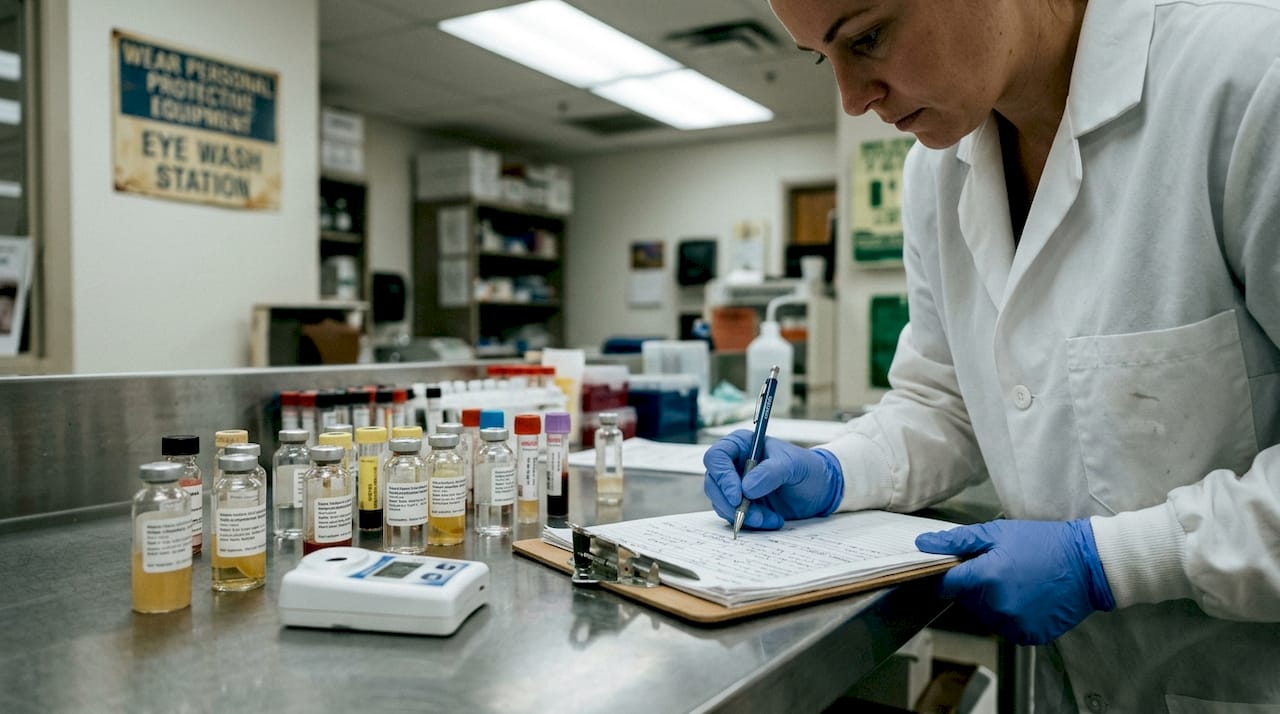
Common testing methodologies include urine, oral fluid, hair, saliva, and blood tests, each offering distinct detection windows and practical advantages. Urine testing remains the gold standard for workplace screening because it detects substances for 1 to 3 days after use and meets SAMHSA and DOT compliance requirements. Most employers choose urine testing for its balance of detection capability, cost effectiveness, and regulatory acceptance.
Oral fluid testing has gained popularity for detecting recent use within minutes to 48 hours. This method proves less invasive than urine collection and harder to adulterate, making it ideal for reasonable suspicion and post-accident scenarios. The HHS authorized oral fluid testing for federal programs, expanding options for employers seeking alternatives to traditional urine screens.
Hair testing tracks substance use up to 90 days, providing the longest detection window available. Organizations use hair testing for positions requiring extensive background verification or when investigating patterns of chronic use. However, hair testing costs more than other methods and faces challenges with detection timing, as substances take days to appear in hair follicles after use.
Blood testing offers the most accurate snapshot of current impairment but remains impractical for routine workplace screening. Medical facilities primarily use blood tests for emergency situations, legal proceedings, or when precise impairment documentation matters. The invasiveness, cost, and short detection window limit blood testing to specialized circumstances.
| Testing Method | Detection Window | Best Use Case | Compliance Status | | — | — | — | | Urine | 1-3 days | Standard screening | SAMHSA/DOT approved | | Oral fluid | Minutes-48 hours | Reasonable suspicion | HHS authorized | | Hair | Up to 90 days | Long-term tracking | Limited compliance use | | Blood | Hours | Emergency/legal | Specialized only |
Choosing the right testing method depends on your specific needs:
- Regulatory compliance requirements for your industry
- Detection window matching your safety concerns
- Budget constraints and testing frequency
- Invasiveness considerations for employee relations
- Turnaround time needs for results
Pro Tip: Combine testing methods strategically. Use urine for routine screening to maintain compliance, then deploy oral fluid for reasonable suspicion situations when you need to detect very recent use.
Understanding the drug testing process and MRO oversight helps employers select appropriate methods. Consider essentials of workplace drug testing when building your program to ensure you balance detection needs with practical implementation.
Navigating legal complexities, false positives, and state law conflicts
Edge cases include false positives from medications, sample adulteration, and state marijuana laws conflicting with federal testing. Certain antidepressants trigger false positives for amphetamines, while poppy seed consumption can show as opiate use. These scenarios create serious risks for employers who might terminate employees based on inaccurate results without proper verification.
Medical Review Officers provide essential protection against wrongful actions stemming from false positives. MROs review positive results, interview employees about legitimate medication use, and verify prescriptions before confirming a positive test. This professional oversight prevents devastating mistakes that could lead to wrongful termination lawsuits and damaged employee relationships. Understanding the role of medical review officers becomes critical for risk management.
Sample tampering presents another challenge requiring vigilant oversight. Employees attempt adulteration through dilution, substitution, or adding chemicals to mask substance use. Collection procedures must include temperature checks, visual inspection, and sometimes observed collection to prevent tampering. Laboratory testing can detect common adulterants, but sophisticated attempts require multiple verification steps.
State cannabis legalization creates the most complex legal landscape for employers in 2026. While marijuana remains federally illegal, numerous states permit recreational and medical use. This conflict leaves employers navigating contradictory requirements, especially when federal testing mandates apply. DOT-regulated employers must maintain zero tolerance regardless of state laws, but non-regulated employers face difficult decisions about accommodation and discipline.
Common false positive triggers:
- Ibuprofen and naproxen showing as marijuana metabolites
- Antidepressants triggering amphetamine results
- Poppy seeds causing opiate positives
- Cold medications containing pseudoephedrine
- Prescription medications with controlled substances
Pro Tip: Always use certified laboratories with MRO services rather than relying solely on instant tests. The additional cost provides crucial legal protection and prevents wrongful terminations that could cost far more in litigation.
Employers must balance compliance with evolving legal standards. Review drug testing laws overview regularly and consider marijuana drug testing challenges when updating policies. Document clear procedures for handling positive results, accommodation requests, and state law conflicts to minimize legal exposure.
Best practices to maximize drug testing effectiveness and compliance
Prioritize SAMHSA/DOT-compliant programs with MRO verification to mitigate legal risks from false positives and state cannabis variances. Professional oversight ensures your testing program meets regulatory standards while protecting employee rights. Certified laboratories following federal guidelines provide defensible results that withstand legal scrutiny.
Testing matters for compliance in safety-sensitive industries, with DOT-mandated random and post-accident testing reducing liability. However, empirical evidence shows deterrence provides more value than direct injury reduction in most workplace settings. Tailor drug panels to specific risks your industry faces, including emerging threats like fentanyl that pose severe safety hazards.
Building an effective testing program requires strategic planning:
- Establish clear written policies detailing testing circumstances, procedures, and consequences
- Select SAMHSA-certified laboratories with professional MRO services
- Train supervisors on reasonable suspicion indicators and documentation requirements
- Implement random selection processes using truly random number generation
- Integrate Employee Assistance Programs to support struggling employees
- Review and update policies annually to reflect legal and technological changes
Customize your drug testing panels based on industry-specific risks and emerging substance trends. Standard five-panel tests cover common drugs, but expanded panels detect synthetic opioids, designer drugs, and prescription medication abuse. Consider your workforce demographics, local substance trends, and incident history when selecting panels.
| Program Element | Standard Approach | Enhanced Approach |
|---|---|---|
| Testing panel | 5-panel DOT | 10-12 panel with fentanyl |
| MRO service | Basic verification | Full consultation support |
| EAP integration | Separate program | Coordinated intervention |
| Policy updates | As needed | Annual review cycle |
Employee Assistance Programs complement testing by providing confidential counseling, treatment referrals, and support services. Employees struggling with substance issues need pathways to recovery, not just punitive consequences. Organizations that combine testing with robust EAP services see better long-term outcomes, including reduced recidivism and improved employee retention.
Pro Tip: Implement testing as part of a comprehensive safety culture rather than a punitive measure. Communicate the safety rationale clearly, offer support resources, and focus on prevention alongside detection.
Understand federal drug testing compliance requirements for your industry. Evaluate drug testing impact on workplace accidents to justify program investments. Develop clear post-accident drug testing protocols that comply with OSHA guidance while protecting your organization.
Explore Countrywide Testing solutions for your workplace
Implementing the testing strategies discussed requires reliable partners who understand compliance and convenience. Countrywide Testing offers comprehensive solutions designed specifically for employers and HR managers seeking to enhance workplace safety while meeting regulatory requirements.
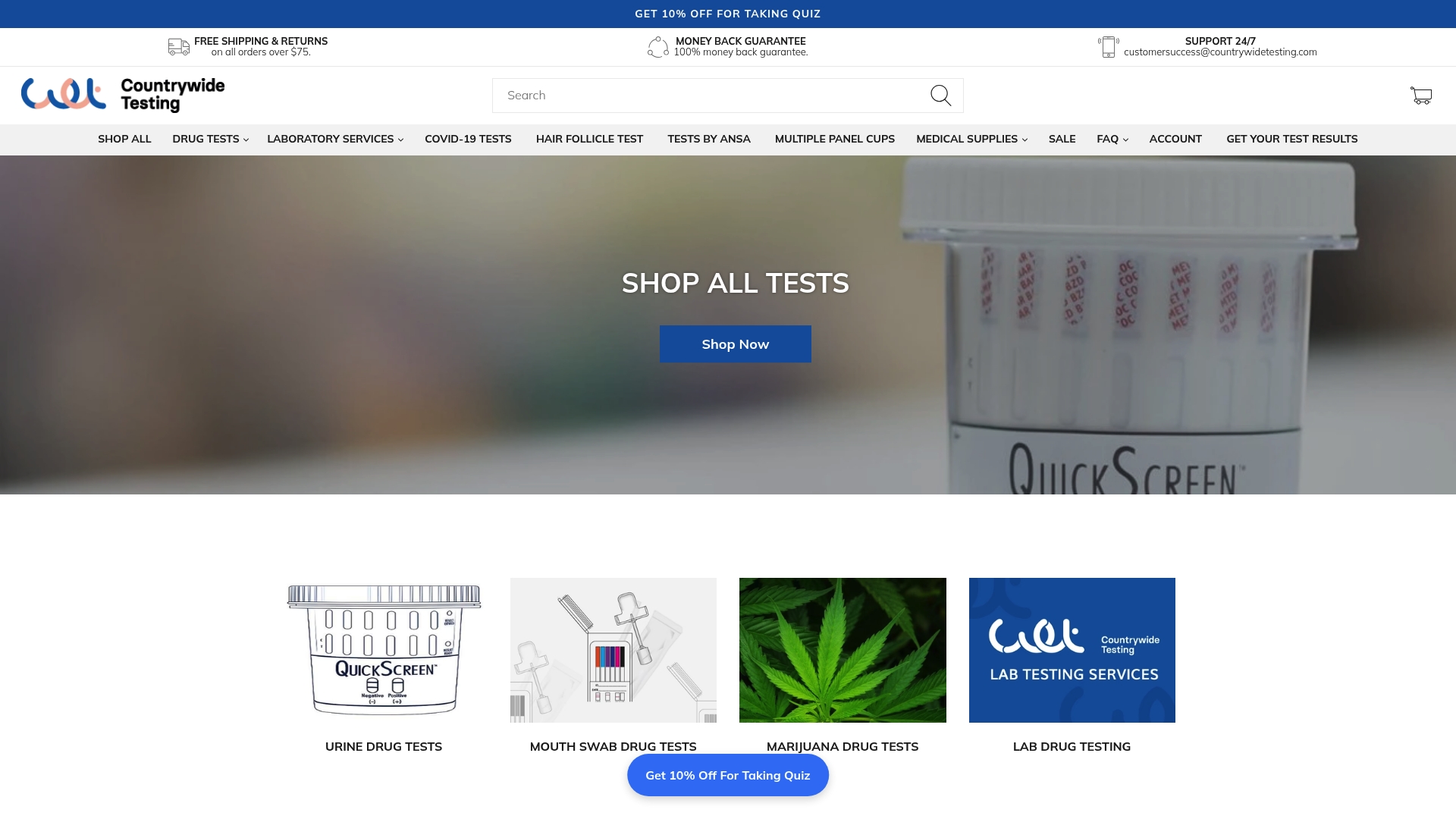
Our lab testing services provide SAMHSA-certified analysis with professional MRO review, ensuring accurate results you can defend legally. We partner with licensed laboratories meeting ISO, CLIA, and CAP standards across the country, giving you nationwide coverage regardless of where your employees work. For immediate screening needs, our 12 panel multiple drug at home dip card test delivers comprehensive detection capability with easy-to-read results. Explore our full range of testing solutions at Countrywide Testing to find the right fit for your organization’s safety program.
Frequently asked questions about workplace drug testing
How do Medical Review Officers protect against false positive results?
MROs serve as licensed physicians who review positive test results, interview employees about legitimate medication use, and verify prescriptions before confirming positives. This verification process prevents wrongful terminations from false positives caused by legal medications or dietary factors. Understanding the medical review officer role helps employers appreciate this critical safeguard.
Can employers drug test in states with legal marijuana?
Yes, employers generally retain the right to maintain drug-free workplace policies even in states with recreational cannabis legalization. Federal contractors and DOT-regulated employers must enforce zero tolerance regardless of state laws. Non-regulated employers should review drug testing legal requirements for their specific state, as some jurisdictions limit testing or require accommodation considerations.
What industries require mandatory drug testing programs?
Transportation industries regulated by DOT, federal contractors, and certain safety-sensitive positions face mandatory testing requirements. The Department of Transportation requires random, pre-employment, post-accident, reasonable suspicion, and return-to-duty testing for covered employees. Nuclear power, aviation, and pipeline industries also face specific federal testing mandates.
How often should employers conduct random drug testing?
DOT regulations require minimum annual random testing rates of 25% for drugs and 10% for alcohol among covered employees. Non-regulated employers can set their own frequencies based on safety needs and budget constraints. Higher random testing rates increase deterrence but must balance cost considerations and employee relations.
Do Employee Assistance Programs replace the need for drug testing?
No, EAPs complement testing programs but cannot replace them. Testing provides detection and deterrence for safety-critical positions, while EAPs offer confidential support for employees struggling with substance issues. The most effective approach combines both elements, using testing to maintain safety standards while providing pathways to recovery through EAP services.