
Essential drug testing checklist for individuals in 2026
Facing a drug test can feel overwhelming, especially when you’re unsure what steps to take or which products to trust. Many individuals struggle with confusing requirements, tight timelines, and anxiety about compliance. This comprehensive checklist simplifies the entire process by breaking down exactly what you need to know, do, and prepare before your test date. Whether you’re preparing for employment screening, legal requirements, or personal verification, you’ll find practical guidance, product recommendations, and expert tips to navigate your drug testing experience with confidence and peace of mind.
Table of Contents
- How To Evaluate Your Drug Testing Needs
- Checklist Of Essentials Before Your Drug Test
- Top Drug Testing Products For Individuals In 2026
- Comparing Drug Test Methods And Making The Right Choice
- Get Reliable Drug Testing Solutions With Countrywide Testing
- Frequently Asked Questions
Key takeaways
| Point | Details |
|---|---|
| Preparation reduces anxiety | Following a structured checklist eliminates guesswork and helps you avoid common mistakes that could invalidate your test results. |
| Test type matters | Different drug tests like urine, saliva, and hair have unique detection windows and preparation requirements you must understand. |
| Product selection is critical | Choosing between at-home kits and laboratory services depends on your privacy needs, budget, and legal acceptance requirements. |
| Compliance protects your rights | Understanding legal procedures and documentation requirements ensures your test results are valid and legally defensible. |
| Timing affects outcomes | Natural detox methods and product-based preparations require different lead times to be effective before your test date. |
How to evaluate your drug testing needs
Before you start preparing for any drug test, you need to understand exactly what type of test you’re facing and why it matters. The first step is identifying the purpose behind your test. Employment screenings typically follow different protocols than legal or court-ordered tests, and personal verification tests offer more flexibility in timing and method selection. Each scenario comes with specific documentation requirements, chain of custody procedures, and acceptance standards you must meet.
The test type itself dramatically affects your preparation strategy. Understanding the specific drug test type is crucial for proper preparation, as urine tests detect recent use within days, while hair follicle tests can reveal substance use patterns stretching back months. Saliva tests offer the shortest detection window, usually 24 to 48 hours, making them ideal for recent use screening. Blood tests provide the most accurate snapshot of current impairment but are invasive and expensive. Sweat patches monitor continuous use over extended periods, typically worn for weeks.
Timing creates another critical variable in your preparation equation. If you have advance notice of your test date, you can implement natural detox strategies or use specific preparation products effectively. Last-minute notifications require different approaches focused on immediate preparation rather than long-term cleansing. Detection windows vary wildly based on substance type, frequency of use, metabolism, and body composition, so understanding these factors helps you set realistic expectations.
Your testing location choice carries significant implications for privacy, cost, and result validity:
- Laboratory testing provides the highest accuracy and legal defensibility but costs more and takes longer for results
- At-home kits offer privacy and immediate preliminary results but may require lab confirmation for official purposes
- Mobile collection services bring professional sample collection to your location for convenience
- Employer or clinic-based testing follows strict chain of custody protocols required for legal proceedings
Legal requirements and privacy concerns round out your evaluation checklist. Some jurisdictions require specific certification levels for test administrators, while others mandate observer presence during collection. You have rights regarding how your sample is collected, stored, and tested, especially in employment contexts. Federal and state regulations differ on what substances can be tested, how results are reported, and what protections exist for medical marijuana users or prescription medication.
Pro Tip: Always request written documentation of the exact test panel being used, the certified laboratory processing your sample, and the specific substances being screened. This transparency protects you from disputes about test scope and helps you prepare appropriately.
For comprehensive background on how drug tests work and detailed guidance on drug testing for individuals, review the testing fundamentals before making product or service decisions.
Checklist of essentials before your drug test
Proper preparation transforms a stressful drug test into a manageable process. Proper documentation and following instructions ensures test validity and acceptance, so start by organizing all required materials well before your test appointment. This systematic approach eliminates last-minute scrambling and reduces the risk of disqualification due to missing paperwork or procedural errors.
-
Gather all identification documents and required paperwork at least 48 hours before your test date, including government-issued photo ID, social security card or number, test authorization forms from your employer or court, prescription documentation for any medications you’re currently taking, and previous test results if this is a follow-up screening.
-
Review and follow all pre-test restrictions carefully, as many testing protocols require specific preparation. Some tests mandate fasting for certain hours before collection, while others prohibit specific foods, beverages, or activities that could interfere with results. Avoid excessive water consumption immediately before testing, as diluted samples often trigger automatic retests or suspicion of tampering.
-
Arrange reliable transportation to your testing location, especially if the facility is unfamiliar or located in a difficult-to-access area. Plan to arrive 15 minutes early to complete any additional paperwork and allow time for parking or public transit delays. Late arrivals may result in missed appointments and rescheduling fees.
-
Understand the exact sample collection procedure you’ll undergo, including whether observation will be required, what clothing restrictions apply, and how much sample volume you need to provide. Urine tests typically require 45 milliliters minimum, so ensure you’re adequately hydrated but not over-hydrated. Hair tests need approximately 100 strands cut close to the scalp, while saliva tests require you to avoid eating, drinking, or smoking for 10 minutes prior.
-
Prepare for chain of custody requirements by understanding that your sample will be labeled, sealed, and documented in your presence. You’ll typically initial or sign multiple forms confirming the sample is yours and was collected properly. Never leave the testing area until you’ve verified all documentation is complete and accurate, as errors at this stage can invalidate your entire test.
-
Bring a list of all medications, supplements, and over-the-counter products you’ve consumed in the past 30 days, including dosages and prescribing physicians. Many common medications trigger false positives for illicit substances, and having documentation ready speeds up the confirmation process if your initial screen shows unexpected results.
Pro Tip: Take photos of all your documentation, prescriptions, and authorization forms before your test appointment. Store these digital copies in a secure cloud location so you can access them instantly if there are any disputes about your test results or compliance with procedures.
For detailed preparation strategies, review the comprehensive guide on prep before drug test to ensure you haven’t missed any critical steps in your checklist.
Top drug testing products for individuals in 2026
Selecting the right drug testing product depends on balancing convenience, accuracy, privacy, and legal acceptance. At-home test kits provide convenience and privacy for early screening, making them ideal for personal verification before official testing or for individuals who want immediate preliminary results. These kits typically screen for multiple substances simultaneously, with panels ranging from 5 to 12 drugs including marijuana, cocaine, opiates, amphetamines, and benzodiazepines.
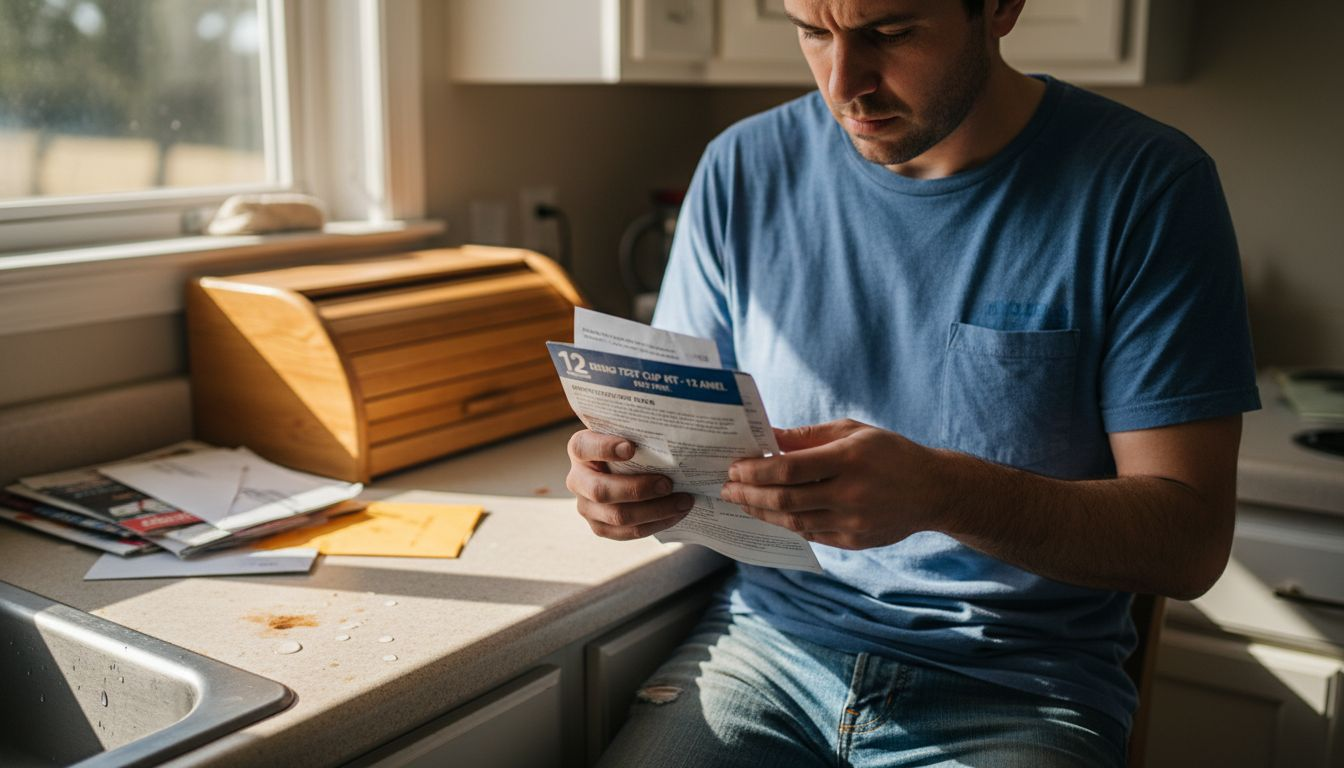
The most popular at-home option is the 12 panel at-home cup test, which delivers results in minutes through easy-to-read test strips. You simply collect a urine sample in the integrated cup, wait for the specified reaction time, and interpret the color-coded results. These tests work well for pre-screening before job applications, monitoring personal compliance, or verifying detox progress. However, they’re not typically accepted for legal or official employment purposes without laboratory confirmation.
Laboratory screening remains the gold standard for reliable drug testing, offering unmatched accuracy through sophisticated equipment and certified technicians. Professional lab testing services use gas chromatography-mass spectrometry confirmation for positive results, virtually eliminating false positives. These services handle chain of custody documentation, provide legally defensible results, and offer various turnaround times from same-day rush processing to standard 24 to 48 hour reporting.
Specialized testing products address specific needs beyond standard drug panels. The atHome steroid abuse urine test kit targets performance-enhancing substances often missed by conventional screens, important for athletes or individuals in competitive environments. For comprehensive understanding of available options, explore the full range of types of drug tests to match your specific situation.
| Product Type | Key Advantages | Main Limitations | Best For |
|---|---|---|---|
| At-home cup tests | Immediate results, complete privacy, low cost, easy to use | Not legally binding, potential user error, no confirmation testing | Personal screening, pre-employment preparation, monitoring recovery |
| Laboratory urine testing | Legally accepted, highly accurate, confirmation available, professional collection | Higher cost, 24-48 hour wait, requires appointment, less privacy | Employment screening, legal requirements, official documentation |
| Hair follicle testing | 90-day detection window, difficult to cheat, detects patterns | Expensive, slower results, can’t detect very recent use | Legal cases, executive screening, long-term monitoring |
| Saliva tests | Non-invasive, hard to adulterate, detects recent use | Short detection window, limited substance panels | Roadside testing, recent use verification, convenience screening |
When choosing products, consider these critical factors:
- Detection panel breadth: Ensure the test covers all substances relevant to your situation
- Sensitivity levels: Higher sensitivity tests detect lower concentrations but may flag legitimate medication use
- Result turnaround: Balance speed needs against accuracy requirements
- Cost versus value: Cheaper tests may require confirmation anyway, negating initial savings
- Privacy requirements: At-home tests offer anonymity, while lab tests create permanent records
Budget-conscious individuals often start with at-home screening to verify their status before investing in more expensive laboratory confirmation. This two-step approach saves money if the preliminary test shows you’ll pass, while still allowing time to address positive results before official testing. Just remember that at-home tests serve as indicators, not definitive proof, and always confirm critical results through certified laboratory analysis.
Comparing drug test methods and making the right choice
Each drug testing method brings distinct characteristics that make it more or less suitable for specific situations. Different drug test samples vary in detection windows and invasiveness, creating important trade-offs between convenience, accuracy, and the timeframe of substance use they can identify. Understanding these differences helps you anticipate what your test will reveal and prepare accordingly.
Urine testing dominates the drug testing landscape because it strikes an effective balance between cost, accuracy, and detection capability. Most substances remain detectable in urine for 2 to 4 days after use, though marijuana can persist for weeks in frequent users due to fat-soluble metabolites. Collection is relatively non-invasive, samples are stable for transport and storage, and the testing technology is well-established and affordable. The main drawbacks include privacy concerns during observed collections and the possibility of sample adulteration or substitution.
Hair follicle testing provides the longest detection window, revealing substance use patterns up to 90 days prior to collection. This method analyzes drug metabolites that enter hair shafts through blood vessels as hair grows, creating a permanent record of use. Hair tests are nearly impossible to cheat and require only a small sample cut close to the scalp. However, they can’t detect very recent use within the past week, cost significantly more than urine tests, and may show bias based on hair color and texture. External contamination from environmental exposure remains a controversial issue.
Saliva or oral fluid testing offers the least invasive collection method and specifically targets recent use within the past 24 to 48 hours. Selecting the right drug test type improves reliability and compliance outcomes, and saliva tests excel at detecting current impairment rather than past use. Collection happens under direct observation without privacy concerns, and samples are difficult to adulterate. The short detection window limits usefulness for comprehensive screening, and some substances don’t transfer well into oral fluids.
| Test Method | Detection Window | Collection Invasiveness | Cost Range | Processing Time | Best Use Case |
|---|---|---|---|---|---|
| Urine | 2-4 days (up to 30 for marijuana) | Moderate | Low to moderate | 24-48 hours | General employment and legal screening |
| Hair | 90 days | Low | High | 3-5 days | Long-term pattern detection, executive positions |
| Saliva | 24-48 hours | Very low | Moderate | 24 hours | Recent use, roadside testing, observed collection |
| Blood | Hours to 2 days | High | Very high | 24 hours | Accident investigation, medical emergencies |
| Sweat patch | 1-2 weeks (wear period) | Low | High | Immediate upon removal | Continuous monitoring, probation compliance |
Blood testing provides the most accurate measurement of current substance concentration in your system but is rarely used outside medical or legal emergencies. The invasive venipuncture collection, high cost, and very short detection window make blood tests impractical for routine screening. They’re most valuable when determining actual impairment levels at a specific moment, such as after workplace accidents or during DUI investigations.
Sweat patches represent a unique monitoring approach where you wear an adhesive patch on your skin for one to two weeks. The patch collects perspiration continuously, capturing any drug metabolites excreted through sweat during the wear period. This method prevents cheating through abstinence timing and provides ongoing compliance verification. Patches are commonly used in probation, parole, and child custody situations where continuous monitoring justifies the higher cost and inconvenience.
Making the right choice depends on matching test characteristics to your specific needs:
- Choose urine testing for standard employment screening, pre-employment verification, and general compliance monitoring
- Select hair testing when you need to verify long-term abstinence or detect patterns of use over months
- Use saliva tests for convenience, non-invasive collection, or when recent use is the primary concern
- Request blood tests only when precise impairment levels matter more than cost or invasiveness
- Consider sweat patches for ongoing monitoring situations where continuous compliance verification is required
Pro Tip: If you’re selecting your own test type for personal verification, choose the method that matches your employer’s or agency’s requirements. Passing a saliva test means nothing if your official screening uses hair follicle analysis with its 90-day detection window.
For comprehensive details on all available options, review 6 different types of drug tests and the 7 types of drug tests overview to make informed decisions based on your unique situation.
Get reliable drug testing solutions with Countrywide Testing
Navigating drug testing requirements becomes significantly easier when you partner with trusted experts who understand compliance, accuracy, and convenience. Countrywide Testing provides comprehensive solutions for individuals who need reliable results they can trust, whether you’re preparing for employment screening, legal requirements, or personal verification.
Access certified laboratory drug testing services that meet SAMHSA, ISO, CLIA, and CAP standards, ensuring your results are legally defensible and scientifically accurate. Professional sample collection, strict chain of custody protocols, and fast turnaround times give you peace of mind during critical testing situations.
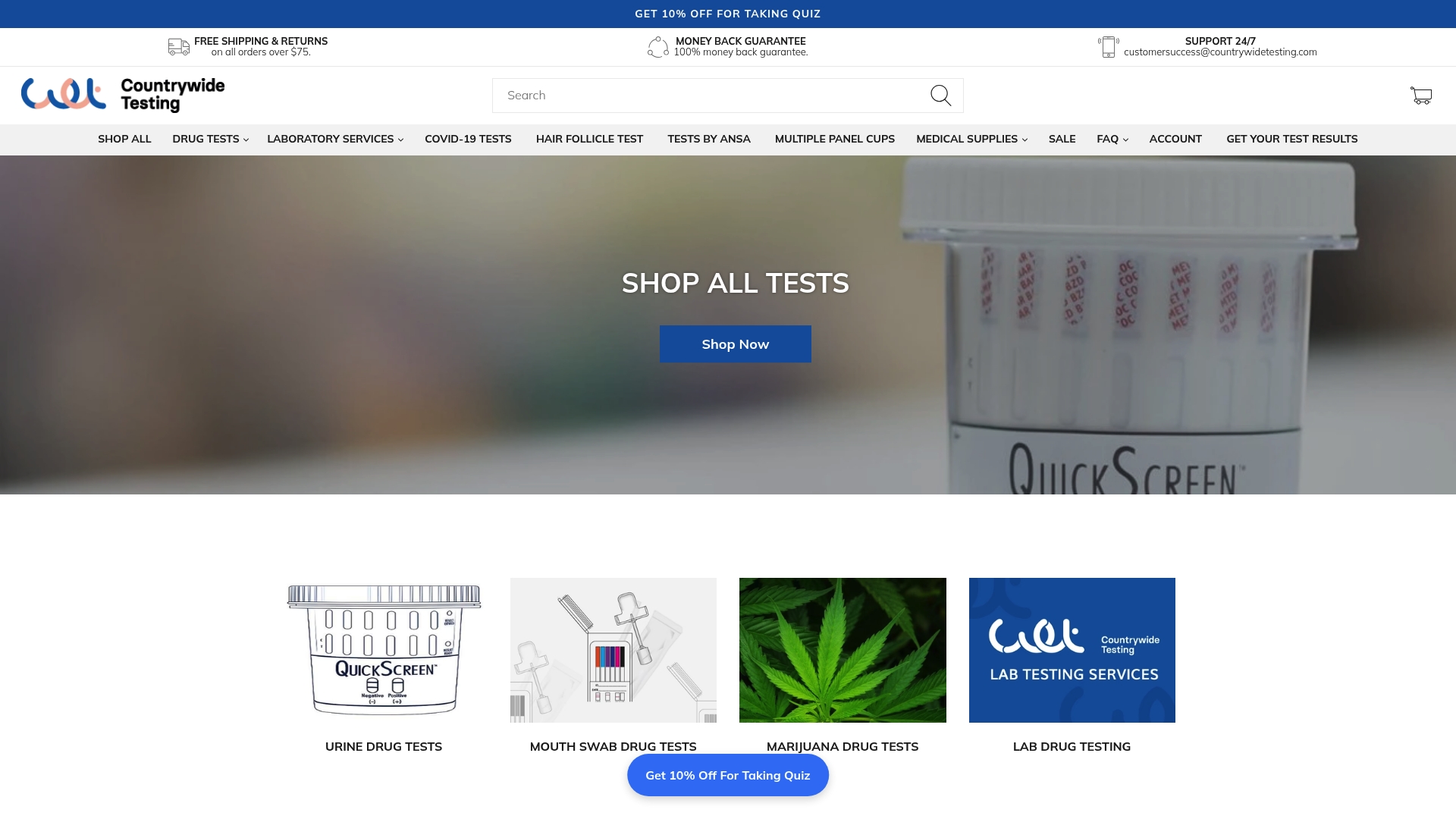
For convenient at-home screening, the 12 panel multiple drug at home cup test delivers quick preliminary results in the privacy of your home, helping you verify your status before official testing. When you need expert guidance, comprehensive product options, and reliable service, visit Countrywide Testing to explore solutions tailored to your specific drug testing needs.
Frequently asked questions
What are the most reliable ways to prepare for a drug test?
The most reliable preparation combines natural detox through hydration, exercise, and healthy eating with abstinence from all substances for as long as possible before your test date. Understand your specific test type and detection window, then plan accordingly. For comprehensive strategies, review guidance on passing a drug test naturally to implement evidence-based preparation methods.
Can at-home drug test kits replace lab testing?
At-home kits serve as excellent preliminary screening tools but generally cannot replace laboratory testing for legal or official employment purposes. They help you verify your status privately before official testing and can guide your preparation strategy. However, employers, courts, and legal proceedings typically require certified laboratory results with proper chain of custody documentation for final decisions.
What legal rights do individuals have during testing?
You have the right to understand what substances are being tested, who will receive results, and how your sample will be handled. In employment contexts, you can request to see the test authorization and understand the consequences of positive results. You can also request confirmation testing if initial results are positive and provide documentation for legitimate prescription medications that might trigger false positives.
Are detox products effective for passing tests?
Detox product effectiveness varies widely based on product type, your usage history, metabolism, and test timing. Some products help mask or dilute substances temporarily, while others claim to accelerate natural elimination. Research shows natural detox through abstinence, hydration, and time remains most reliable. For detailed analysis, explore whether drug detox kits effectiveness meets scientific standards before investing.
How early should you prepare before the test date?
Start preparing immediately upon learning about your test, ideally at least 30 days in advance for comprehensive natural detox. Minimum preparation time depends on substance type, frequency of use, and test method. Marijuana users need the longest preparation period due to fat-soluble metabolites, while most other substances clear within days to a week. If you have less than a week, focus on hydration, exercise, and understanding what your specific test will detect.
What happens if you fail a drug test?
Consequences depend entirely on the testing context. Employment tests may result in job offer withdrawal or termination, though some employers offer rehabilitation programs. Legal tests can affect probation, parole, or custody arrangements. You typically have the right to request confirmation testing of the same sample at a different certified laboratory. Always ask about the appeals process and provide documentation for any legitimate medications that might have caused false positives.