
Drug Testing for Individuals: What You Need to Know
Facing a workplace demand or a court order for a drug test can feel overwhelming when so much is at stake for your job, your family, and your future. Understanding what goes into personal drug testing empowers you to make informed choices about your options, whether the test involves urine, hair, blood, or saliva. In this guide, you will discover practical details about each method, learn what results can really tell you, and pinpoint your rights every step of the way.
Table of Contents
- Defining Drug Testing For Individuals
- Major Types Of Personal Drug Tests
- How Lab And At-Home Testing Work
- Individual Rights And Legal Implications
- Ensuring Accuracy And Avoiding Common Mistakes
Key Takeaways
| Point | Details |
|---|---|
| Understanding Drug Testing | Drug testing analyzes biological samples to detect substances, serving purposes like compliance monitoring and legal support. |
| Testing Methods | Common methods include urine, blood, hair, and saliva, each with distinct advantages and limitations in detection windows. |
| Accuracy and Protocols | Ensuring accuracy requires following strict protocols, maintaining chain of custody, and utilizing confirmatory testing methods. |
| Legal Rights | Individuals have rights regarding consent, confidentiality, and the right to contest results, emphasizing the importance of understanding legal frameworks. |
Defining Drug Testing for Individuals
Drug testing is a systematic process of analyzing biological samples to detect the presence of specific substances in an individual’s body. Understanding drug testing methods reveals a critical tool used across multiple domains including healthcare, legal, employment, and personal wellness screenings.
At its core, drug testing involves collecting and examining biological specimens such as urine, blood, hair, or saliva to identify potential drug metabolites. These tests serve multiple purposes: verifying substance use, monitoring treatment compliance, ensuring workplace safety, and supporting legal requirements. The specific detection window varies depending on the substance tested, the biological sample used, and individual metabolic factors.
There are several common types of drug tests, each with distinct characteristics and detection capabilities. Urine tests remain the most prevalent, offering a balance between affordability and relatively broad detection ranges. Blood tests provide the most accurate snapshot of current intoxication, while hair follicle tests can reveal substance use patterns extending back several months. Saliva screenings offer quick results and are less invasive, making them increasingly popular for immediate testing scenarios.
Key Considerations for Individuals:
- Detection windows differ by substance and testing method
- No single test provides a comprehensive substance use profile
- Results indicate presence, not frequency or intensity of use
- Legal and medical contexts may require specific testing protocols
Pro tip: Always request a clear explanation of the testing methodology and confirm the specific substances being screened to understand potential limitations and implications.
Major Types of Personal Drug Tests
Personal drug testing encompasses several distinct methods, each with unique capabilities and detection windows. Different testing procedures offer individuals and organizations varied approaches to screening for substance use, with each technique providing specific insights into potential drug consumption.
The most common types of personal drug tests include urine, blood, hair, saliva, and sweat analysis. Urine testing remains the most prevalent method, offering an affordable and relatively non-invasive approach to detecting recent drug use. These tests can typically identify substances within a few days to a week after consumption, depending on the specific drug and individual metabolic factors. Blood tests provide the most immediate and precise snapshot of current intoxication, making them valuable in medical and legal contexts where current impairment must be definitively established.
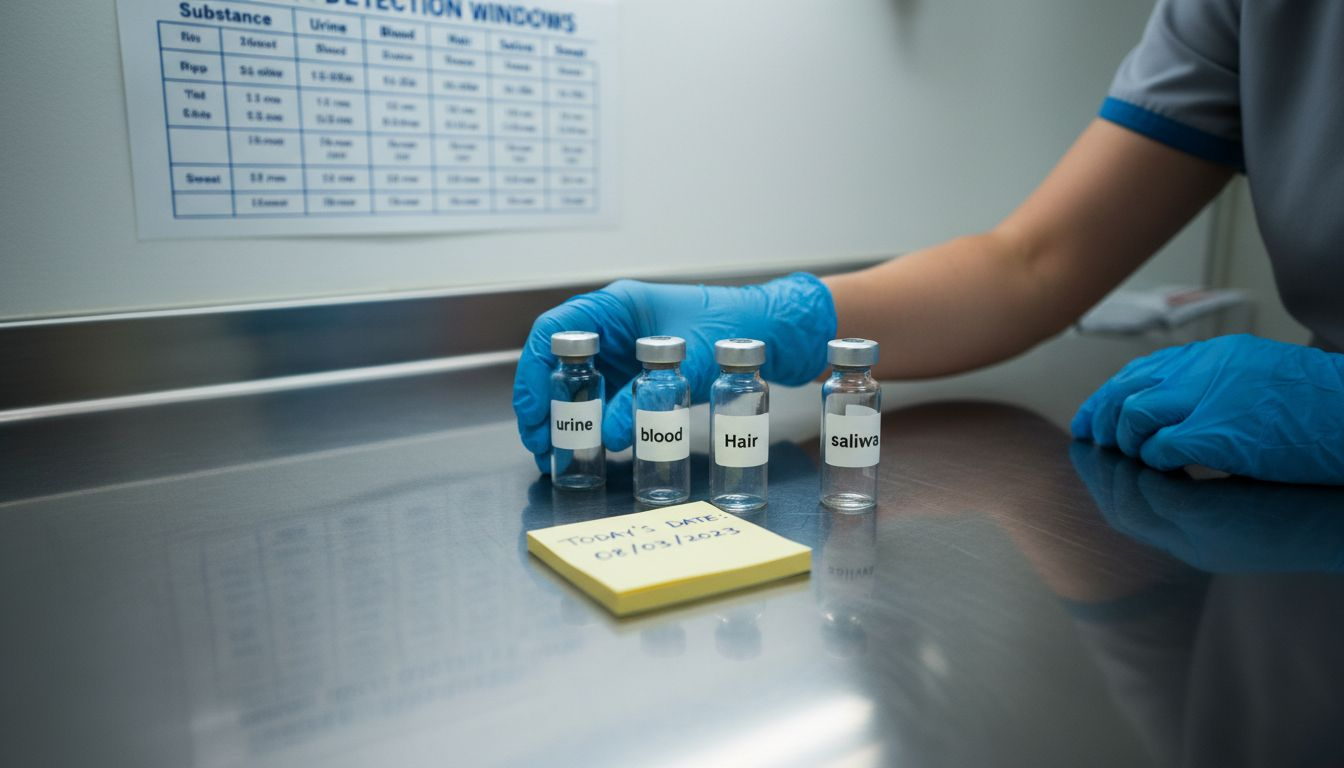
Hair follicle testing represents a unique approach, capable of detecting drug use patterns extending back several months. While less useful for identifying very recent consumption, hair tests offer an extensive historical view of substance use. Saliva testing has gained popularity due to its non-invasive nature and ability to detect very recent drug use, typically within 24-48 hours. This method is particularly useful in workplace and roadside screening scenarios where immediate detection matters most.
Key Characteristics of Drug Testing Methods:
Here’s a quick comparison of key drug testing methods and their unique advantages:
| Testing Method | Primary Advantage | Typical Setting |
|---|---|---|
| Urine | Cost-effective, widely used | Employment screening |
| Blood | Most accurate for current use | Medical, legal cases |
| Hair | Detects past substance use | Long-term monitoring |
| Saliva | Fast, non-invasive | Roadside, workplace |
| Sweat | Continuous monitoring | Court-ordered programs |
- Urine: Most common, affordable, 2-7 day detection window
- Blood: Most accurate for current impairment, shortest detection window
- Hair: Longest detection period (up to 90 days), shows historical use
- Saliva: Quick results, non-invasive, detects very recent use
- Sweat: Continuous monitoring through patch testing
Pro tip: Always confirm the specific testing method and its detection capabilities before undergoing screening to understand potential limitations and expected results.
To help clarify when each type of testing is appropriate, review this summary of recommended uses:
| Method | Best Used For | Limitation |
|---|---|---|
| Urine | Recent drug use detection | Shorter window for some drugs |
| Blood | Assessing current impairment | Invasive and higher cost |
| Hair | Identifying long-term patterns | Cannot detect recent use |
| Saliva | Immediate, post-use detection | Smaller detection window |
| Sweat | Ongoing substance monitoring | Limited drug types detected |
How Lab and At-Home Testing Work
Lab drug testing protocols represent a sophisticated approach to detecting substance use through precise scientific methodologies. Laboratory testing involves a rigorous, multi-step process designed to ensure maximum accuracy and reliability. The process begins with careful specimen collection, maintaining a strict chain of custody to prevent tampering or contamination. Trained professionals follow standardized protocols to collect, handle, and analyze biological samples with meticulous attention to detail.
At-home drug tests offer a convenient alternative, providing quick preliminary screening capabilities. These tests typically use immunoassay technology to detect the presence of specific drug metabolites in urine or saliva samples. While convenient, at-home tests are considered presumptive, meaning they provide an initial indication of potential drug use. Immunoassay screening produces rapid results but lacks the precision of laboratory-based confirmatory testing. Professional labs follow up with advanced techniques like gas chromatography and mass spectrometry to definitively identify and quantify substances.
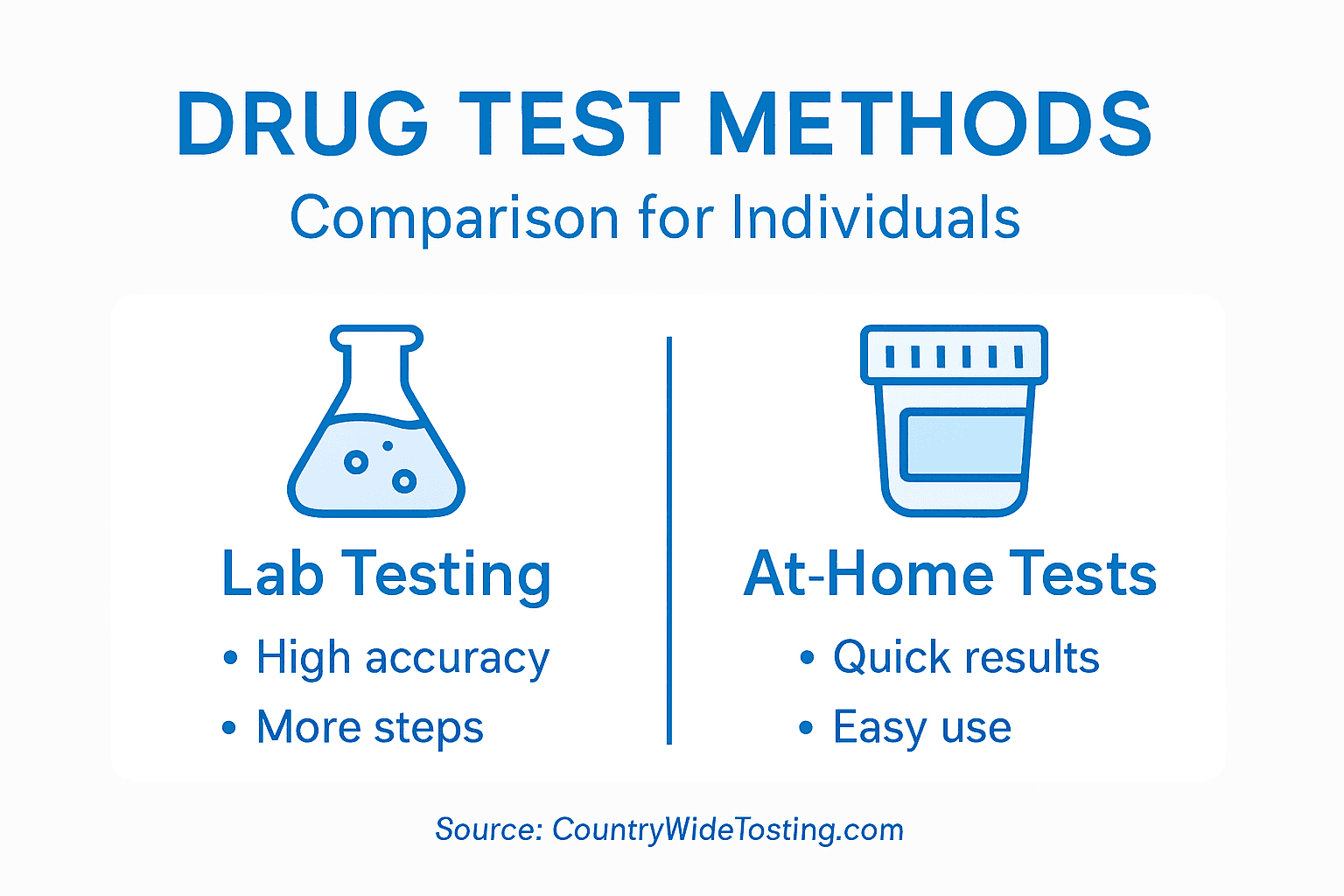
The key differences between lab and at-home testing lie in their methodology, accuracy, and depth of analysis. Laboratory testing provides comprehensive, scientifically validated results that can withstand legal and medical scrutiny. At-home tests serve as a quick initial screening tool, offering individuals a preliminary understanding of potential substance presence. However, these home tests have limitations, including potential user error, lower sensitivity, and the risk of false positive or negative results.
Comparative Testing Characteristics:
-
Lab Testing:
- Highest accuracy
- Forensically defensible results
- Multiple confirmation stages
- Suitable for legal and medical purposes
-
At-Home Testing:
- Quick results
- Lower cost
- Convenient
- Requires professional confirmation
Pro tip: Always consider a professional laboratory confirmation if an at-home test suggests potential substance use, as these initial screenings are not definitive.
Individual Rights and Legal Implications
Drug testing legal frameworks establish critical protections for individuals undergoing substance screening, balancing organizational needs with personal privacy rights. These regulations create essential guidelines that prevent arbitrary or discriminatory testing practices. The legal landscape surrounding drug testing is complex, requiring careful navigation of constitutional protections, employment laws, and individual consent requirements.
Workplace drug testing involves specific legal constraints designed to protect employee rights. Employers must demonstrate reasonable suspicion before implementing testing, which typically requires observable evidence of potential substance use. This standard prevents random or malicious screenings, ensuring that testing is conducted only when there are legitimate concerns about workplace safety or job performance. Medical privacy laws further restrict how test results can be used, mandating confidentiality and limiting potential discriminatory actions based on screening outcomes.
Special considerations emerge for specific populations, particularly minors and individuals in regulated environments like healthcare, transportation, and government services. Consent and confidentiality become paramount, with legal frameworks emphasizing protection of individual dignity and privacy. In medical and clinical settings, drug testing must follow strict ethical guidelines that prioritize patient rights and medical necessity. Legal precedents have consistently reinforced the importance of informed consent, precise testing protocols, and limited use of test results.
Key Legal Protections in Drug Testing:
- Requirement of reasonable suspicion
- Protection against discriminatory practices
- Mandatory confidentiality of test results
- Limited scope of testing permissions
- Right to contest or challenge test results
- Protection against unreasonable search and seizure
Pro tip: Always request a written explanation of the specific legal basis and protocols for any drug test, and understand your rights to consent, privacy, and result interpretation.
Ensuring Accuracy and Avoiding Common Mistakes
Drug testing accuracy requires sophisticated protocols that go far beyond simple screening procedures. Understanding potential pitfalls is crucial for obtaining reliable results. Comprehensive drug testing demands a multi-layered approach that addresses potential sources of error, from specimen collection to final analysis. Individuals and organizations must remain vigilant about the nuanced factors that can compromise test integrity.
Specimen collection represents the first critical point where errors can occur. Common mistakes include improper handling, contamination, and inadequate documentation. Chain of custody protocols are essential to prevent tampering or sample substitution. Trained professionals must follow strict guidelines, including proper identification, sealed packaging, and precise temperature and time-sensitive handling. At-home testing introduces additional challenges, with user error potentially leading to false results or invalid samples.
Confirmatory testing becomes paramount in ensuring accurate outcomes. Initial screening tests, typically immunoassays, provide preliminary indications but are not definitive. Professional laboratories use advanced techniques like gas chromatography and mass spectrometry to validate initial findings. This two-stage approach helps minimize false positives and negatives, providing a more comprehensive and scientifically rigorous assessment of substance presence.
Key Strategies for Maximizing Test Accuracy:
- Maintain strict chain of custody
- Use certified collection professionals
- Implement multiple testing stages
- Follow precise handling protocols
- Understand specific test limitations
- Confirm initial screenings with advanced techniques
Pro tip: Request a detailed explanation of the testing methodology, including confirmation procedures, to fully understand the potential accuracy and limitations of any drug screening.
Take Control of Your Drug Testing Needs Today
Navigating drug testing options can feel overwhelming with so many methods, detection windows, and legal considerations involved. Whether you are seeking accurate urine or saliva testing products, need trusted laboratory confirmation, or want to ensure compliance with regulatory standards like SAMHSA and CLIA, having a reliable partner makes all the difference. The article highlights the importance of understanding different testing methodologies and protecting your rights while securing precise results.
At CountryWideTesting.com, we provide a comprehensive range of individual drug testing solutions designed to simplify this process. Our association with certified laboratories guarantees professional handling for lab-based testing while offering easy-to-use at-home drug tests that empower you with fast preliminary results. From personal screenings to specialized testing needs, you can rely on our safe, compliant services to minimize errors and maximize accuracy.
Choose the most suitable drug test with confidence and protect your rights. Visit CountryWideTesting.com now to explore our full selection of urine and mouth swab tests, or discover our extensive lab testing services for definitive results you can trust. Don’t wait to ensure safety, privacy, and peace of mind—take the first step toward dependable drug testing solutions today.
Frequently Asked Questions
What is drug testing for individuals?
Drug testing for individuals is a systematic process of analyzing biological samples, like urine, blood, hair, or saliva, to detect the presence of specific substances in a person’s body. It is used for various purposes, including healthcare, legal requirements, monitoring treatment compliance, and ensuring workplace safety.
What are the different types of drug tests available?
The common types of drug tests include urine tests, blood tests, hair follicle tests, saliva tests, and sweat analysis. Each method has unique capabilities, detection windows, and suitability for different contexts.
How do lab drug tests differ from at-home drug tests?
Lab drug tests are more accurate and provide comprehensive results through scientific methodologies, whereas at-home drug tests offer quick preliminary screenings that are less precise. Lab tests also involve strict chain of custody protocols, making them suitable for legal and medical purposes.
What should I know about my rights during drug testing?
Individuals have rights during drug testing that include the requirement of reasonable suspicion for testing, confidentiality of test results, and the right to contest or challenge the results. It is essential to understand these rights, along with the specific legal protocols that may apply to your situation.