
Lab vs Onsite Drug Testing: Impact on HR Compliance
Balancing employee safety and compliance can quickly get complicated when drug testing is involved. Federal and state rules across the United States require clear, defensible protocols, yet the choice between lab-based and onsite drug testing brings important differences. HR professionals must weigh the speed and convenience of portable screening against the accuracy and legal reliability offered by laboratory analysis. This article spotlights what sets each method apart, helping employers protect both their teams and their policies.
Table of Contents
- Core Concepts Of Lab And Onsite Drug Testing
- Types, Methods, And Sample Collection Explained
- Accuracy, Speed, And Reliability Differences
- Legal Standards And Regulatory Compliance
- Cost, Risks, And Choosing The Best Approach
Key Takeaways
| Point | Details |
|---|---|
| Laboratory Testing is the Gold Standard | Laboratory testing provides the highest accuracy and comprehensiveness, ensuring scientifically validated results for workplace safety. |
| Onsite Testing is Rapid but Preliminary | Onsite testing offers immediate feedback, making it useful for quick assessments, but must be followed by laboratory confirmation for legal defensibility. |
| Regulatory Compliance is Essential | Employers must adhere to federal and state regulations, ensuring privacy, consent, and proper chain-of-custody procedures in all testing scenarios. |
| Consider a Hybrid Approach | A strategy combining onsite screening with laboratory testing balances cost-effectiveness and ensures comprehensive risk management and legal protection. |
Core concepts of lab and onsite drug testing
Drug testing represents a critical process for workplace safety and regulatory compliance, involving two primary methodologies: laboratory testing and onsite screening. Drug testing fundamentals encompass detecting specific substances through biological sample analysis, each approach offering distinct advantages for HR professionals.
Laboratory drug testing serves as the gold standard in drug screening, providing comprehensive and highly accurate results through sophisticated scientific techniques. Key characteristics include:
- Utilizes complex analytical instruments
- Allows comprehensive screening for multiple substances
- Provides scientifically validated confirmation of initial results
- Follows strict chain-of-custody protocols
- Meets rigorous certification standards
Onsite drug testing, by contrast, offers rapid, immediate screening capabilities directly at the collection point. These portable testing methods prioritize speed and convenience, enabling quick initial assessments. Portable testing devices can detect drug presence within minutes, making them valuable for immediate workplace safety interventions.
Onsite testing should always be considered a preliminary screening method, not a definitive diagnostic tool.
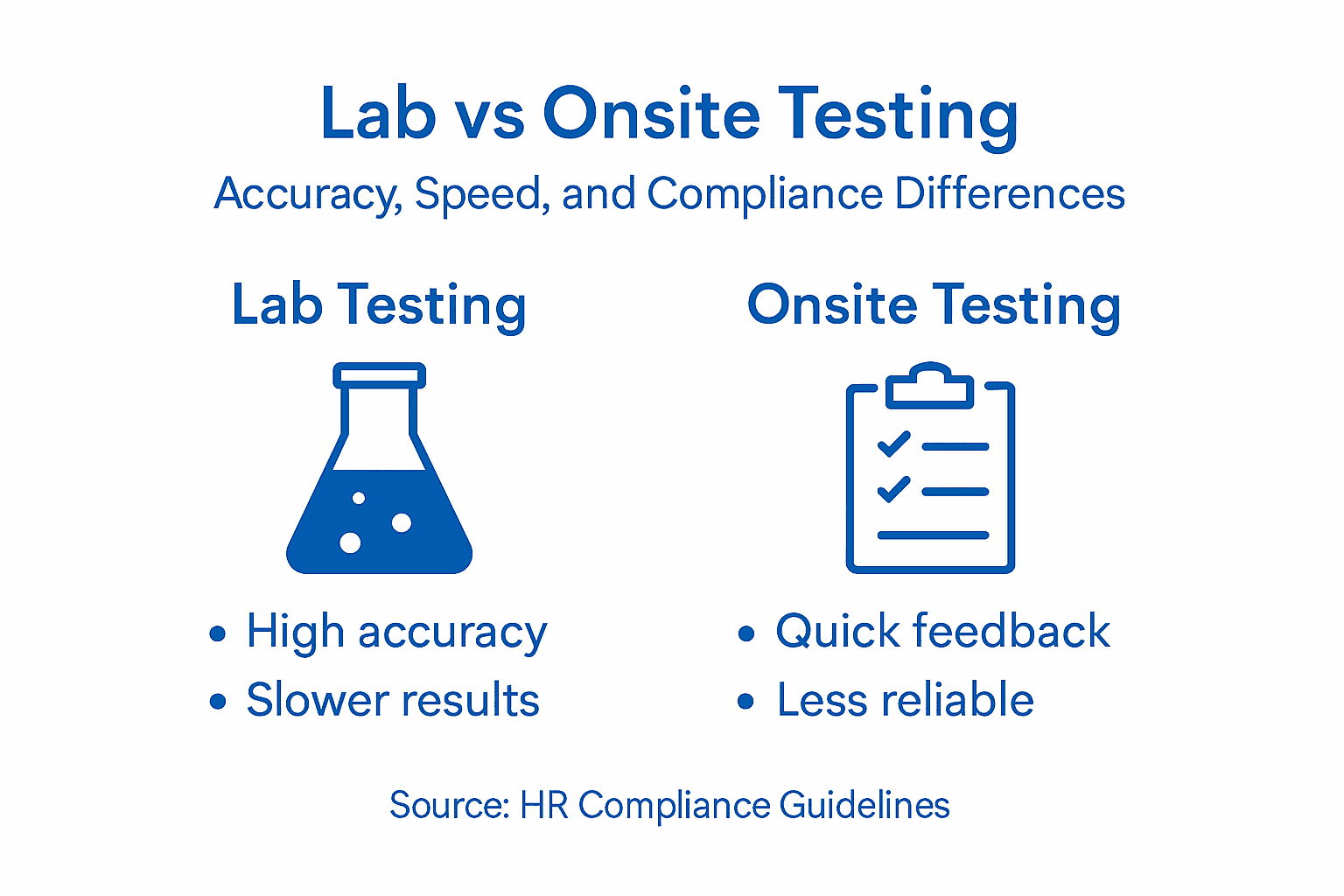
The primary differences between lab and onsite testing fundamentally revolve around accuracy, speed, and comprehensiveness. Laboratory testing provides deeper, more nuanced analysis, while onsite testing delivers immediate preliminary insights. HR professionals must understand these distinctions to develop robust, legally compliant drug screening strategies.
Here’s a structured comparison of laboratory and onsite drug testing benefits for HR decision-making:
| Criterion | Laboratory Testing | Onsite Testing |
|---|---|---|
| Result Turnaround | 1-3 days with official documentation | Immediate feedback, usually under 10 minutes |
| Detection Range | Identifies a broad spectrum of drugs | Limited panel, fewer substances detected |
| False Positives Risk | Very low after confirmatory analysis | Higher risk until lab confirmation |
| Legal Defensibility | Strong due to validated chain-of-custody | Limited unless followed by lab confirmation |
Pro tip: Always follow initial onsite screening with confirmatory laboratory testing to ensure comprehensive and legally defensible results.
Types, methods, and sample collection explained
Workplace drug testing involves multiple sophisticated approaches designed to detect substance use accurately and efficiently. Drug testing methodologies encompass various techniques that help HR professionals implement comprehensive screening programs with precision and legal compliance.
Drug testing methods can be categorized into several primary types:
- Urine Testing: Most common method, detecting recent drug use
- Blood Testing: Provides precise measurement of current substance levels
- Hair Follicle Testing: Reveals long-term drug use patterns
- Saliva Testing: Quick, non-invasive screening method
- Sweat Patch Testing: Continuous monitoring of drug use
Each testing method offers unique advantages and limitations. Urine testing remains the most prevalent due to its cost-effectiveness and broad detection window. Blood tests provide the most accurate snapshot of current intoxication, while hair follicle tests can detect drug use spanning several months.
The following table summarizes different workplace drug testing methods and key scenario-specific considerations:
| Method | Best Use Case | Consideration |
|---|---|---|
| Urine | Pre-employment or random screening | Widely accepted, moderate window |
| Blood | Post-incident or suspicion testing | Indicates current impairment |
| Hair Follicle | Long-term behavior assessment | Detects use over weeks to months |
| Saliva | Onsite, recent use detection | Non-invasive, short detection window |
| Sweat Patch | Continuous monitoring for select roles | Extended detection, tamper evident |
Accurate sample collection is crucial to maintaining the integrity and legal defensibility of drug testing results.
The scientific processes behind drug testing involve complex screening techniques. Initial immunoassay screenings identify potential drug presence, with confirmatory tests like gas chromatography-mass spectrometry providing definitive results. Confirmatory testing ensures accuracy and helps prevent false positives that could unfairly impact an employee’s professional standing.
Pro tip: Develop a comprehensive drug testing policy that clearly outlines the specific testing methods, collection procedures, and potential consequences to maintain transparency and fairness.
Accuracy, speed, and reliability differences
Drug testing technologies present a complex landscape of trade-offs between speed, accuracy, and comprehensive analysis. Instant drug test differences reveal critical insights for HR professionals navigating workplace screening protocols.
The key performance metrics for drug testing methodologies include:
- Speed: Onsite tests provide immediate results
- Accuracy: Laboratory tests offer precise scientific validation
- Sensitivity: Advanced testing detects lower substance concentrations
- Legal Defensibility: Comprehensive testing reduces potential challenges
- Cost-Effectiveness: Varies based on testing complexity
Onsite testing delivers rapid screening, typically producing results within minutes. These quick assessments allow immediate decision-making but come with inherent limitations. Preliminary screening can flag potential issues, but lacks the scientific rigor of comprehensive laboratory analysis.
Rapid screening should never replace thorough, scientifically validated testing procedures.
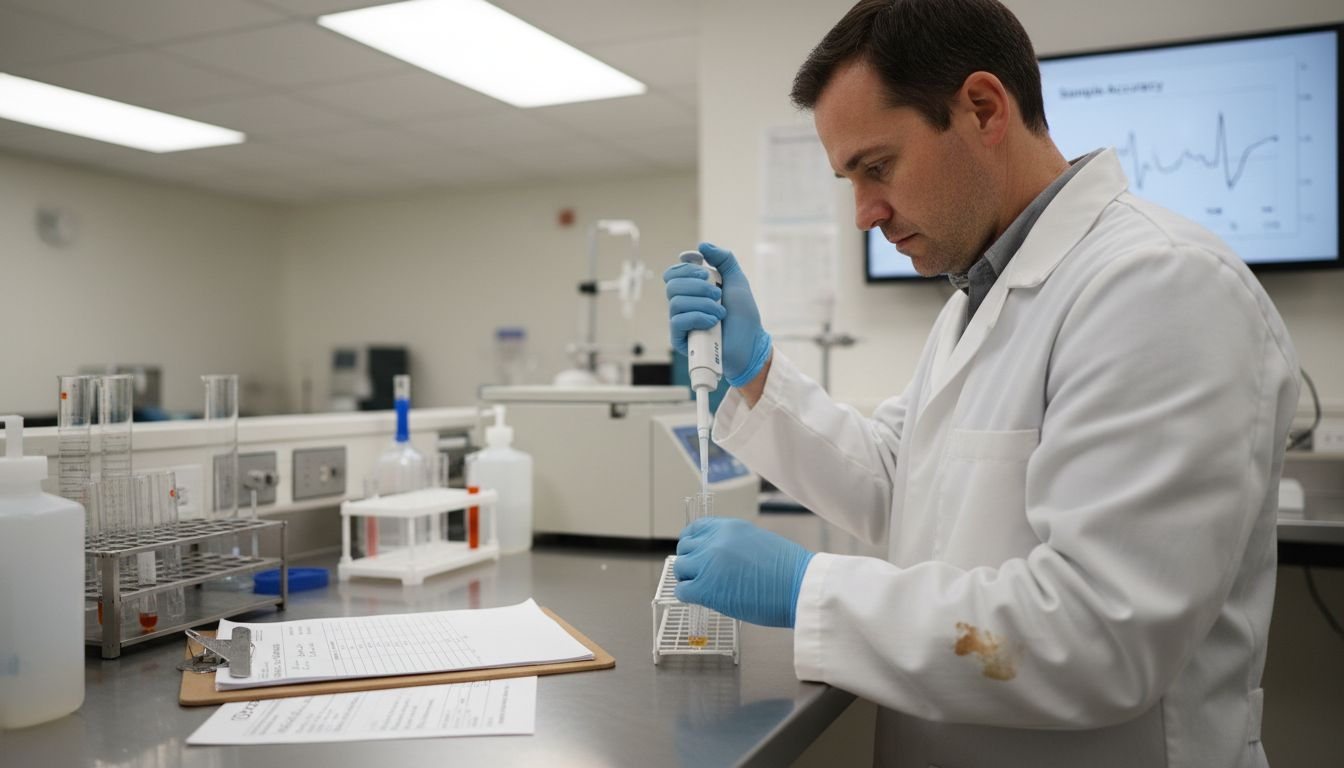
Laboratory-based testing represents the gold standard for drug screening, providing multiple layers of verification. Sophisticated techniques like gas chromatography and mass spectrometry enable precise substance identification, quantification, and confirmation. This multi-stage approach dramatically reduces false positive and false negative rates, ensuring more reliable outcomes for employers.
Pro tip: Implement a two-stage testing protocol combining quick onsite screening with confirmatory laboratory analysis to balance speed and accuracy.
Legal standards and regulatory compliance
Drug testing in the workplace is governed by a complex network of federal and state regulations designed to protect both employer and employee rights. Laboratory drug testing standards establish critical frameworks for maintaining legal and ethical screening practices.
Key regulatory requirements for drug testing include:
- CLIA Certification: Clinical Laboratory Improvement Amendments compliance
- Chain-of-Custody Protocols: Documented sample handling procedures
- Privacy Protection: Strict confidentiality standards
- Non-Discrimination Guidelines: Ensuring fair testing practices
- Consent Requirements: Mandatory employee notification and agreement
Federal regulations like the Substance Abuse and Mental Health Services Administration (SAMHSA) guidelines provide comprehensive standards for workplace drug testing. These regulations mandate specific procedures for sample collection, testing methodologies, and result interpretation to ensure legal defensibility and scientific accuracy.
Compliance is not optional - it’s a critical risk management strategy for organizations.
State-level regulations add another layer of complexity, with varying requirements across different jurisdictions. Employers must navigate these nuanced legal landscapes carefully, understanding that drug testing protocols can differ significantly between states. Workplace screening must balance legal compliance, employee privacy, and organizational safety objectives.
Pro tip: Consult with legal counsel annually to ensure your drug testing policies remain fully compliant with current federal and state regulations.
Cost, risks, and choosing the best approach
Navigating drug testing strategies requires careful evaluation of multiple critical factors. Drug testing selection dynamics reveal complex considerations that impact organizational decision-making and risk management.
Key comparative factors between lab and onsite testing include:
- Initial Cost: Onsite tests have lower upfront expenses
- Accuracy: Laboratory testing provides superior precision
- Turnaround Time: Onsite tests deliver immediate results
- Legal Protection: Lab tests offer stronger documentation
- Comprehensive Detection: Laboratory screening identifies more substances
Onsite testing presents attractive short-term benefits, particularly for organizations seeking rapid screening and immediate decision-making. These quick screening methods allow employers to rapidly identify potential substance use issues, with lower initial financial investment.
Cost-effectiveness should never compromise the fundamental goal of maintaining workplace safety and legal compliance.
Laboratory testing represents a more robust long-term strategy, despite higher initial costs. The comprehensive analysis, scientifically validated results, and stronger legal defensibility make laboratory testing the preferred approach for organizations with complex regulatory requirements or high-risk environments.
Pro tip: Develop a hybrid testing approach that combines initial onsite screening with confirmatory laboratory testing to balance cost-efficiency and comprehensive risk management.
Ensure HR Compliance with Trusted Lab and Onsite Drug Testing Solutions
Navigating the challenges of balancing speed, accuracy, and legal defensibility in drug testing can feel overwhelming. This article highlights critical pain points such as differentiating between preliminary onsite screening and comprehensive laboratory analysis while adhering to regulations like SAMHSA and CLIA. If you are an employer or HR professional seeking to develop reliable drug testing protocols that meet regulatory standards and protect your workforce, you need accessible and scientifically validated options.
CountryWideTesting.com offers a full spectrum of drug and alcohol testing products and services designed to address these exact needs. With access to licensed laboratories compliant with ISO, CAP, and federal guidelines, you can confidently implement two-stage testing strategies combining rapid onsite tests with confirmatory lab results. Our platform supports you in maintaining chain-of-custody integrity while delivering results that stand up legally and protect your organization from costly compliance risks.
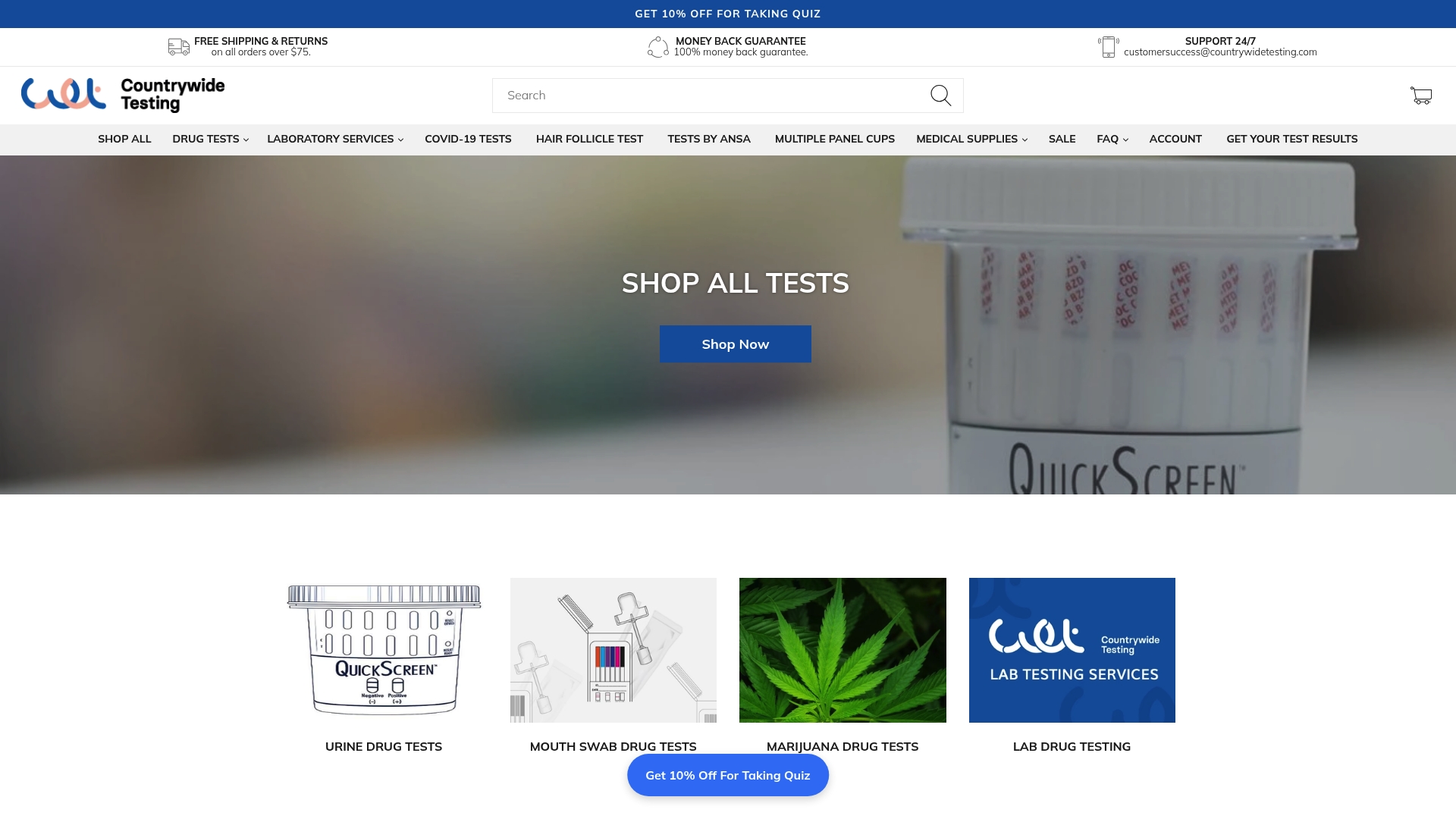
Empower your HR compliance program today by exploring our trusted drug testing kits and certified laboratory services. Discover how easy it is to ensure safety and legal compliance with solutions tailored for pre-employment, random, and post-incident screening at CountryWideTesting.com Learn more about how effective drug testing methodologies and regulatory adherence can work seamlessly by visiting CountryWideTesting.com now.
Frequently Asked Questions
What is the difference between lab and onsite drug testing?
Lab testing offers highly accurate results with comprehensive substance screening after a detailed analysis, while onsite testing provides immediate preliminary results that are quicker but less comprehensive.
Why is laboratory drug testing considered the gold standard?
Laboratory drug testing is considered the gold standard because it utilizes advanced analytical techniques, follows strict chain-of-custody protocols, and is backed by rigorous certification standards, ensuring scientifically validated results.
How should HR professionals approach drug testing strategies?
HR professionals should implement a combined approach of onsite screening for immediate results followed by laboratory confirmation to ensure compliance, accuracy, and legal defensibility of the testing process.
What legal standards must be followed during the drug testing process?
Key legal standards include CLIA certification, adherence to chain-of-custody protocols, protection of employee privacy, non-discrimination guidelines, and mandatory consent requirements for testing.
Recommended
- Why Choose Accredited Drug Testing Labs for HR
- Step by Step Drug Screening Workflow for HR Managers
- Drug Testing Policies: Key Requirements for Employers
- Why Lab Drug Testing Matters for Workplace Safety
- Hair Analysis Test 2025: Discover Your Health Insights | MyHair