
Why Lab Drug Testing Matters for Workplace Safety
Uncertainty about drug testing can leave Human Resource managers in American workplaces struggling to balance safety, compliance, and employee privacy. Substance use disorder impacts organizations through more than occasional policy breaches—it creates complex challenges that demand accurate, scientific methods. Comprehensive lab drug testing protocols help separate myth from fact, equipping you to make informed decisions that protect your company’s reputation, reduce liability risks, and support a safer, more productive environment.
Table of Contents
- Lab Drug Testing Explained And Common Myths
- Testing Types: Lab Vs. Onsite Screening
- Accuracy, Reliability, And Certifying Standards
- Legal And Regulatory Requirements For Employers
- Reducing Risks And Liability With Lab Testing
- Comparing Lab Methods To Rapid Tests
Key Takeaways
| Point | Details |
|---|---|
| Understanding Testing Methods | Employers should implement a combination of onsite screening and laboratory testing to maximize accuracy and ensure workplace safety. |
| Addressing Myths | Common misconceptions about drug testing can lead to confusion; it is crucial to educate employees on the scientific nature and processes involved in testing. |
| Compliance with Regulations | Adhering to federal and state regulations is essential for employers to maintain legal standards while ensuring a safe workplace. |
| Importance of Certification | Requesting and verifying laboratory certifications is critical to ensuring the integrity and reliability of drug testing procedures. |
Lab Drug Testing Explained and Common Myths
Drug testing represents a critical component of workplace safety protocols, designed to identify potential substance use risks before they compromise employee performance and organizational security. Substance use disorders create complex workplace challenges that require nuanced, scientific approaches to detection and management.
Modern lab drug testing involves sophisticated screening methods that analyze biological samples to detect the presence of prohibited substances. Unlike popular misconceptions, these tests are not simplistic pass/fail assessments but complex scientific procedures requiring precise laboratory analysis. The most common testing methods include:
- Urine Testing: Most prevalent method capturing recent substance use
- Blood Testing: Provides most accurate current intoxication levels
- Hair Follicle Testing: Identifies long-term substance use patterns
- Saliva Testing: Quick screening with shorter detection windows
Drug testing technologies have evolved significantly, moving beyond rudimentary detection to provide comprehensive insights into potential substance use risks. Detecting complex metabolic patterns requires advanced laboratory techniques that can distinguish between casual exposure and chronic substance abuse.
Here is a comparison of common drug testing sample types and what each reveals:
| Sample Type | Detection Window | Best For |
|---|---|---|
| Urine | 1-7 days | Recent use monitoring |
| Blood | Hours to 2 days | Identifying current impairment |
| Hair Follicle | Up to 90 days | Long-term use pattern tracking |
| Saliva | 1-48 hours | Detecting very recent use |
Many workplace drug testing myths persist, creating confusion about the process and reliability. Common misconceptions include believing that a single test can definitively determine addiction severity or frequency of use. In reality, professional lab testing involves multiple confirmation steps and considers individual metabolic variations.
Key Workplace Drug Testing Myths:
- Myth: All drug tests are 100% accurate
- Myth: A positive test automatically means employee termination
- Myth: Drug tests can precisely measure addiction levels
- Myth: Testing is invasive and violates personal privacy
Effective drug testing programs balance scientific rigor with employee respect, utilizing certified laboratory processes that protect both organizational safety and individual rights. Professional testing goes beyond simple detection, providing an opportunity for supportive intervention and employee wellness.
Pro tip: Implement comprehensive drug testing protocols that prioritize employee support and rehabilitation over punitive measures.
Testing Types: Lab vs. Onsite Screening
Workplace drug testing involves two primary approaches: onsite screening and comprehensive laboratory testing. Portable drug testing instruments have advanced significantly, but each method offers distinct advantages and limitations for detecting substance use.
Onsite screening provides rapid, immediate results using quick detection methods. These tests typically involve:
- Immunoassay Test Strips: Fast, preliminary substance detection
- Rapid Screening Kits: Quick visual confirmation of potential drug presence
- Point-of-Collection Testing: Immediate results at workplace locations
- Digital Testing Devices: Technology-enhanced screening tools
Laboratory testing, by contrast, represents the gold standard for comprehensive substance analysis. Unlike onsite methods, laboratory tests provide definitive, scientifically verified results through multiple confirmation stages. These advanced screenings use sophisticated techniques like gas chromatography and mass spectrometry to identify precise substance concentrations and eliminate potential false positives.
Key differences between onsite and laboratory testing include:
- Accuracy levels
- Detection time windows
- Specific substances identified
- Complexity of analysis
- Cost and processing time
While onsite screenings offer immediate insights, they cannot replace the rigorous, detailed analysis provided by professional laboratory testing. Employers must understand that preliminary screenings serve as initial indicators, requiring subsequent professional confirmation to make informed decisions.
Key Considerations for Choosing Testing Methods:
- Immediate result needs
- Budget constraints
- Workplace safety requirements
- Legal and regulatory compliance
- Desired depth of substance detection
Pro tip: Implement a hybrid testing approach combining rapid onsite screening with confirmatory laboratory testing for maximum workplace safety and accuracy.
Accuracy, Reliability, and Certifying Standards
Workplace drug testing requires a comprehensive approach to ensuring accuracy and reliability through rigorous scientific standards. International laboratory validation protocols play a critical role in establishing trust and precision in substance screening processes.
Professional drug testing depends on multiple layers of quality assurance, including:
- Analytical Precision: Minimizing measurement variations
- Method Validation: Confirming test reliability
- Instrument Calibration: Maintaining equipment accuracy
- Quality Control Procedures: Implementing consistent testing protocols
Certification standards represent the backbone of trustworthy drug testing. These comprehensive guidelines ensure that laboratories maintain consistent, scientifically validated processes that meet stringent regulatory requirements. FDA validation guidelines specify detailed criteria for assessing test accuracy, including:
- Sensitivity measurements
- Reproducibility of results
- Detection threshold precision
- Elimination of potential false positives
Key certification standards that employers should recognize include:
- CLIA (Clinical Laboratory Improvement Amendments)
- CAP (College of American Pathologists)
- ISO/IEC 17025 Accreditation
- SAMHSA (Substance Abuse and Mental Health Services Administration) Guidelines
These standards go beyond simple compliance, creating a robust framework that protects both employer interests and employee rights. Comprehensive certification ensures that drug testing procedures are scientifically sound, legally defensible, and designed to provide the most accurate representation of substance use.
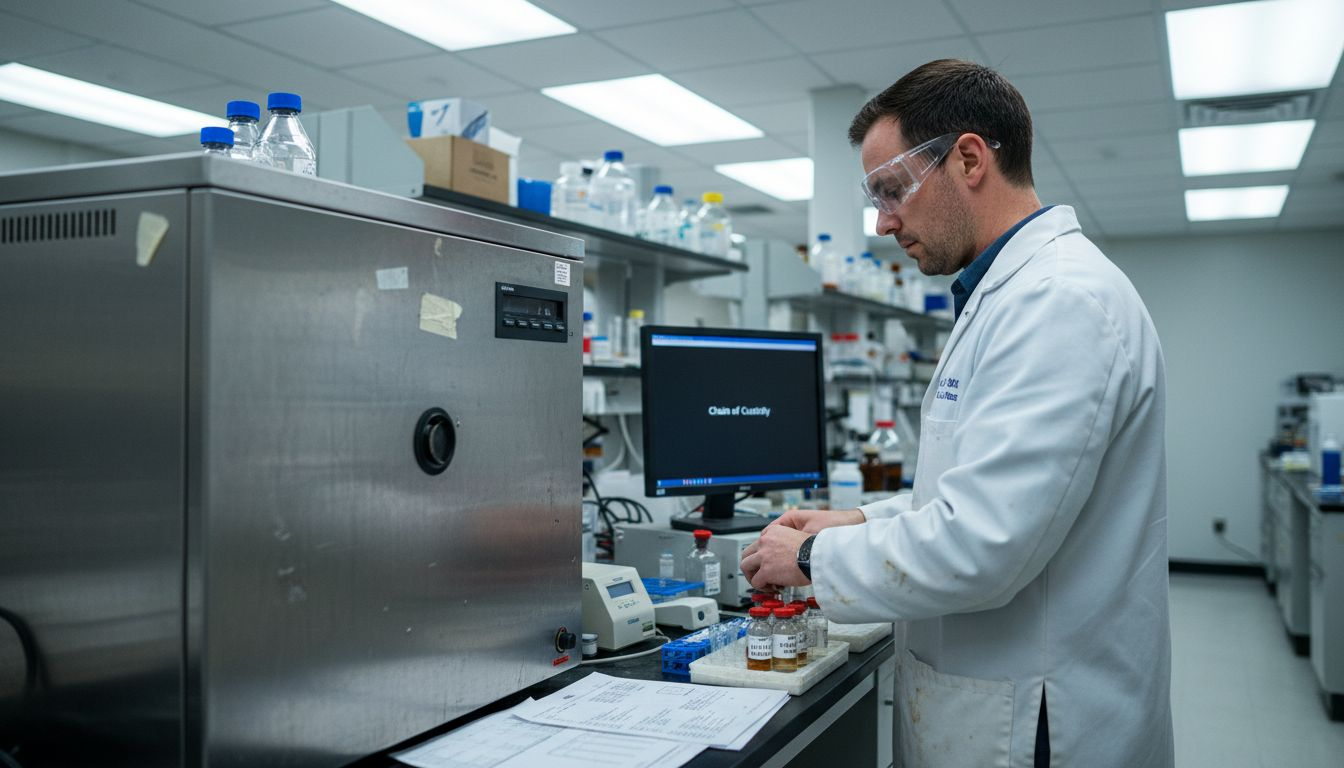
Below is a summary of key certification standards and their main focus in drug testing labs:
| Certification/Standard | Core Focus | Who Issues It |
|---|---|---|
| CLIA | Laboratory quality and accuracy | U.S. Centers for Medicare & Medicaid |
| CAP | Pathology lab best practices | College of American Pathologists |
| ISO/IEC 17025 | Lab competence and calibration | International Organization for Standardization |
| SAMHSA Guidelines | Substance testing in workplaces | Substance Abuse and Mental Health Services Adm. |
Laboratory certifications are not just paperwork – they are a commitment to scientific integrity and workplace safety.
Understanding these standards helps HR professionals make informed decisions about drug testing protocols, reducing legal risks and maintaining a safe, productive work environment.
Pro tip: Request detailed certification documentation from your drug testing provider to validate their commitment to scientific standards and accuracy.
Legal and Regulatory Requirements for Employers
Employers navigating workplace drug testing must carefully balance legal compliance with organizational safety needs. Safety-sensitive industry regulations establish critical guidelines for implementing comprehensive drug testing protocols that protect both employee rights and workplace security.
Federal and state regulations create a complex landscape of legal requirements for drug testing, including:
- Pre-employment screening mandates
- Random testing protocols
- Post-incident investigation requirements
- Reasonable suspicion testing guidelines
- Rehabilitation and return-to-work policies
Key legal considerations for employers include:
- Ensuring consistent, non-discriminatory testing practices
- Maintaining strict confidentiality of test results
- Following precise notification and consent procedures
- Complying with industry-specific regulatory standards
Workplace drug testing laws vary significantly across different sectors and jurisdictions. Employer health and safety obligations require a nuanced approach that balances legal compliance with employee privacy protections.
Legal drug testing is not about punishment, but about creating a safe, productive work environment that protects both employees and employers.
Critical regulatory frameworks that employers must understand include:
- Department of Transportation (DOT) regulations
- Occupational Safety and Health Administration (OSHA) guidelines
- Americans with Disabilities Act (ADA) considerations
- State-specific workplace testing laws
Navigating these complex legal requirements demands a comprehensive understanding of both federal and local regulations, ensuring that drug testing protocols are legally defensible and ethically implemented.
Pro tip: Consult with legal counsel specializing in employment law to develop a comprehensive drug testing policy that meets all regulatory requirements.
Reducing Risks and Liability with Lab Testing
Comprehensive workplace risk management requires sophisticated drug testing strategies that protect both organizational interests and employee well-being. Laboratory drug testing serves as a critical mechanism for identifying potential workplace safety risks before they escalate into serious incidents.
Strategic risk reduction through lab testing involves multiple critical components:
- Early detection of substance use patterns
- Objective, scientifically validated screening processes
- Comprehensive documentation for legal protection
- Proactive workplace safety interventions
- Reduction of potential accident scenarios
Key liability mitigation strategies include:
- Implementing consistent testing protocols
- Maintaining strict confidentiality of test results
- Establishing clear communication about testing procedures
- Developing supportive rehabilitation pathways
Workplace safety risks can be significantly minimized through systematic laboratory risk assessment approaches that identify and address potential substance-related performance impairments.
Lab drug testing is not about punishment, but about creating a safe, productive environment that protects both employees and employers.
Critical considerations for effective risk reduction include:
- Documenting testing procedures
- Ensuring scientific accuracy of results
- Protecting employee privacy rights
- Maintaining legal compliance
- Creating transparent workplace policies
By integrating comprehensive laboratory testing protocols, employers can significantly reduce potential liability, improve workplace safety, and demonstrate a commitment to employee wellness and organizational performance.
Pro tip: Develop a holistic drug testing policy that balances scientific rigor with employee support and legal compliance.
Comparing Lab Methods to Rapid Tests
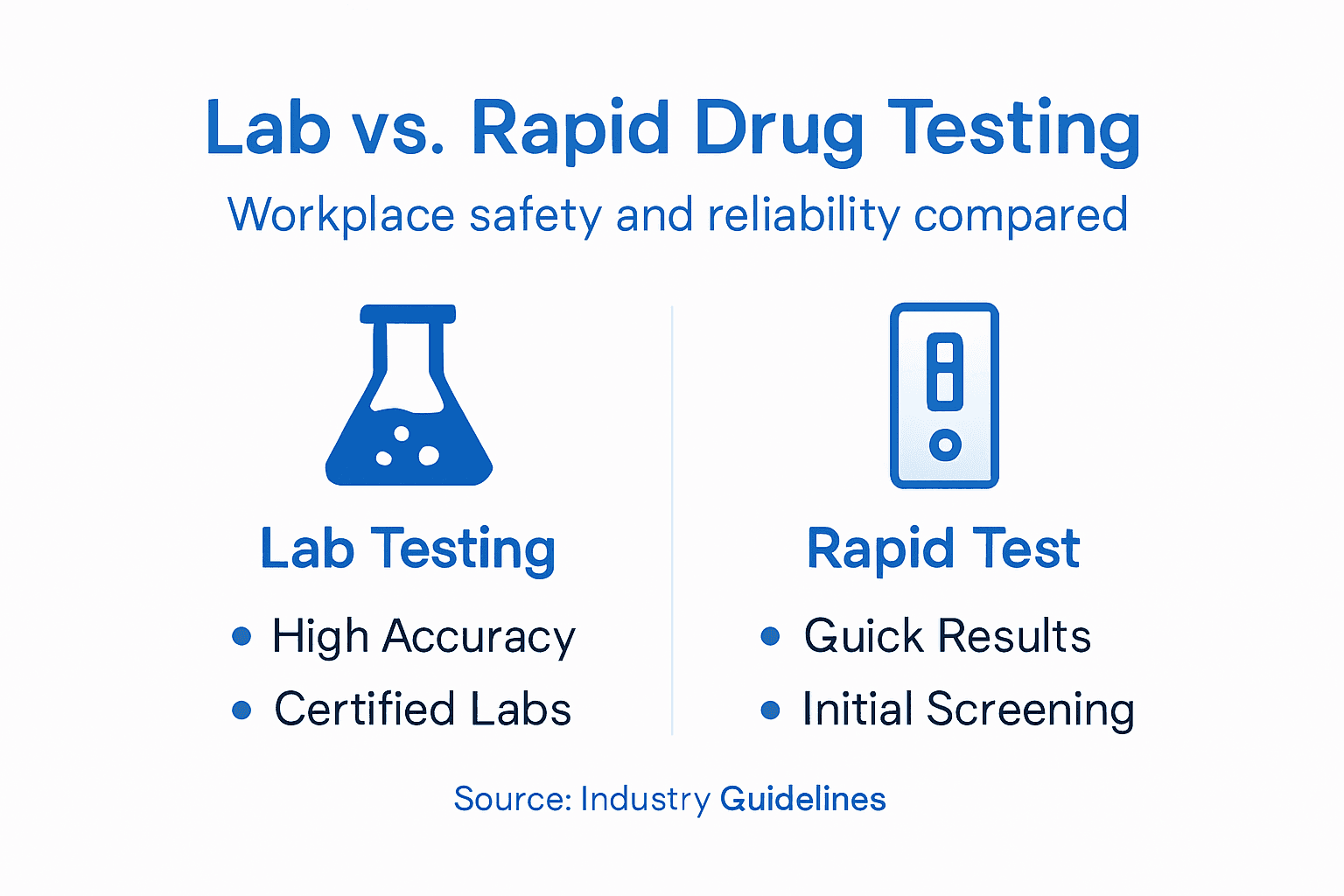
Drug testing methodologies reveal significant differences between rapid screening techniques and comprehensive laboratory analysis. While quick tests offer immediate insights, they cannot replace the scientific rigor of professional laboratory examination.
Rapid Testing Characteristics include:
- Quick results (typically 5-10 minutes)
- Lower cost per test
- On-site screening capabilities
- Initial substance detection
- Limited confirmatory power
Laboratory Testing Advantages:
- Definitive substance identification
- Multiple confirmation stages
- Advanced scientific techniques
- Precise quantitative measurements
- Legal and regulatory compliance
Portable analytical instruments have improved field testing accuracy, but cannot entirely replace laboratory confirmatory methods. Sophisticated techniques like gas chromatography and mass spectrometry provide unparalleled precision in detecting specific substances.
Rapid tests offer a snapshot, but laboratory testing provides the full picture of substance use.
Key differences between rapid and laboratory testing include:
- Accuracy levels
- Detection sensitivity
- Complexity of analysis
- Legal admissibility
- Scientific validation
Professional organizations consistently recommend using rapid tests as preliminary screenings, followed by comprehensive laboratory confirmation to ensure workplace safety and legal compliance.
Pro tip: Implement a two-stage testing approach combining rapid screening with laboratory confirmation for maximum accuracy and reliability.
Ensure Workplace Safety with Trusted Lab Drug Testing Solutions
Workplace safety demands precise, scientifically validated drug testing that respects employee rights while protecting your organization. If you are aiming to reduce risks associated with substance use and comply with regulatory standards like SAMHSA, ISO, CLIA, and CAP, relying on sophisticated laboratory testing is essential. The complexity of lab drug testing provides accurate detection, early intervention opportunities, and legal confidence that onsite screening alone cannot guarantee.
Discover a full range of testing products including urine and mouth swab drug tests along with professional lab testing services at CountryWideTesting.com. Our partnerships with certified laboratories ensure your samples receive expert handling meeting all major certification standards. Take control of workplace drug testing with comprehensive solutions tailored for employers and organizations by visiting CountryWideTesting.com. Start now to build a safer, compliant, and more productive workplace environment.
Frequently Asked Questions
What is the purpose of lab drug testing in the workplace?
Lab drug testing is designed to identify potential substance use risks among employees, ensuring workplace safety and organizational security by preventing impaired performance due to substance use.
What are the main types of lab drug testing methods?
The most common lab drug testing methods include urine testing, blood testing, hair follicle testing, and saliva testing, each providing different insights into substance use patterns and detection windows.
How does lab drug testing compare to onsite screening?
Lab drug testing offers more accurate and comprehensive results due to its rigorous analysis methods, whereas onsite screening provides immediate results that may require laboratory confirmation for accuracy.
What are some common myths about drug testing in the workplace?
Common myths include the belief that all drug tests are 100% accurate, that a positive result automatically leads to termination, and that drug tests can determine the severity of addiction. In reality, professional lab testing involves multiple confirmation steps and considers individual variations.