
Drug Test Cost in 2026: What You'll Actually Pay
Expect to pay $5 to $40 for an instant at-home kit, $50 to $200 or more for a lab-processed urine panel, and $125 or higher for a hair test. DOT-regulated workplace testing runs $50 to $125 per test, but that’s rarely the full bill once you factor in Medical Review Officer fees, Clearinghouse costs, and confirmatory lab work.
Who foots the bill depends on why the test is happening. Employers typically cover the cost of pre-employment, random, and DOT testing, plus the compliance overhead that comes with it. Individuals usually pay out of pocket for personal peace-of-mind testing, court-ordered screens, or family situations, and health insurance almost never covers employment-related drug testing.
- Instant kits (urine/saliva): $5 to $40
- Lab urine panels (5 to 12 panel): $50 to $200+, depending on panel size and confirmatory testing
- Hair follicle tests: $125 and up
- DOT/federally regulated tests: $50 to $125 per test, plus program fees
Quick fact: Most saliva or urine drug tests cost about $20 to $40, with instant kits starting closer to $5 and hair testing commonly starting around $125.
Key Takeaways
Drug test cost in the United States ranges from $5 for a basic instant kit to $200 or more for a confirmed lab panel, with employer and DOT testing carrying added compliance fees beyond the per-test price.
| Point | Details |
|---|---|
| Instant kits are the cheapest option | Retail kits run $5 to $40 but aren’t accepted for legal or employment proof on their own. |
| Lab panels cost more for a reason | Certified lab processing and confirmatory testing push 12-panel tests to $100 to $200 or higher. |
| DOT costs go beyond the test itself | Per-test fees run $50 to $125, but MRO review, Clearinghouse fees, and consortium dues add to the annual total. |
| Return-to-duty is the biggest expense | SAP evaluation and follow-up testing after a failed DOT test can run $1,000 to $5,000 or more. |
| Countrywidetesting offers certified options for both | Individuals and employers can access SAMHSA-certified lab testing and retail kits with transparent pricing through Countrywidetesting. |
Table of Contents
- How Much Does a Drug Test Cost by Type?
- What Does DOT and Employer Drug Testing Really Cost?
- What Factors Actually Drive the Price You Pay?
- How Do You Choose the Right Test and Vendor?
- Why Do Certified Labs Cost More, and Is It Worth It?
- What the Real Cost Story Gets Wrong
- Get Compliant Testing With Transparent Pricing
- Where to Verify These Figures
- Frequently Asked Questions
- Sources
How Much Does a Drug Test Cost by Type?
The price gap between a drugstore kit and a lab-confirmed panel comes down to what’s happening behind the scenes. A $10 kit gives you a color-change result in minutes. A $150 lab panel involves a certified technician, chain-of-custody paperwork, and sometimes a second round of chemical analysis to confirm what the first screen suggested.
Retail instant kits sit at the affordable end. Multi-panel instant kits commonly run $20 to $30 at major retailers like Walgreens, and a single-panel urine strip can cost less than $10. These work fine for a quick personal check but won’t carry legal or employment weight on their own.
Lab-based urine testing costs more because a real lab, not a plastic strip, is reading the result. A basic 5-panel screen often starts around $50. A 12-panel test, which checks for more substances including certain opioids and prescription medications, typically lands between $100 and $200. Add confirmatory testing with GC/MS or LC-MS/MS, the gold-standard chemical methods labs use to verify a positive screen, and the total climbs further. Screening tests are cheaper but less definitive; confirmatory testing costs more and is required when a screen comes back positive or when results need to hold up legally.
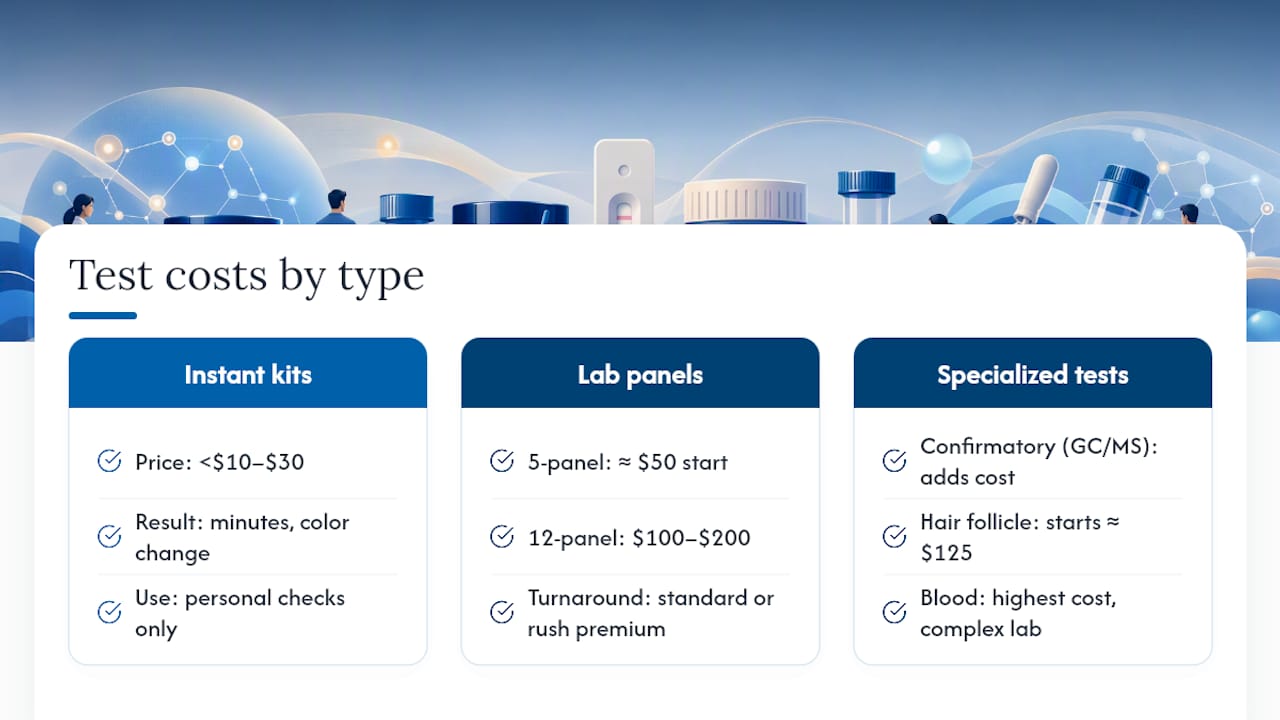
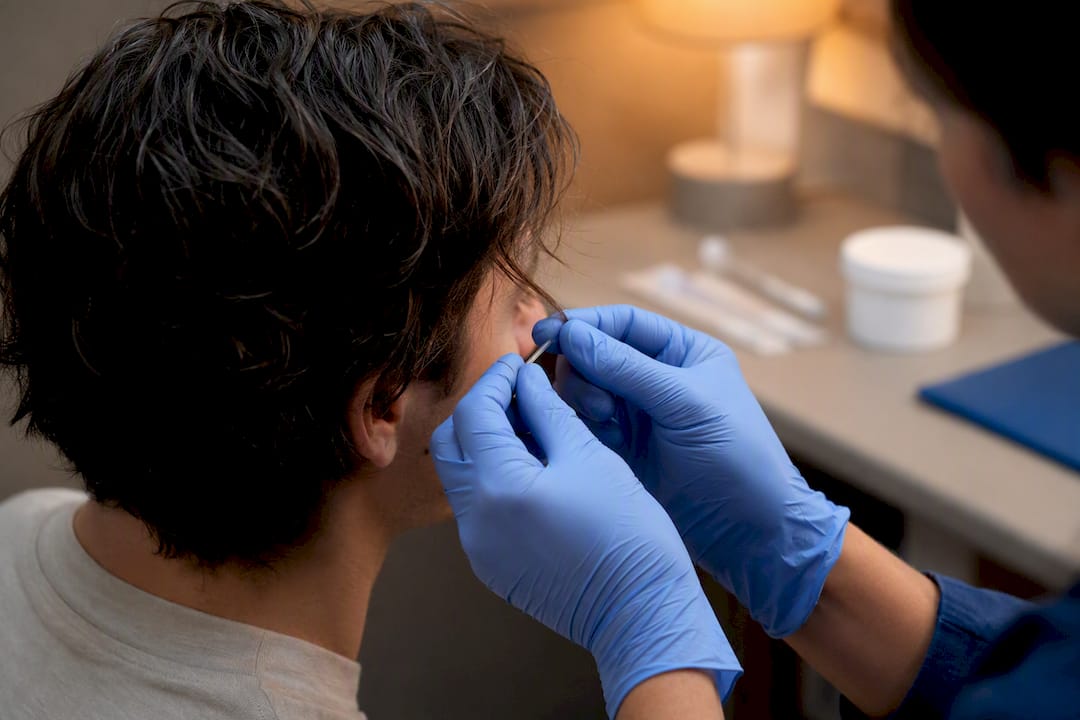
Hair follicle testing starts around $125 and can price up from there. It’s the go-to option when someone needs a longer detection window, often 90 days, compared to the few days a urine test covers.
Blood tests cost the most of the common options, largely because blood analysis requires more complex lab instrumentation and technique than a standard urine screen. These get ordered less often for routine screening and more often for medical or legal cases where impairment level matters, not just presence or absence.
Breath alcohol testing is its own category, usually priced separately from drug panels, and combined alcohol-plus-drug testing programs cost more than either service alone. Need results fast? Rush processing on a lab panel typically adds a premium on top of the standard fee, since it means pulling your sample ahead of the lab’s normal queue.
What Does DOT and Employer Drug Testing Really Cost?
A DOT-regulated test itself isn’t the expensive part. The compliance machinery around it is.
The per-test price for federally regulated collection and lab work generally falls in the $50 to $125 range, covering the specimen collection, certified lab processing, and review by a Medical Review Officer, a physician who verifies results and rules out legitimate medical explanations before anything gets reported to an employer. That MRO review is a requirement under DOT Part 40, not an optional add-on, so budget for it as part of the base cost, not an extra.
Beyond the per-test fee, employers running DOT programs typically carry several recurring costs:
- Consortium membership fees for pooling employees into a random testing pool
- Clearinghouse reporting fees tied to the FMCSA Drug and Alcohol Clearinghouse
- MRO surcharges billed separately from the lab fee
- Program administration costs for scheduling and record retention
Return-to-duty situations cost the most by far. After a failed DOT test, the process of a Substance Abuse Professional evaluation, required treatment, and multiple follow-up tests over months commonly runs $1,000 to $5,000 or more, depending on what treatment the SAP prescribes and how many follow-up tests get scheduled.
Pro Tip: If you’re a small fleet operator, ask your consortium what’s bundled into the membership fee versus billed per test. High-volume vendor pricing often comes with administrative add-ons that change your real per-test cost once you do the math.
Larger employers with hundreds of tests per year often negotiate lower per-test rates, but read the fine print. Bundled reporting or software fees can eat into those savings if you’re not comparing apples to apples.
What Factors Actually Drive the Price You Pay?
Quotes for what sounds like “the same test” can vary by $50 or more, and the reason usually comes down to five things.
- Panel breadth. A 5-panel screen costs less than a 12-panel test simply because the lab is checking for more substances, and confirmatory testing on a positive result adds another charge on top.
- Collection method. Observed collections, where a monitor watches the sample given, cost more than standard collections and are typically required for return-to-duty or court-ordered testing.
- Lab accreditation. A lab holding SAMHSA, CLIA, and CAP certification charges more than an uncertified lab, but that certification is what makes the result defensible in an employment dispute or legal case.
- Turnaround and location. Rush results cost extra, and rural areas with fewer collection sites sometimes carry higher staffing or travel fees.
- Extra documentation. Certified copies of results, long-term specimen retention, or custom paperwork for legal cases each add a line item to the final bill.
How Do You Choose the Right Test and Vendor?
Before you order anything, get answers to a short list of questions. It saves you from a surprise invoice later.
- Does the lab hold SAMHSA, CLIA, and CAP certification?
- Is a proper chain of custody documented from collection to result?
- Will a Medical Review Officer review positive results before reporting?
- How long is the specimen retained, and can you request a certified copy later?
- Does the report meet documentation standards for DOT or employer use?
For personal, private screening, an at-home kit is usually enough. Retail instant kits work well for a quick personal check but aren’t a substitute for a certified lab result when an employer, court, or legal process needs proof. If the result needs to hold up anywhere official, go straight to lab-based testing.
Employers negotiating a testing contract should ask for itemized billing up front. Confirm whether volume pricing includes MRO review, whether reporting and data access are bundled or extra, and whether the contract locks you into a fixed per-test rate or lets fees drift with add-on services.
Pro Tip: Always ask for a written, itemized quote before signing a testing contract. A vendor that hesitates to break down collection, lab, and MRO fees separately is one to be wary of.
Why Do Certified Labs Cost More, and Is It Worth It?
Certification isn’t a formality. It’s the difference between a result you can act on and one that falls apart the moment someone challenges it.
SAMHSA sets the federal standard for workplace drug testing labs, while CLIA and CAP certifications govern the clinical accuracy and quality control behind the scenes. SAMHSA’s workplace testing standards exist precisely because employment decisions, legal cases, and safety-sensitive jobs depend on results that can survive scrutiny.
A screening result without certified lab backing and MRO review is a preliminary indicator, not proof. That gap is exactly why federally regulated and employer testing costs more than a drugstore kit, and exactly why it’s worth paying for.
Countrywidetesting works with SAMHSA-certified labs to process both retail kits and full lab panels, covering everything from multi-panel testing options to DOT-compliant employer programs. When a screen comes back positive, MRO review and confirmatory testing get added to the workflow automatically, which is part of why final billing can land higher than the initial screen quote and why turnaround takes a few extra business days.
What the Real Cost Story Gets Wrong
Most pricing guides treat drug testing like a single line item. It isn’t. The instant kit and the DOT-compliant lab panel solve completely different problems, and comparing their prices side by side without that context is where most buyers get confused.
The bigger blind spot is on the employer side. Business owners budget for the per-test fee and then get surprised by consortium dues, Clearinghouse reporting costs, and MRO surcharges that show up on a separate invoice. A DOT program that quotes $75 per test can easily cost three or four times that per employee, once the annual administrative fees are added in.
My honest read: individuals overpay for certainty they don’t need, and employers underbudget for compliance they can’t skip. If you’re testing for yourself, a quality retail kit is usually enough. If you’re running a workplace program, especially a DOT-regulated one, the per-test price is the smallest number on your annual bill. Ask every vendor for the full fee schedule, not just the headline rate, before you sign anything.
Get Compliant Testing With Transparent Pricing
Countrywidetesting cuts out the guesswork that trips up both individual buyers and HR teams: certified lab testing services and retail kits are listed with clear pricing up front, so you know what you’re paying for before you order, not after the invoice arrives.
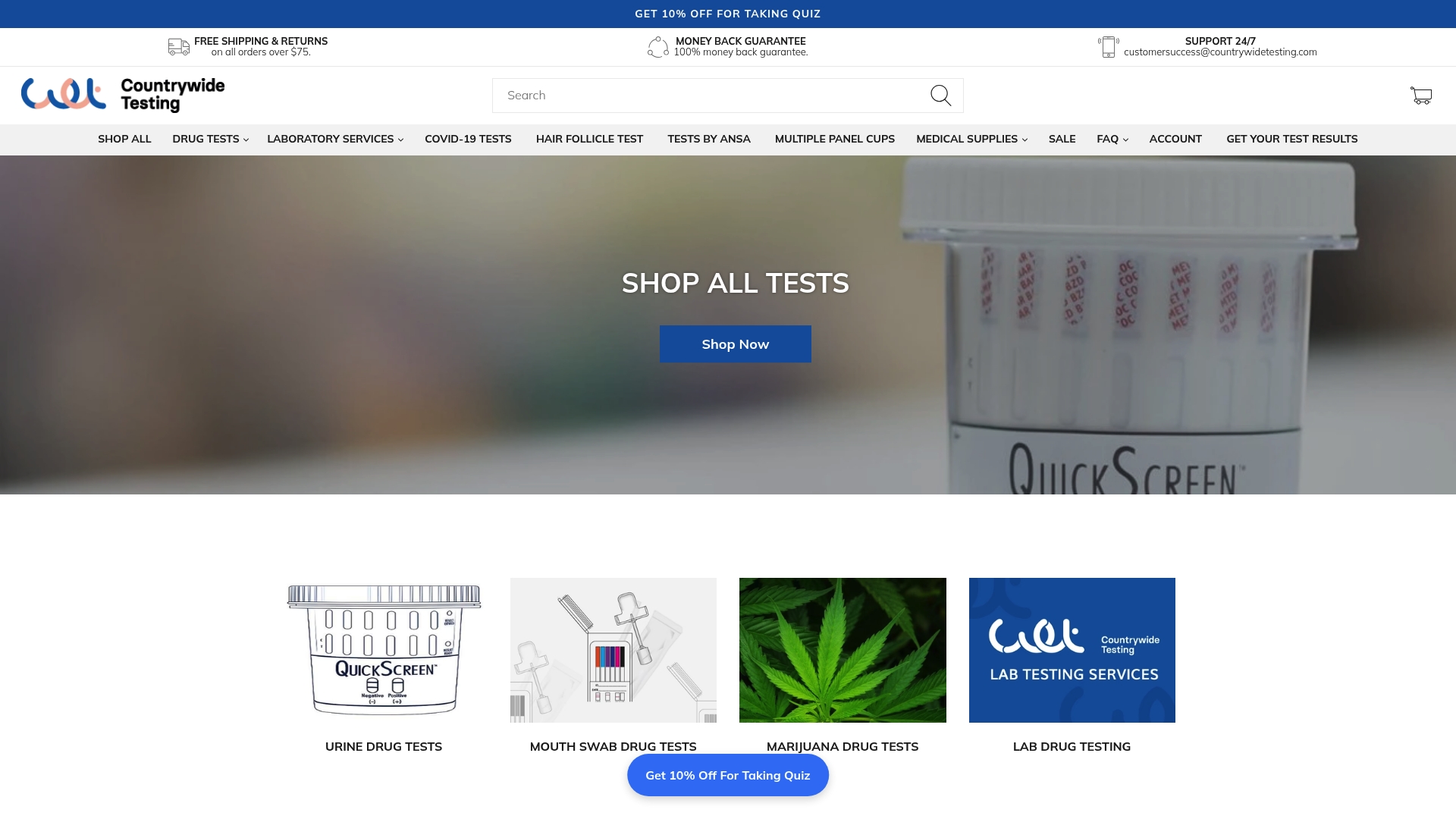
Whether you need a single 12-panel at-home test for personal peace of mind or a full DOT-compliant testing program for your workforce, Countrywidetesting connects you with SAMHSA-certified labs and supports the paperwork that keeps results defensible. Specialty needs, like steroid screening, are covered too, without the runaround of finding a separate vendor. Request a quote or place an order directly on the lab testing services page to get pricing specific to your situation, individual or employer, before you commit to a program.
Where to Verify These Figures
- SAMHSA workplace drug testing resources and the 2021 NSDUH national survey
- DOT Part 40 regulations for federally regulated testing
- Checkr’s employer pricing breakdown and UCHealth’s clinical testing overview
Frequently Asked Questions
How much is a drug test for a job? Pre-employment screening typically costs employers $30 to $75 for a standard urine panel, though DOT-regulated positions run $50 to $125 per test once MRO review is included.
What’s the difference between a screening and a confirmatory test? A screening test gives a quick preliminary result. A confirmatory test, using GC/MS or LC-MS/MS methods, chemically verifies a positive screen and is required for legal or employment disputes, adding to the total cost.
Do employers or employees pay for drug testing? Employers almost always cover pre-employment, random, and DOT-mandated testing costs. Individuals typically pay out of pocket for personal, court-ordered, or family-related testing.
Are at-home drug test kits accurate enough for legal use? Retail instant kits work for personal screening but generally aren’t accepted for court, custody, or employment disputes, which require a SAMHSA-certified lab result with documented chain of custody.
Why does DOT drug testing cost more than a regular test? DOT testing includes mandatory MRO physician review, strict chain-of-custody procedures, and often Clearinghouse reporting, all federally required steps that add cost beyond a standard lab panel.
This article is general information, not a substitute for advice from a qualified doctor. Consult a qualified healthcare professional about your own circumstances before acting on anything here.
Sources
- Drug Test Cost Comparison: What Employers Pay for Different Screening Methods | Checkr
- How Much Is a DOT Drug Test? Prices and Who Pays - LegalClarity
- Drug Tests & Breathalyzers | Walgreens
- Workplace drug testing resources | SAMHSA