
What Employers Should Budget for Workplace Drug Testing
A single instant urine test can run as little as $5, while a DOT-regulated hair test with full compliance support can top $300. Most employers land somewhere between $30 and $100 per test once you factor in lab confirmation, and the real budgeting work happens around that number, not just at it. Panel size, whether the test is instant or lab-confirmed, where the collection happens, DOT status, and how many tests you’re buying all move that price up or down. Smart budgeting means pricing the individual test AND setting aside a program-level line for administration and the occasional confirmatory or return-to-duty cost.
TL;DR:
- Employers should budget for confirmatory testing, administrative costs, and potential outlier cases, as these often double or triple the initial per-test price.
- DOT-regulated tests including MRO review and certified labs can cost between $50 and $125 per test, with added expenses for return-to-duty and ongoing compliance.
- Large employers with frequent testing benefit from volume discounts and pooled testing strategies that reduce per-test and administrative costs.
- Accurate budgeting requires considering program lifecycle expenses, not just the raw test price, to avoid underestimating total annual testing costs.
Table of Contents
- Workplace Drug Testing Cost by Test Type
- What Actually Drives the Price of a Drug Test?
- How Much Does DOT-Regulated Testing Cost?
- The Hidden Costs Most Testing Budgets Miss
- Sample Budgets and Ways to Cut Program Costs
- What Does It Cost You NOT to Test?
- How Countrywidetesting Supports Compliant Testing Programs
- Why Most Employers Get Testing Budgets Wrong
- Get a Custom Quote for Compliant Lab Testing
- Where to Verify These Figures
- Sources
Workplace Drug Testing Cost by Test Type
The type of test you choose changes the price more than almost any other variable. Here’s what each method actually costs employers, and where it fits into a screening program.
Instant urine tests are the budget workhorse of pre-employment and reasonable-suspicion screening. These point-of-collection cups deliver results in five to ten minutes and typically run $5 to $25 per test. They detect drug use going back roughly one to three days, depending on the substance, which makes them a poor fit for anything requiring a longer look-back window. Because there’s no lab involved unless the result comes back non-negative, this is the cheapest way to screen large applicant pools quickly.
Lab-based urine testing costs more but carries more weight. According to Checkr’s pricing research, lab-based urine tests typically start around $50, with the final price shaped by panel size:
- 5-panel screens (the traditional SAMHSA-5, covering marijuana, cocaine, opiates, amphetamines, and PCP) sit at the lower end of lab pricing.
- 10-panel screens add drugs like benzodiazepines, barbiturates, and methadone, pushing the price higher.
- 12-panel screens cover an even broader range, including synthetic opioids, and command the highest per-test fee among urine options.
Any non-negative screening result triggers confirmatory testing, almost always gas chromatography/mass spectrometry, which adds cost but also legal defensibility.
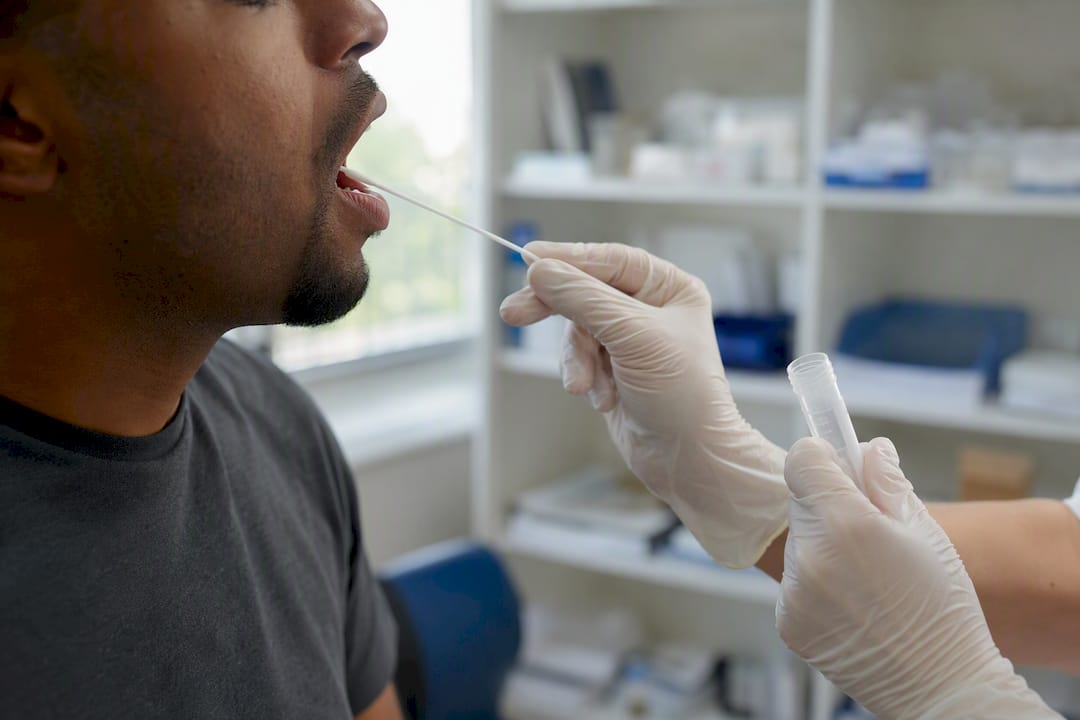
Oral fluid (saliva) tests run about $45 to $90 and have become popular for random and on-site testing programs because collection is fast, observed easily, and hard to adulterate. The detection window is short, generally 24 to 48 hours, which makes saliva testing a strong match for suspected same-day or recent use rather than a broad historical screen.
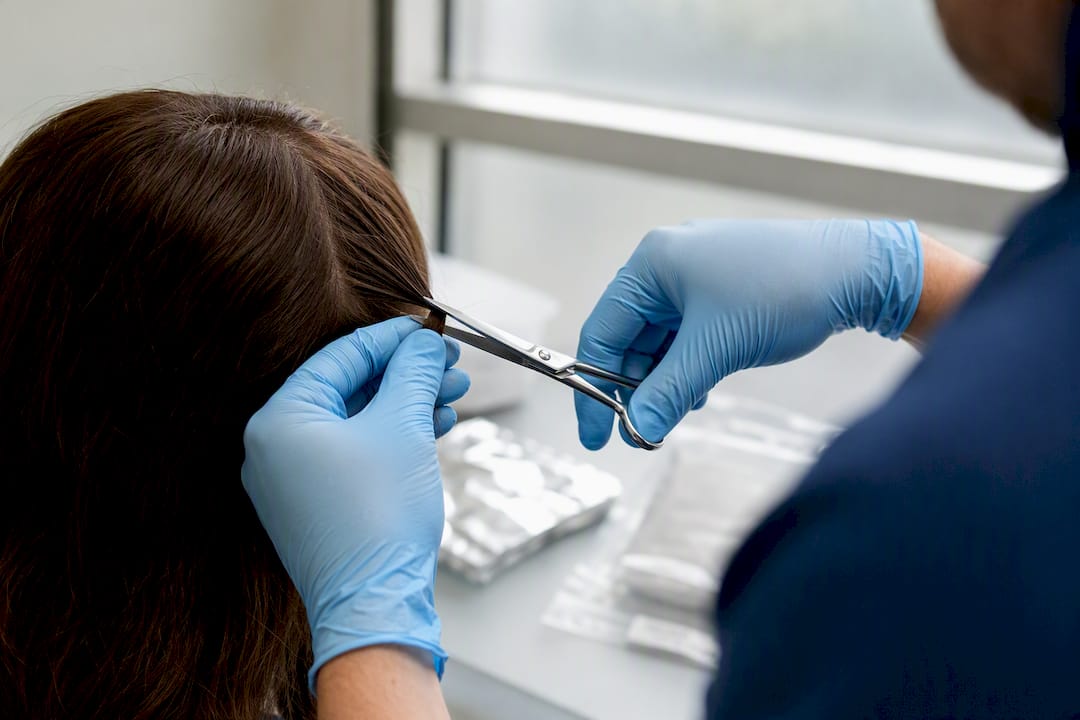
Hair follicle testing costs $125 to $300 and looks back roughly 90 days, the longest window of any common method. Employers in safety-sensitive industries or those building a pattern-of-use case often choose hair testing specifically because a single positive urine test can’t capture recurring behavior the way a 90-day hair sample can.
Blood testing runs $100 to $200 and is the most invasive and least common method for routine workplace screening. It’s typically reserved for post-accident investigations or specific clinical situations where precise, real-time impairment levels matter more than a broad detection window.
At-home test kits deserve a caveat. They’re inexpensive and useful for parents or individuals checking their own status, but they’re a poor fit for employer compliance programs. Without observed, chain-of-custody collection, results won’t hold up for DOT purposes or in any scenario where a positive result might lead to termination or legal dispute. If you’re weighing kit options for a non-regulated internal check, it helps to understand which test formats employers rely on most before committing to a method that won’t survive scrutiny.
What Actually Drives the Price of a Drug Test?
Two employers testing for the exact same drugs can pay wildly different amounts, and the gap almost always traces back to five controllable variables.
Panel size is the biggest lever. Moving from a 5-panel to a 10-panel screen typically adds a meaningful percentage to the per-test cost because the lab has to run additional assays on the same specimen. It’s not a linear cost per added drug. Labs often bundle expanded panels at a smaller markup than you’d expect, but it’s still real money across thousands of annual tests.
Confirmatory testing is the second major cost driver. Every non-negative screen should trigger a confirmation, and that step alone can cost as much as the initial screen. GAO-collected data found per-test direct costs across federal agencies ranging from $8.70 to $223.54, a spread driven almost entirely by how much confirmatory and specialty testing was layered onto the base screen.
Collection setting changes staffing costs even when the test itself is identical. On-site collection with trained staff costs more upfront but saves employee time. Clinic-based collection shifts the cost to travel and paid time away from work. Third-party mobile collectors add a dispatch fee but simplify chain-of-custody documentation.
Volume pricing rewards employers who test consistently. Vendors routinely offer bundled rates, subscription-style pricing, or per-test discounts once your monthly or annual volume clears a threshold, which is why smaller employers often pay noticeably more per test than large ones with dedicated testing consortiums.
Rush turnaround carries its own premium. Standard lab turnaround runs two to five business days; expedited results, when labs offer them, typically add a surcharge on top of the base test price.
Pro Tip: Ask any vendor quote to break out the screen price, the confirmation price, and any rush fee separately. Bundled quotes often hide which line item is actually driving your total cost.
How Much Does DOT-Regulated Testing Cost?
Federally regulated testing under DOT Part 40 carries mandatory components that non-regulated employers simply don’t face, and each one adds to the bill.
- SAMHSA-certified lab analysis is non-negotiable for DOT specimens. This requirement alone rules out cheaper, non-certified labs and typically bundles into a $50 to $125 total per test once collection and review are included.
- Medical Review Officer (MRO) review is required for every DOT test result before it’s reported. MRO services often carry a per-review or subscription fee separate from the lab charge itself.
- Clearinghouse queries and consortium membership add ongoing cost. Employers with small fleets frequently join a consortium to share collection infrastructure and MRO access rather than building it independently, which LegalClarity’s cost breakdown notes tends to run cheaper per driver than a solo program.
- Return-to-duty processes are the biggest wildcard. A Substance Abuse Professional (SAP) evaluation, required treatment, and follow-up testing can push return-to-duty costs to $1,000 to $5,000 or more per case, according to the same DOT-focused reporting.
A small fleet with five drivers might budget $500 to $800 a year for random and pre-employment testing alone, before factoring in a single return-to-duty event. A larger regulated employer with fifty drivers usually sees a lower per-test rate through consortium pricing but a proportionally larger annual exposure if multiple employees need SAP evaluations in the same year.
The Hidden Costs Most Testing Budgets Miss
The per-test price on a vendor’s rate sheet is rarely the number that shows up on your actual annual spend. Checkr’s research on employer testing costs points to administrative and remediation expenses adding 20% to 100% on top of the raw per-test bill, depending on company size and how the program is run.
- Administrative staff time for scheduling, tracking results, and managing vendor relationships, whether handled internally or billed as a vendor administration fee.
- Employee paid time for off-site collection trips, plus any mileage or travel reimbursement your policy covers.
- Chain-of-custody documentation and storage, which carries real cost when results need to hold up in a legal dispute or workers’ comp claim.
- Positive-result fallout, including internal investigations, temporary staffing to cover a suspended employee, and the return-to-duty process outlined above.
- A contingency line item for the rare, expensive event, a SAP evaluation, a legal challenge to a result, that won’t happen every year but will happen eventually.
Building a workplace testing program without accounting for these line items is the single most common way HR departments underestimate cost of employee drug testing on paper and get surprised by the real number in December. Following a documented workplace testing procedure from the start keeps most of these costs predictable rather than reactive.
Sample Budgets and Ways to Cut Program Costs
Three quick sketches show how the math scales:
- Small employer (20 employees, non-DOT): roughly $30 to $50 per test, 15 to 20 annual tests, plus a modest administration fee, lands most small programs at $700 to $1,200 a year, with a $300 to $500 contingency reserve for confirmations or disputes.
- Mid-size employer (150 employees, mixed panels): volume discounts typically bring the per-test rate down to $35 to $60, but confirmatory testing and occasional hair panels for safety-sensitive roles push the realistic annual budget to $6,000 to $10,000.
- Larger regulated employer (500+ employees, DOT-covered roles included): consortium pricing lowers the per-driver DOT rate, but MRO subscription fees, Clearinghouse costs, and at least one or two return-to-duty cases a year push realistic budgets past $30,000 annually.
To calculate a break-even point on prepaid or volume contracts, divide the vendor’s upfront or annual fee by your per-test savings versus a la carte pricing; if you’re not hitting that test count, a volume contract can cost you more than paying per test.
Pro Tip: Random, pooled testing programs (drawing a percentage of your workforce each quarter rather than testing everyone) cut both test volume and administrative load while still satisfying most DOT and company-policy requirements.
Negotiate MRO fee caps, ask for confirmation-testing discounts bundled into your base contract, and request a guaranteed turnaround clause before signing with any vendor.
What Does It Cost You NOT to Test?
Skipping a testing program has a price too, and it’s a bigger number than most HR budgets acknowledge. A NORC analysis conducted with the National Safety Council found that employers lose an average of $8,817 per year for each employee with an untreated substance use disorder, driven by lost productivity, absenteeism, and turnover.
The math employers should actually run: If a $50 lab-confirmed test prevents even one avoidable incident tied to a $8,817 productivity loss, your program has already paid for roughly 176 tests before you’ve spent a dollar on anything else.
A simple ROI worksheet needs three inputs: your average per-test cost, the estimated incidence rate of substance use in your workforce (industry benchmarks vary widely), and the average cost of an incident, whether that’s absenteeism, turnover, or a safety event. Divide the incident cost by your per-test cost to see how many tests you’d need to prevent one incident to break even.
The National Safety Council’s research on workplace substance use also documents elevated absenteeism and turnover risk tied to substance use, both of which compound quietly over a full year in ways a single incident report never captures. Add safety incidents and potential regulatory fines to that equation, and the non-financial case for testing gets stronger even before you touch the dollar figures.
How Countrywidetesting Supports Compliant Testing Programs
Budgeting only matters if the program behind it holds up to scrutiny, legal, regulatory, and otherwise. Countrywidetesting works with laboratories certified to SAMHSA, CLIA, and CAP standards, which means results are processed to the same benchmarks federal agencies and courts expect.
That matters for two reasons: it protects you if a result is ever challenged, and it means you’re not paying for a cheaper test today that costs you a legal headache later.
- Access to licensed lab partnerships for confirmatory testing, not just point-of-collection screening.
- Product and service pages covering how to structure a compliant testing workflow from collection through documentation.
- Guidance for employers new to program design, including what to know before testing employees for the first time.
- Support for both individual orders and bulk or enterprise quoting for larger, ongoing programs.
Why Most Employers Get Testing Budgets Wrong
Most cost-of-testing guides treat the per-test price as the whole answer, and that’s the mistake worth correcting first. The number on a vendor’s rate card tells you almost nothing about what a real program costs across a year, because it excludes confirmation rates, administrative hours, and the one or two expensive outlier cases that show up eventually in any workforce large enough to test regularly.
The conventional advice, shop for the lowest per-test price, actually works against employers here. A cheap instant cup with no confirmation pathway or documentation trail is a liability dressed up as a bargain. The employers who get this right treat testing as a program with a lifecycle cost, not a transaction, and they build a contingency line into the budget from day one rather than reacting when a positive result triggers a return-to-duty process nobody planned for.
If you take one thing from this guide, budget the administrative layer before you shop for the cheapest test. The test price is the easy number. The program cost is the real one.
— Alan
Get a Custom Quote for Compliant Lab Testing
Countrywidetesting gives you a faster path to compliant testing than piecing together a program from a lab here and a collection service there. Every test routes through laboratories certified under SAMHSA, CLIA, and CAP standards, so you’re not choosing between speed and defensibility.
Whether you need a handful of pre-employment screens or an enterprise-scale volume contract with locked-in confirmation pricing, Countrywidetesting’s lab testing services page walks through the options and lets you request a quote scaled to your headcount and testing frequency. If your program includes DOT-covered roles, mention that when requesting pricing so your quote reflects MRO and certified-collector requirements from the start. Reach out through the lab testing services page to get a number you can actually build a budget around.
Where to Verify These Figures
- SAMHSA’s national reporting covers laboratory certification standards and cutoff levels referenced throughout this guide.
- DOT Part 40 lays out the federal requirements behind every regulated-program cost mentioned above.
- The GAO’s GGD-92-99 report and NORC’s employer cost analysis supply the statistical backbone for the per-test ranges and ROI figures cited here.
Sources
- Drug Test Cost Guide: How Much Employers Pay for Pre-Employment Screening | Checkr
- GGD-92-99 Employee Drug Testing: Estimated Cost to … | U.S. GAO
- DOT Part 40 | U.S. Department of Transportation
- New analysis — employers stand to save an average of $8,500 for SUD interventions | NORC
- Implications of drug use for employers | National Safety Council