
Drug Screening Workflow for Clinics: Ensure Compliance Easily
Managing consistent drug screening in busy clinics can feel daunting when every step must meet strict American regulations and ensure quality patient care. As scrutiny around substance use grows, finding a reliable workflow that supports both compliance and accuracy is more important than ever. This guide highlights comprehensive screening protocols and practical methods to help clinic administrators in North America meet SAMHSA standards while reducing the risk of false positives in clinical practice.
Table of Contents
- Step 1: Establish Clinic Drug Screening Protocols
- Step 2: Identify Appropriate Testing Methods and Supplies
- Step 3: Collect and Document Patient Samples Securely
- Step 4: Submit Specimens to Certified Laboratories
- Step 5: Verify Results and Resolve Any Discrepancies
- Step 6: Maintain Records and Review Workflow Performance
Quick Summary
| Key Insight | Explanation |
|---|---|
| 1. Establish clear protocols | Develop standardized drug screening protocols to ensure consistent and sensitive patient assessments. |
| 2. Select appropriate testing methods | Choose testing methods like urine, blood, hair, or oral fluid based on clinical objectives and patient needs. |
| 3. Implement secure sample collection | Use standardized procedures for specimen collection, preserving patient confidentiality and documentation accuracy. |
| 4. Verify results and resolve discrepancies | Thoroughly review test results and have a clear protocol for handling unexpected results to ensure accuracy. |
| 5. Maintain comprehensive records | Keep electronic records and review workflow performance regularly to ensure compliance and promote continuous improvement. |
Step 1: Establish Clinic Drug Screening Protocols
Establishing robust drug screening protocols is crucial for maintaining patient safety and clinical compliance. Your workflow will define clear procedures for identifying potential substance use issues across your patient population.
Begin by developing a standardized approach that incorporates comprehensive screening recommendations for adult patients. The screening process should include systematic questioning techniques and precise documentation methods. Focus on creating a protocol that allows medical professionals to consistently and sensitively assess potential drug use risks. This means designing intake forms, defining screening intervals, and establishing clear referral pathways for patients who may require additional substance use intervention.
When implementing your protocol, consider creating step-by-step guidelines that outline exactly how clinicians should conduct screenings. Include specific instructions for administering screening questionnaires, interpreting results, and maintaining patient confidentiality. Your protocol should also specify which standardized screening tools will be used and provide training resources to ensure all staff members understand the proper implementation.
Pro Tip: Develop a digital workflow checklist that clinicians can easily reference during patient interactions to ensure consistent and comprehensive drug screening procedures.
Step 2: Identify Appropriate Testing Methods and Supplies
Selecting the right drug screening methods and supplies is a critical step in developing a comprehensive clinical testing workflow. Your goal is to choose testing approaches that provide accurate results while meeting regulatory standards and patient needs.
Begin by understanding the clinical guidelines for drug testing methods, which outline various testing options including urine, blood, hair, and oral fluid tests. Each method offers unique advantages depending on your specific clinical objectives. Urine tests are typically most common due to their cost effectiveness and wide detection window. Blood tests provide the most precise current substance levels, while hair follicle tests can detect long term usage patterns. Oral fluid tests offer quick and noninvasive screening with shorter detection times.
When selecting testing supplies, prioritize certified laboratory equipment that meets clinical standards. Ensure your chosen methods align with your clinic’s specific screening goals, patient population, and regulatory compliance requirements. Consider factors like detection sensitivity, turnaround time, and the specific substances you need to screen. Develop a standardized procurement process that guarantees consistent quality and maintains a reliable inventory of testing materials.
Here’s a comparison of common drug screening methods and their clinical applications:
| Testing Method | Detection Window | Clinical Advantages | Typical Use Cases |
|---|---|---|---|
| Urine | Several days | Cost effective, broad detection | Routine initial screening |
| Blood | Hours to 1-2 days | Precise, current substance levels | Confirmatory tests |
| Hair Follicle | Up to 90 days | Long-term pattern detection | Substance abuse histories |
| Oral Fluid | Up to 24-48 hours | Quick, noninvasive screening | Workplace random checks |
Pro Tip: Establish relationships with multiple certified laboratory supply vendors to ensure continuous access to high quality testing materials and backup options.
Step 3: Collect and Document Patient Samples Securely
Secure sample collection and documentation are fundamental to maintaining the integrity of your drug screening workflow. Your primary objectives are to protect patient privacy, ensure accurate testing, and meet rigorous clinical documentation standards.
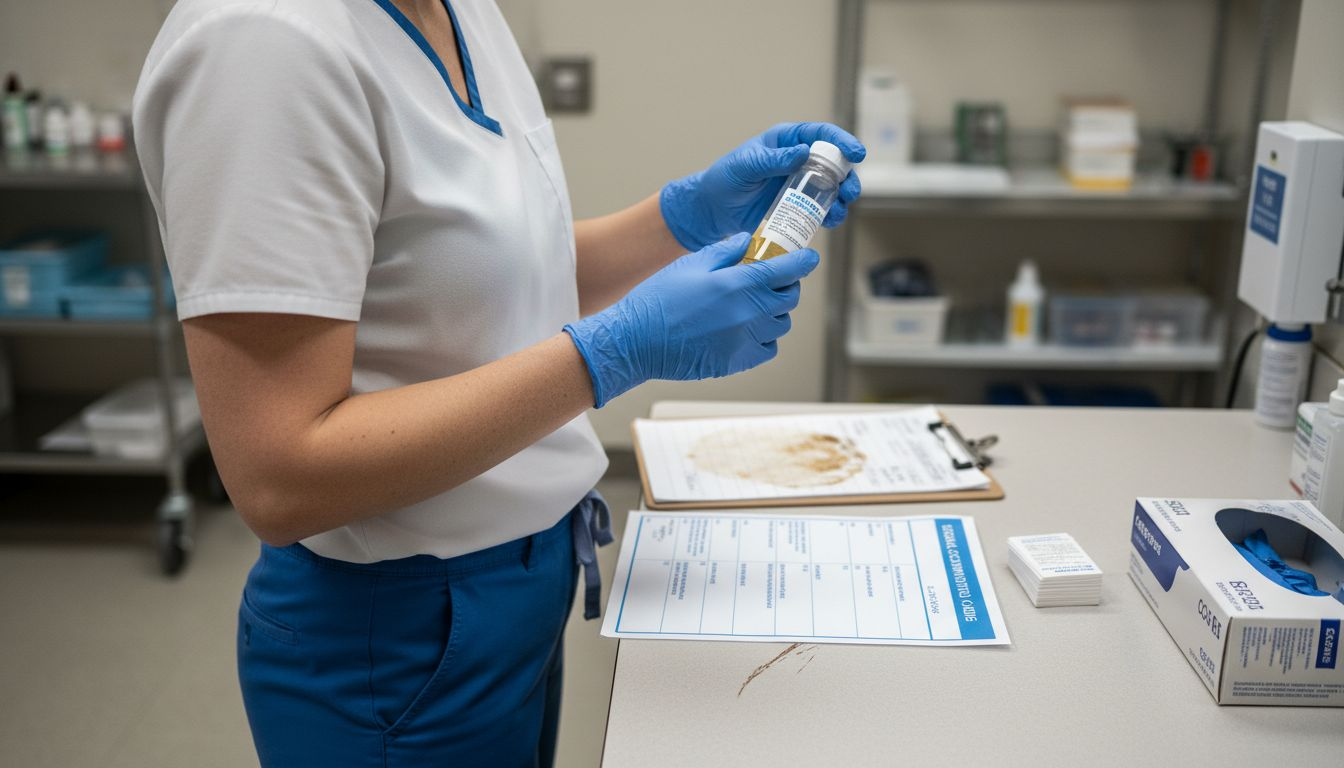
Begin by implementing comprehensive specimen collection protocols that guarantee patient confidentiality and sample traceability. Each sample must be collected using standardized procedures that minimize contamination risks. This means using sterile collection containers, wearing appropriate personal protective equipment, and establishing a clear chain of custody for each specimen. Ensure that every sample receives a unique identifier immediately upon collection to prevent mix ups or errors. Train your staff to follow strict biosafety protocols and maintain meticulous documentation throughout the collection process.
Documentation is critical in maintaining the legal and medical validity of your drug screening results. Record all collection details contemporaneously using legible and accurate methods. This includes documenting the exact time of collection, the collector’s name, patient identification information, and any relevant observations. Create a standardized form that captures all necessary information and ensures compliance with medical record keeping requirements. Implement digital tracking systems when possible to enhance accuracy and provide an additional layer of documentation security.
Pro Tip: Create laminated quick reference guides for staff that outline precise sample collection and documentation steps to minimize human error during the process.
Step 4: Submit Specimens to Certified Laboratories
Submitting drug screening specimens to certified laboratories requires precision, attention to detail, and strict adherence to regulatory standards. Your primary goal is to ensure accurate and legally defensible testing results through proper specimen handling and submission.
Begin by understanding the federal specimen submission regulations that govern laboratory testing. Only submit specimens to Clinical Laboratory Improvement Amendments (CLIA) certified laboratories or those with equivalent accreditation. Carefully prepare each specimen by verifying its unique identifier, ensuring appropriate packaging, and maintaining the required temperature and preservation conditions during transport. Create a comprehensive tracking system that documents every step of the specimen transfer process including collection time, transport method, and receiving laboratory details.
Prepare detailed documentation to accompany each specimen submission. Include patient identification information, collection timestamp, test type requested, and any relevant medical history that might impact test interpretation. Use standardized forms that comply with medical record keeping requirements and provide clear instructions for laboratory personnel. Consider implementing digital tracking systems that offer real time specimen status updates and provide an additional layer of documentation security.
Pro Tip: Develop a digital checklist with automatic validation steps to prevent common specimen submission errors and ensure complete documentation before shipping.
Step 5: Verify Results and Resolve Any Discrepancies
Verifying drug screening results and effectively resolving potential discrepancies are critical steps in maintaining the accuracy and reliability of your clinical testing workflow. Your primary objective is to ensure that every test result undergoes thorough scrutiny before final reporting.
Begin by implementing comprehensive analytical result validation protocols. This involves carefully reviewing each test result against established reference standards, checking for system suitability, and examining the accuracy of analytical methods. When unexpected or unusual results emerge, initiate a systematic review process. Compare the current results with previous patient history, validate the specimen integrity, and consider potential factors that might have influenced the testing outcome. Consult with the certified laboratory that processed the specimen to discuss any anomalies and determine the most appropriate next steps.
Develop a clear communication protocol for addressing result discrepancies. This should include specific procedures for retesting, obtaining additional specimens if necessary, and engaging medical review officers when complex situations arise. Establish a transparent decision making framework that prioritizes patient safety and diagnostic accuracy. Document all steps of the verification and resolution process meticulously, creating a clear audit trail that demonstrates your clinic’s commitment to precision and compliance.
Pro Tip: Create a standardized discrepancy resolution template that guides staff through a consistent decision making process and ensures no critical steps are overlooked.
Step 6: Maintain Records and Review Workflow Performance
Maintaining comprehensive records and systematically reviewing your drug screening workflow performance are essential for ensuring regulatory compliance and continuous quality improvement. Your goal is to create a transparent, traceable system that supports ongoing operational excellence.
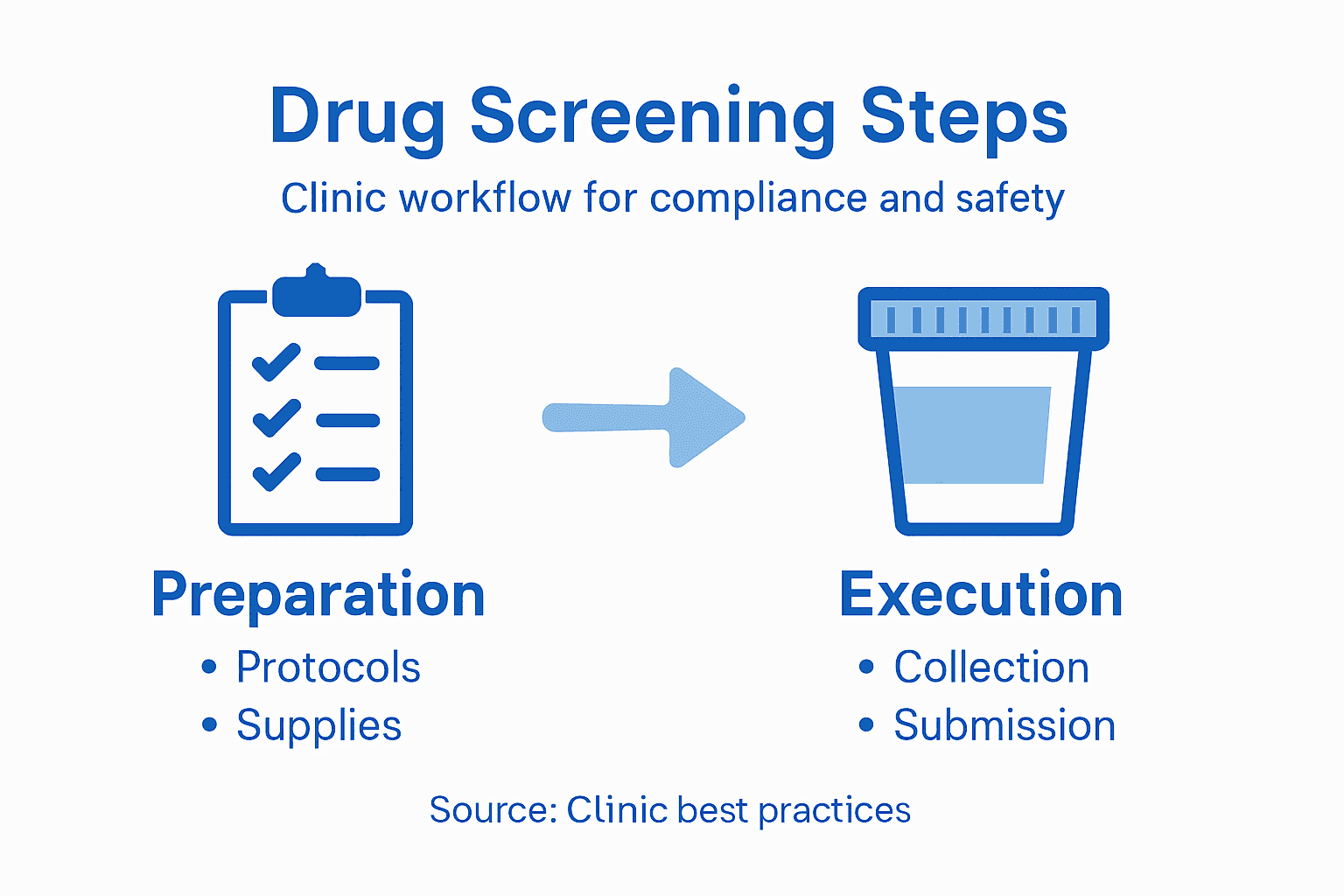
Implement electronic record tracking protocols that capture every critical detail of your drug screening process. Create digital logs that document specimen collection, laboratory submission, result verification, and any discrepancy resolution. These electronic records should be interoperable, allowing seamless information exchange while maintaining strict patient confidentiality. Develop a standardized tracking system that timestamps each workflow stage, enabling precise performance measurement and rapid identification of potential bottlenecks or areas requiring optimization.
Establish a regular performance review schedule to analyze your workflow metrics systematically. This should include quantitative assessments such as turnaround times, error rates, and result accuracy percentages. Create visual dashboards that help your team quickly understand workflow performance trends. Encourage collaborative discussions about improvement opportunities, and develop actionable strategies based on your performance data. Implement continuous training programs that address any identified weaknesses and reinforce best practices across your clinical team.
Below is a summary of key performance indicators for evaluating your drug screening workflow:
| KPI | What It Measures | Business Impact | Review Frequency |
|---|---|---|---|
| Turnaround Time | Time for results | Patient satisfaction, compliance | Quarterly |
| Error Rate | Process mistakes | Quality control, reputation | Quarterly |
| Result Accuracy % | Correct results | Clinical reliability | Quarterly |
| Specimen Traceability | Documentation integrity | Regulatory audit readiness | Quarterly |
Pro Tip: Design quarterly performance review templates with predefined key performance indicators to streamline your workflow assessment and maintain consistent evaluation standards.
Simplify Your Clinic’s Drug Screening Workflow with Trusted Solutions
Implementing a compliant and efficient drug screening workflow in your clinic involves many critical steps such as establishing protocols, selecting the right testing methods, and securely collecting and submitting specimens. These tasks can often feel overwhelming when trying to ensure compliance with regulations like CLIA and SAMHSA while maintaining patient confidentiality and result accuracy. Key challenges include managing specimen traceability, validating results, and maintaining thorough documentation to protect your clinic and patients.
At CountryWideTesting.com, we understand these complexities and offer a comprehensive range of drug and alcohol testing products and certified laboratory services designed specifically for clinics seeking reliable, compliant solutions. Our platform connects you with licensed laboratories that meet rigorous standards including ISO and CAP, ensuring trustworthy processing and timely turnaround. From urine and mouth swab drug tests to custom lab testing options, we provide the tools to build confidence in your clinical workflow while supporting proper chain-of-custody and documentation needs.
Take control of your clinic’s drug screening process today with proven resources and expert-backed testing supplies. Visit CountryWideTesting.com now to explore testing options and request services that align perfectly with the operational protocols and patient safety measures outlined in professional clinical guidelines. Ensure compliance easily and confidently so your team can focus on delivering exceptional care.
Frequently Asked Questions
What steps should I take to establish drug screening protocols in my clinic?
To establish drug screening protocols, begin by developing a standardized approach that includes comprehensive screening recommendations for adult patients. Focus on clear procedures, intake forms, and training resources for staff to ensure consistent and sensitive assessments of potential substance use risks.
How do I choose the appropriate drug testing methods for my clinic?
Choose drug testing methods by understanding clinical guidelines that outline various testing options such as urine, blood, hair, and oral fluid tests. Consider factors such as detection sensitivity and turnaround time to select methods that align with your clinic’s specific screening goals and patient needs.
What are the best practices for securely collecting and documenting patient samples?
To securely collect and document patient samples, implement protocols that ensure confidentiality and sample traceability. Use sterile collection containers, document collection details contemporaneously, and establish a clear chain of custody for each specimen to maintain integrity and compliance.
How can I verify drug screening results and resolve discrepancies?
Verify drug screening results by reviewing each test against established reference standards and examining the accuracy of analytical methods. If discrepancies arise, initiate a review process, consult with the laboratory, and document every step taken to resolve any issues before final reporting.
What key performance indicators should I track for my drug screening workflow?
Track key performance indicators such as turnaround time, error rate, and result accuracy to evaluate your drug screening workflow. Establish a regular review schedule to analyze these metrics and develop actionable strategies for continuous improvement based on the data collected.