
How to Interpret Lab Drug Test Results for HR Compliance
About one in twenty American workers tests positive on workplace drug screens each year, creating real challenges for compliance and employee safety, especially in logistics. HR professionals know every test result can carry major legal and operational risks. Understanding exactly how to verify lab reports, spot certification gaps, and interpret complex findings can make all the difference in keeping your American workplace safe, compliant, and fully prepared for audits.
Table of Contents
- Step 1: Review Lab’s Certification And Sample Validity
- Step 2: Match Test Request To Reported Substances
- Step 3: Compare Detection Thresholds To Guidelines
- Step 4: Analyze Positive, Negative, And Inconclusive Findings
- Step 5: Verify Final Report For Accuracy And Compliance
Quick Summary
| Key Point | Explanation |
|---|---|
| 1. Verify Lab Certification | Confirm the laboratory’s certification and compliance with HHS standards to ensure accurate drug testing results. |
| 2. Match Test Requests Accurately | Ensure that reported substances align exactly with the original testing parameters for reliable interpretations. |
| 3. Assess Detection Thresholds | Compare substance levels against established cutoff values to effectively minimize false positives in test results. |
| 4. Understand Result Types | Distinguish between positive, negative, and inconclusive results to handle outcomes with appropriate actions. |
| 5. Conduct Final Report Review | Thoroughly verify the laboratory report for accuracy, compliance, and complete documentation before making decisions. |
Step 1: Review lab’s certification and sample validity
When managing workplace drug testing, verifying the laboratory’s credibility is your first critical checkpoint. HR professionals must carefully examine lab certification standards to ensure accurate and legally defensible results. The Department of Health and Human Services (HHS) provides monthly lists of certified laboratories that meet rigorous drug testing requirements.
The certification process involves multiple validation steps to confirm sample integrity. Laboratories undergo strict screening for specimen validity, checking critical parameters like creatinine levels, pH balance, and specific gravity. These tests help detect potential sample manipulation or substitution, protecting your organization from unreliable testing outcomes. Certified labs follow SAMHSA guidelines which mandate comprehensive quality control protocols to maintain testing accuracy.
When reviewing drug test results, look for documentation confirming the laboratory’s current HHS certification, ensure all specimens underwent complete validity testing, and verify the chain of custody for each sample. Consistent documentation demonstrates the laboratory’s commitment to professional standards and helps protect your organization from potential legal challenges.
Pro Tip: Request a copy of the laboratory’s current certification and most recent proficiency testing results before finalizing any drug testing partnership.
Here’s a summary of key sample validity parameters used by certified laboratories:
| Parameter | Purpose | Business Impact |
|---|---|---|
| Creatinine Level | Detects dilution or tampering | Ensures specimen integrity |
| pH Balance | Checks for chemical manipulation | Protects from false negative results |
| Specific Gravity | Identifies substitution or dilution | Strengthens legal defensibility |
| Chain of Custody | Tracks sample handling history | Demonstrates regulatory compliance |
Step 2: Match test request to reported substances
Matching the test request to reported substances requires a meticulous and systematic approach to ensure accurate interpretation of drug test results. HR professionals must carefully verify that the substances tested precisely align with the original testing parameters and workplace screening requirements. Forensic drug analysis involves a comprehensive process of initial screening and confirmatory testing to provide precise substance identification.
The verification process begins by comparing the specific substances requested on the original test order with the laboratory report. Confirmatory tests like gas chromatography mass spectrometry (GC-MS) provide definitive substance identification, eliminating potential false positives from initial screening methods. Look for detailed documentation that demonstrates exact correspondence between the requested panel of substances and the reported findings, ensuring that each substance has been thoroughly and accurately tested.
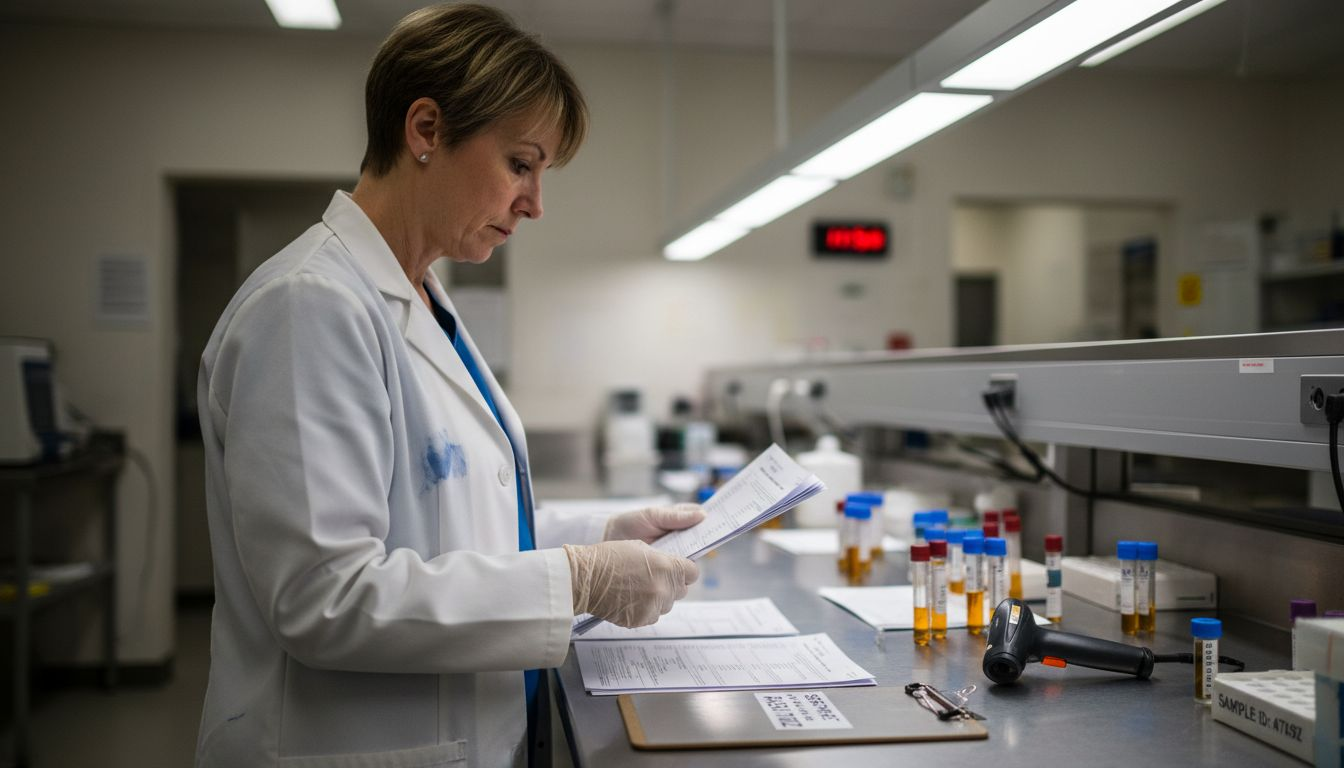
Pay close attention to the testing methodology and ensure that the laboratory has followed a systematic approach in reporting results. Verify that all requested substances are comprehensively addressed, and any deviations or additional findings are clearly explained. This careful matching process protects both the employer and employee by maintaining transparency and accuracy in drug testing procedures.
Pro Tip: Always request a comprehensive report that explicitly maps each tested substance to the original test request, providing clear documentation of the testing process.
Step 3: Compare detection thresholds to guidelines
Successfully interpreting drug test results requires a precise understanding of detection thresholds established by federal regulations. HR professionals must carefully compare laboratory findings against official cutoff levels that determine whether a test result is considered positive. These scientifically established thresholds are crucial for minimizing false positives and ensuring fair workplace drug screening practices.
The comparison process involves examining the concentration of detected substances against standardized guidelines. Each drug category has specific threshold levels for initial screening and confirmatory tests. For instance, different substances like marijuana, cocaine, and opiates have unique concentration limits that trigger a positive result. Carefully review the laboratory report to confirm that detected substance levels exceed these predefined cutoffs, which are designed to distinguish between incidental exposure and actual drug use.
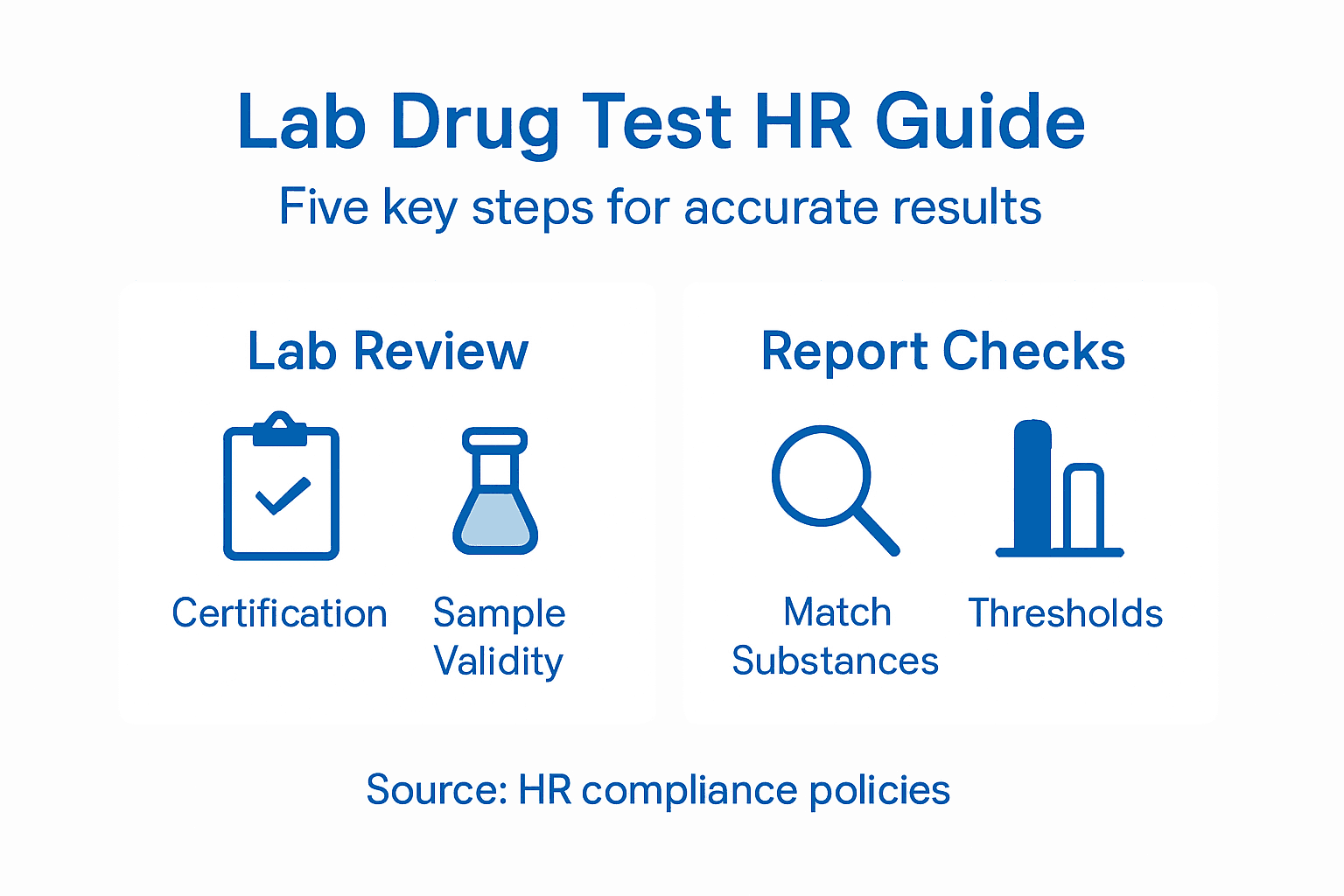
International quality standards provide additional frameworks for interpreting these thresholds. Harmonized testing guidelines help ensure consistency across different jurisdictions and laboratory settings. Pay close attention to the specific testing methodology used, as this can impact how thresholds are applied and interpreted. Consistent application of these guidelines protects both employer interests and employee rights by maintaining a scientifically rigorous approach to drug testing.
Pro Tip: Always request a detailed report that explicitly lists the detection thresholds used for each substance, providing clear context for the test results.
Step 4: Analyze positive, negative, and inconclusive findings
Interpreting drug test results requires a nuanced understanding of the different possible outcomes. HR professionals must carefully distinguish between positive, negative, and inconclusive test scenarios to make informed workplace decisions. Each result category demands a specific approach to ensure fair and compliant handling of employee drug screening.
Positive results clearly indicate the presence of prohibited substances above established thresholds, requiring immediate follow up with the employee. Negative results demonstrate no detected substances or levels below regulatory cutoffs. Inconclusive results represent a complex middle ground where the laboratory cannot definitively confirm or rule out drug presence. Federal regulations provide specific guidance for managing these ambiguous scenarios, particularly for dilute or potentially compromised specimens. Some inconclusive results may necessitate retesting or additional medical review to determine the final status.
Carefully review federal guidelines for handling test outcomes that outline specific protocols for each result type. A dilute specimen accompanying a confirmed positive test is typically treated as a verified positive result, while negative dilute specimens might require additional verification. Understanding these nuanced distinctions helps HR professionals navigate complex drug testing scenarios with confidence and legal compliance.
Pro Tip: Develop a standardized internal protocol for managing each test result category to ensure consistent and fair workplace drug screening practices.
The table below compares typical workplace drug test result types and recommended HR actions:
| Result Type | Definition | HR Response |
|---|---|---|
| Positive | Substance detected above regulatory cutoff | Immediate employee follow-up |
| Negative | No substance or below detection threshold | No intervention required |
| Inconclusive | Cannot confirm/rule out drug presence | Retesting or additional review |
| Dilute | Specimen lacks normal concentration | Assess intent; may require retesting |
Step 5: Verify final report for accuracy and compliance
The final stage of drug test interpretation requires meticulous attention to detail to ensure regulatory compliance and reporting accuracy. HR professionals must conduct a comprehensive review of the laboratory report, examining every aspect with a critical eye to validate the document’s integrity and adherence to professional standards. Good Laboratory Practice principles provide essential guidelines for this critical verification process.
Careful verification involves multiple key checkpoints. First, confirm the laboratory’s full certification details and accreditation numbers. Verify that all personal information matches the original test subject exactly, including name, identification number, and collection date. Scrutinize the documentation for complete chain of custody information, ensuring no gaps or inconsistencies exist in the sample tracking process. Cross reference the reported substances and their concentrations against the original testing panel to confirm precise alignment.
Pay special attention to the formatting and completeness of the report. Examine technical details like specimen collection method, testing procedures, and confirmation test results. Look for clear documentation of the analytical methods used, including specific testing technologies and threshold levels. Verify that all necessary signatures are present and that the report includes comprehensive contact information for the testing laboratory, enabling further verification if required.
Pro Tip: Create a standardized internal checklist for report verification to ensure consistent and thorough review of every drug test documentation.
Ensure Accurate Drug Test Interpretation with Trusted Lab Services
Interpreting lab drug test results for HR compliance can feel overwhelming due to complex certification standards, detection thresholds, and sample validity issues. Many HR professionals face the challenge of verifying lab credentials, matching test requests to results, and managing inconclusive findings while maintaining legal compliance. CountryWideTesting.com simplifies this process by partnering exclusively with licensed laboratories that follow SAMHSA, CLIA, ISO, and CAP regulations, giving you confidence in the integrity and accuracy of every test.
Take the guesswork out of drug testing with reliable lab testing services designed for employers and organizations. Access detailed reports that align with federal detection thresholds and enjoy seamless verification to meet workplace compliance standards. Visit CountryWideTesting.com now to explore a full range of trusted drug and alcohol testing solutions that protect your business and simplify your compliance journey.
Frequently Asked Questions
How can I verify a laboratory’s certification for drug testing?
To verify a laboratory’s certification, check the current lists provided by the Department of Health and Human Services (HHS) to ensure they meet required standards. Request a copy of the laboratory’s current certification and proficiency testing results before initiating any drug testing partnership.
What should I do if I receive an inconclusive drug test result?
An inconclusive drug test result means that the laboratory could not confirm or rule out the presence of drugs. In this case, consider retesting the employee or conducting an additional medical review to clarify their status.
How can I ensure proper chain of custody during drug testing?
To ensure proper chain of custody, verify that the laboratory provides detailed documentation tracking the handling of each sample from collection to analysis. Look for reports that include timestamps and signatures at each point of custody transfer to maintain compliance and accountability.
What steps should I take if a drug test result is positive?
If a drug test result is positive, follow up with the employee immediately to discuss the findings and any next steps. Ensure you have a clear protocol for addressing positive results that may include additional testing or employee support resources.
How do I interpret the detection thresholds used in drug testing?
Detection thresholds are predefined levels that determine whether a substance is considered present in a drug test. Carefully compare the reported substance levels against these thresholds, as each drug has specific limits that trigger a positive result. Review laboratory reports to ensure that the detected levels exceed these cutoffs for valid interpretations.