
Master Rehab Drug Screening Workflow for Facilities
Rehabilitation facilities across North America face a complex challenge when building reliable drug screening workflows that satisfy both strict regulatory requirements and individual patient needs. For HR managers, understanding how to balance regulatory compliance with accurate assessments is the foundation for improving patient outcomes. This guide lays out each critical step, from evaluating your facility’s unique screening needs to refining protocols for the highest levels of quality, helping you shape a workflow that stands up to scrutiny while supporting clinical excellence.
Table of Contents
- Step 1: Assess Facility Screening Requirements
- Step 2: Select Compliant Drug Testing Methods
- Step 3: Implement Secure Sample Collection Protocols
- Step 4: Partner with Certified Laboratories
- Step 5: Validate Screening Results and Documentation
- Step 6: Review and Refine Workflow for Compliance
Quick Summary
| Key Point | Explanation |
|---|---|
| 1. Understand Facility Requirements | Review your facility’s specific needs for drug screening to develop tailored assessment protocols that comply with regulations. |
| 2. Use Multiple Drug Testing Methods | Implement a multi-tiered approach that combines initial screenings with confirmatory testing to ensure accuracy and compliance. |
| 3. Ensure Secure Sample Collection | Establish robust protocols for sample collection, including certified personnel and strict chain-of-custody measures to maintain sample integrity. |
| 4. Partner with Certified Laboratories | Collaborate with laboratories that have proper certifications to guarantee testing accuracy and meet regulatory standards. |
| 5. Regularly Audit and Update Processes | Conduct periodic reviews and refinements of your drug screening workflow to ensure ongoing compliance with current regulations and best practices. |
Step 1: Assess Facility Screening Requirements
Successfully implementing a comprehensive drug screening workflow starts with meticulously understanding your facility’s specific requirements. The goal is to develop a tailored approach that ensures accurate patient assessment while maintaining regulatory compliance.
Begin by evaluating your facility’s unique needs through a systematic review of existing protocols. SBIRT screening guidelines provide an excellent framework for structured substance use assessment across healthcare settings. Key considerations include:
- Patient population demographics
- Specific treatment program focus
- Current medical intake processes
- Existing documentation systems
- Regulatory compliance standards
The ASAM Criteria framework offers crucial guidance for determining screening depth based on individual patient complexity. This holistic approach helps facilities create nuanced screening protocols that account for multiple dimensions of patient health.
Effective screening requires more than a one-size-fits-all checklist - it demands a flexible, patient-centered methodology.
Critical screening elements should include comprehensive assessments of medical history, substance use patterns, mental health status, and potential co-occurring conditions. Developing a standardized yet adaptable screening process ensures thorough evaluation without overwhelming patients.
Pro tip: Regularly review and update your screening requirements to maintain alignment with evolving medical standards and regulatory guidelines.
Step 2: Select Compliant Drug Testing Methods
Choosing the right drug testing methods is crucial for maintaining regulatory compliance and ensuring accurate patient assessments in rehabilitation facilities. Your selection must balance scientific validity, legal requirements, and practical implementation.
Evidence-based screening practices recommend a multi-tiered approach to drug testing that combines initial screening with confirmatory techniques. When selecting testing methods, consider these key factors:
- Sensitivity and specificity of testing protocols
- Detection windows for different substance classes
- Specimen collection requirements
- Cost-effectiveness of testing methods
- Regulatory compliance standards
Different testing methods offer unique advantages. Common options include:
Here’s a summary of common drug testing methods and their most relevant features:
| Testing Method | Detection Window | Advantage | Typical Use Case |
|---|---|---|---|
| Urine Screening | 2-7 days | Low cost, high prevalence | Broad initial screenings |
| Blood Test | Hours to days | Highest accuracy | Medical emergencies |
| Hair Follicle Test | Up to 90 days | Long-term detection | Historical substance use |
| Saliva Screening | 12-48 hours | Non-invasive, quick | Immediate on-site tests |
| Sweat Patch Testing | 1-14 days | Continuous monitoring | Long-term substance monitoring |
- Urine screening (most prevalent)
- Blood tests (most accurate)
- Hair follicle testing (longest detection window)
- Saliva screening (quick and non-invasive)
- Sweat patch testing (continuous monitoring)
Comprehensive drug testing requires more than a single method - it demands a strategic, multi-dimensional approach.
Confirmatory testing is essential for validating initial screening results. Techniques like gas chromatography-mass spectrometry provide definitive substance identification, ensuring the highest level of accuracy for patient treatment planning.
Utilize the comprehensive screening assessment tools to validate your chosen testing methodology and maintain rigorous clinical standards.
Pro tip: Regularly audit and update your drug testing protocols to stay current with emerging scientific methodologies and regulatory requirements.
Step 3: Implement Secure Sample Collection Protocols
Ensuring the integrity of drug screening samples is a critical component of your rehabilitation facility’s testing workflow. Proper sample collection protocols protect both patient rights and the scientific validity of your testing process.
Secure collection procedures are fundamental to maintaining the legal and clinical credibility of your drug screening program. Key elements of a robust sample collection protocol include:
- Designated secure collection areas
- Trained and certified collection personnel
- Strict chain-of-custody documentation
- Anti-tampering measures
- Immediate specimen labeling and tracking
Implement a comprehensive collection strategy that addresses multiple security dimensions:
- Establish private, monitored collection sites
- Develop detailed written collection procedures
- Train staff in proper specimen handling
- Create secure transportation protocols
- Implement digital tracking systems
Sample integrity is the foundation of reliable drug screening - compromise it, and you compromise everything.
Observation protocols play a crucial role in preventing sample manipulation. Staff must be trained to maintain professional boundaries while ensuring specimen authenticity. Clinical collection guidelines recommend direct observation techniques that respect patient dignity while preventing potential tampering.
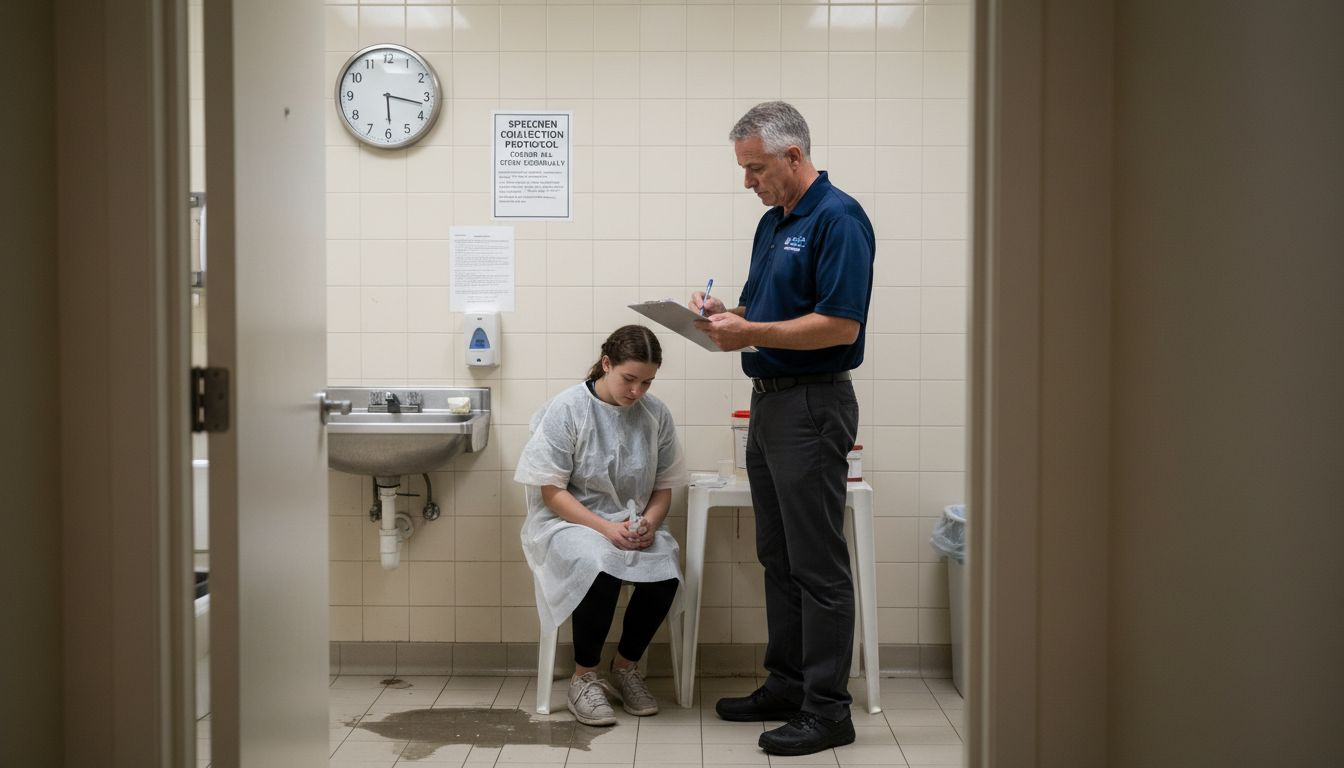
Documentation is your strongest defense. Develop a meticulous chain-of-custody system that tracks each sample from collection through analysis, creating a transparent and defensible record.
This table highlights the impact of secure sample collection features on reliability and compliance:
| Security Feature | Impact on Reliability | Compliance Benefit |
|---|---|---|
| Certified Staff | Minimizes handling errors | Meets legal requirements |
| Chain-of-Custody Documents | Prevents sample misplacement | Strengthens legal defense |
| Anti-Tampering Measures | Reduces risk of manipulation | Protects data integrity |
| Digital Tracking Systems | Facilitates real-time oversight | Simplifies audit process |
Pro tip: Conduct periodic audits of your sample collection procedures to identify and address potential vulnerabilities in your screening workflow.
Step 4: Partner with Certified Laboratories
Establishing strategic partnerships with certified laboratories is fundamental to creating a reliable and compliant drug screening workflow for rehabilitation facilities. Your laboratory partner will serve as a critical ally in maintaining testing accuracy and regulatory adherence.
Evidence-based laboratory certification ensures that your drug screening processes meet the highest professional standards. When selecting a laboratory partner, prioritize these essential evaluation criteria:
- SAMHSA certification status
- Accreditation from recognized professional bodies
- Proven quality control mechanisms
- Advanced testing technologies
- Comprehensive reporting capabilities
Key steps in developing a strong laboratory partnership include:
- Review detailed laboratory credentials
- Verify current certification standards
- Assess technical testing capabilities
- Evaluate communication and reporting protocols
- Establish clear performance expectations
A certified laboratory is not just a service provider - it’s a critical partner in patient care and recovery.
Compliance standards represent the cornerstone of laboratory selection. Clinical best practices recommend comprehensive vetting to ensure your chosen laboratory can consistently deliver accurate, legally defensible test results.
Prioritize laboratories with robust quality assurance frameworks that demonstrate commitment to precision, confidentiality, and continuous improvement in drug screening methodologies.
Pro tip: Schedule periodic performance reviews with your laboratory partner to maintain alignment with evolving clinical and regulatory requirements.
Step 5: Validate Screening Results and Documentation
Validating drug screening results is a critical process that ensures the accuracy and legal defensibility of your rehabilitation facility’s testing workflow. This step transforms raw data into actionable clinical insights that support patient treatment and organizational compliance.
Evidence-based validation protocols require a comprehensive approach to confirming screening results. Key validation strategies include:
- Confirmatory testing via advanced spectrometry
- Cross-referencing multiple testing methods
- Verifying specimen chain of custody
- Reviewing technical testing documentation
- Assessing result interpretation accuracy
Implement a systematic validation process through these essential steps:
- Conduct gas chromatography-mass spectrometry confirmation
- Compare initial and confirmatory test results
- Document all testing procedures meticulously
- Review results with certified medical professionals
- Generate comprehensive, legally compliant reports
Validation is not just a procedural requirement - it’s a commitment to patient care and scientific integrity.
Documentation protocols play a crucial role in result validation. Multidimensional assessment techniques help ensure that your screening results are not only accurate but also contextually meaningful for treatment planning.
Establish robust electronic record-keeping systems that provide transparent, traceable documentation of every stage of the drug screening process.
Pro tip: Create a standardized validation checklist to ensure consistent and thorough result verification across all screening procedures.
Step 6: Review and Refine Workflow for Compliance
Maintaining a dynamic and legally compliant drug screening workflow requires continuous evaluation and strategic refinement. Your goal is to create an adaptive system that responds effectively to evolving regulatory standards and clinical best practices.
Comprehensive regulatory compliance strategies demand a systematic approach to workflow assessment. Key review elements include:
- Current regulatory landscape analysis
- Staff training effectiveness
- Procedural documentation accuracy
- Technical compliance measures
- Performance metric tracking
Implement a structured review process through these critical steps:
- Conduct quarterly workflow audits
- Compare current practices against latest standards
- Identify potential compliance gaps
- Develop targeted improvement strategies
- Update documentation and training protocols
Compliance is not a destination - it’s a continuous journey of improvement and adaptation.
Evidence-based refinement requires more than superficial adjustments. Systematic workflow evaluation techniques help facilities proactively anticipate and address potential compliance challenges before they become significant issues.
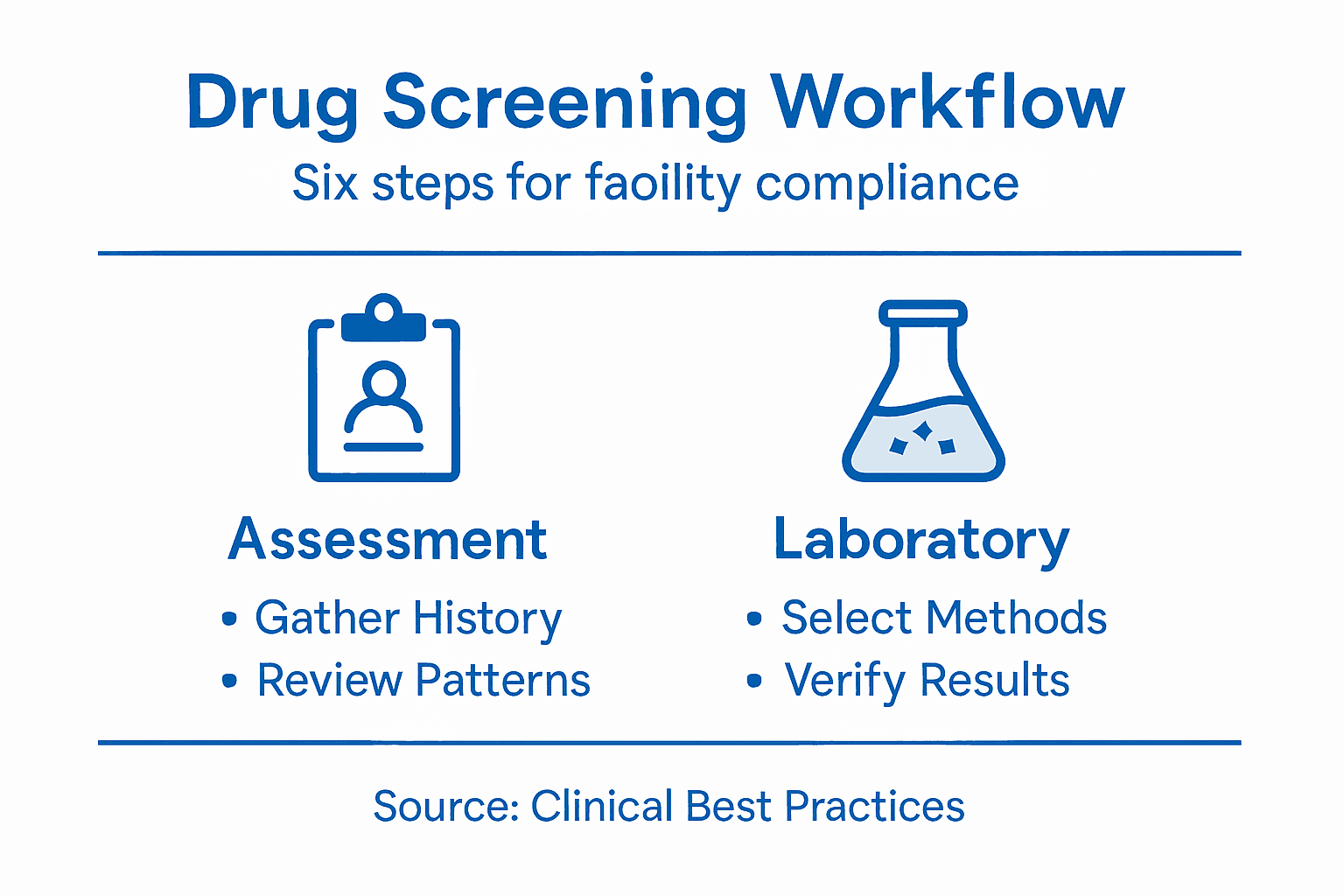
Establish feedback mechanisms that enable ongoing dialogue between clinical staff, compliance officers, and management to ensure comprehensive workflow optimization.
Pro tip: Create a dedicated compliance review team with cross-functional representation to ensure holistic and nuanced workflow assessments.
Enhance Your Rehab Facility’s Drug Screening Workflow with Trusted Testing Solutions
Ensuring a reliable and compliant drug screening workflow is essential for every rehabilitation facility. You face challenges like selecting scientifically valid testing methods, securing sample integrity, and partnering with certified laboratories to validate results accurately. CountryWideTesting.com understands these critical needs and offers a broad range of SAMHSA, ISO, CLIA, and CAP certified testing products and lab services that align perfectly with your facility’s compliance and quality goals.
Take control of your drug screening process today by exploring our trusted urine and mouth swab tests, as well as customized laboratory services designed for rehabilitation centers like yours. Visit CountryWideTesting.com now and ensure your samples are processed with the highest accuracy and security standards supported by expert partnerships. Don’t compromise on compliance or patient care—start improving your screening workflow with our seamless solutions immediately.
Frequently Asked Questions
How can I assess the specific drug screening requirements for my rehabilitation facility?
Begin by evaluating your facility’s unique needs through a review of existing protocols and patient demographics. Examine guidelines for structured substance use assessments to develop a tailored approach that maintains compliance and accuracy.
What drug testing methods are most compliant and effective for rehabilitation facilities?
Select a multi-tiered approach that combines initial screenings with confirmatory testing methods. Consider factors such as the sensitivity, specificity, and cost-effectiveness of each testing protocol to ensure the best outcomes in patient assessments.
What are the key protocols for secure sample collection in drug screening?
Implement proper sample collection protocols by designating secure areas, training certified personnel, and maintaining strict chain-of-custody documentation. Ensure that all specimens are labeled and tracked immediately after collection to uphold testing integrity.
How can I validate drug screening results effectively?
Validate drug screening results by conducting confirmatory testing and cross-referencing initial test outcomes. Document every stage of the testing process thoroughly to ensure accuracy and compliance with legal and clinical standards.
What ongoing compliance measures should I take for my drug screening workflow?
Continuously review and refine your drug screening workflow by conducting regular audits and staying updated on the latest regulatory requirements. Create a feedback mechanism among staff to identify and address compliance gaps proactively.