
Master the Drug Screening Process for Family Law Cases
Choosing the right drug screening process can determine the outcome of custody cases where child safety is questioned. American courts demand court-admissible drug testing from laboratories meeting strict accreditation like ISO IEC 17025, emphasizing reliable evidence for parental fitness. Family law attorneys face mounting pressure to understand every step—from credible allegations to documented chain of custody—to ensure clients’ interests are fully protected and to satisfy the latest legal standards.
Table of Contents
- Step 1: Identify Court-Ordered Drug Screening Requirements
- Step 2: Select Certified Laboratories and Testing Methods
- Step 3: Arrange Sample Collection and Chain of Custody
- Step 4: Submit Samples for Laboratory Analysis
- Step 5: Verify and Document Test Results for Legal Compliance
Quick Summary
| Key Insight | Explanation |
|---|---|
| 1. Understand drug testing criteria | Comprehend the requirements and triggers for court-ordered drug tests in custody cases. |
| 2. Choose accredited laboratories | Ensure the selected laboratory meets forensic standards for reliable and admissible results. |
| 3. Maintain chain of custody | Document every stage of sample handling to uphold the integrity and legality of the drug tests. |
| 4. Verify test results rigorously | Confirm laboratory accreditation and review documentation to support your custody case effectively. |
| 5. Consult legal professionals | Seek advice from attorneys specializing in drug testing to navigate the process correctly. |
Step 1: Identify court-ordered drug screening requirements
Navigating the complex landscape of drug screening in family law cases demands a strategic approach. When child custody is at stake, courts may require comprehensive drug testing to assess parental fitness and child safety. Specific court-ordered testing protocols help legal professionals make informed decisions.
Understanding the drug screening requirements involves several critical components:
- Credible allegations of substance abuse must be present
- Courts exercise discretionary power in ordering tests
- Multiple testing methods are available, including:
- Urine screenings
- Hair follicle tests
- Blood analysis
Parents involved in family court proceedings should anticipate potential testing scenarios. The court may request testing based on:
- Documented history of substance abuse
- Concerns raised in the Notice of Risk filing
- Potential risk to child welfare
- Previous criminal history related to drug use
Courts prioritize child safety and will use drug testing results to inform custody decisions.
Documentation is crucial. Parties must be prepared to submit comprehensive risk assessments and comply with court-mandated testing protocols. Refusal to participate in court-ordered drug screenings can be interpreted as an admission of potential substance abuse.
Pro tip: Consult with a family law attorney who specializes in drug testing requirements to understand the specific testing procedures in your jurisdiction.
Step 2: Select certified laboratories and testing methods
Selecting the right laboratory and testing method is a critical step in ensuring the credibility and legal admissibility of drug screening results in family law cases. Certified testing protocols provide the foundation for comprehensive and reliable assessments.
When choosing a drug testing approach, attorneys and parties must consider multiple factors:
- Accreditation standards are paramount
- Multiple testing methods exist:
- Urine screenings
- Hair follicle analysis
- Blood testing
- Fingernail and toenail tests
Key considerations for laboratory selection include:
- ISO/IEC 17025 certification
- SAMHSA or CLIA accreditation
- Specialized testing capabilities
- Comprehensive reporting mechanisms
- Chain of custody documentation
Not all laboratories meet the rigorous standards required for family court drug testing evidence.
Different testing methods provide varying insights into substance use:
Here is a comparison of common drug testing methods and the type of information each provides:
| Testing Method | Detection Window | Insights Provided |
|---|---|---|
| Urine Screening | 1-3 days | Recent substance use |
| Hair Follicle Test | Up to 90 days | Long-term usage patterns |
| Blood Analysis | Hours to days | Current impairment or recent use |
| Nail Testing | 6-12 months | Extended history of substance use |
| Continuous Monitoring | Ongoing | Alcohol use in real-time |
- Hair tests reveal long-term substance use patterns (up to 90 days)
- Blood tests indicate recent drug consumption
- Continuous monitoring devices like SCRAM bracelets track specific substance use
Comprehensive testing requires selecting laboratories with proven expertise in forensic drug screening. Attorneys should verify a lab’s credentials and track record in providing court-admissible evidence.
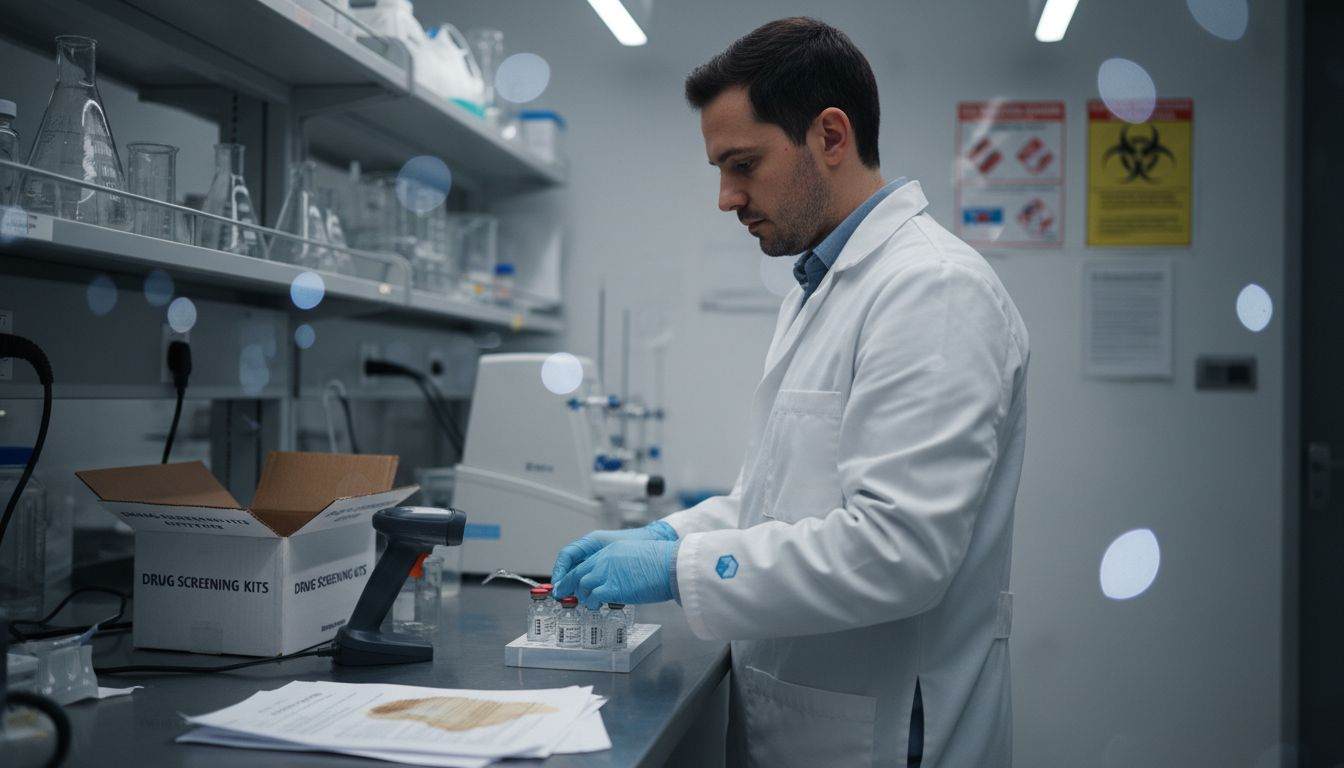
Pro tip: Request sample reports and certification documentation from potential laboratories to ensure they meet the specific requirements of family court proceedings.
Step 3: Arrange sample collection and chain of custody
Ensuring the legal integrity of drug screening requires meticulous attention to sample collection and documentation. Drug screening workflow demands precision and strict adherence to forensic protocols.
The sample collection process involves several critical steps:
- Proper identification of the test subject
- Selection of an approved collection site
- Maintaining strict confidentiality
- Documenting every stage of sample handling
Key components of chain of custody include:
- Specimen collection by trained professionals
- Immediate labeling and documentation
- Secure transportation of samples
- Rigorous tracking mechanisms
- Sealed and tamper-evident containers
Maintaining an unbroken chain of custody is crucial for legal admissibility of drug test results.
Attorneys and parties must ensure:
- Witness verification during sample collection
- Comprehensive documentation of transfer
- Detailed tracking logs
- Secure storage protocols
Careful documentation protects the legal standing of drug screening evidence. Each transfer, from collection to laboratory analysis, must be meticulously recorded and verified.
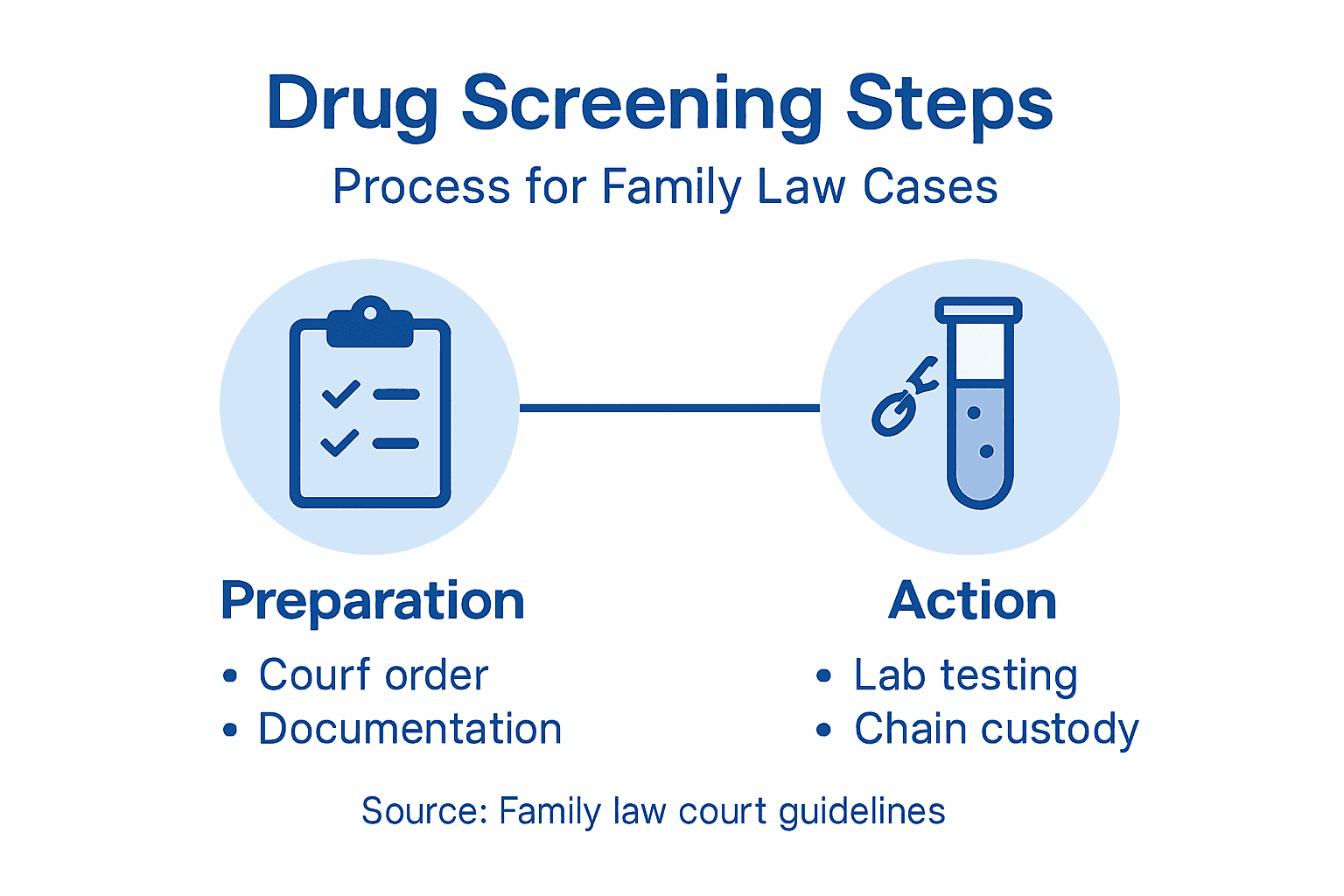
Pro tip: Request a detailed chain of custody form and confirm all collection personnel are certified in forensic sample management.
Step 4: Submit samples for laboratory analysis
Transitioning from sample collection to laboratory submission requires precision and understanding of forensic protocols. Step-by-step drug screening workflow provides critical guidance for attorneys navigating this complex process.
Submission procedures involve multiple critical steps:
- Secure packaging of collected samples
- Completing comprehensive documentation
- Verifying chain of custody paperwork
- Selecting accredited testing facilities
Key submission requirements include:
- Seal samples in tamper-evident containers
- Include fully completed chain of custody forms
- Maintain temperature and handling specifications
- Document all transfer points
- Obtain written confirmation of receipt
Laboratory submissions must meet strict forensic standards to ensure legal admissibility.
Critical documentation for sample submission:
- Detailed subject identification
- Collection site information
- Testing panel specifications
- Specimen type and collection method
Precise documentation protects the legal integrity of drug screening evidence. Each submitted sample must be accompanied by comprehensive, accurate records.
The following table summarizes essential requirements for court-admissible drug screening evidence:
| Requirement | Purpose | Legal Impact |
|---|---|---|
| Chain of Custody | Ensures sample integrity | Maintains admissibility |
| Accredited Laboratory | Validates test reliability | Meets court standards |
| Detailed Documentation | Provides transparent records | Enables legal verification |
| Expert Interpretation | Explains complex results | Strengthens case arguments |
Pro tip: Request a tracking number and confirmation receipt for every sample submitted to maintain a verifiable record of laboratory transfer.
Step 5: Verify and document test results for legal compliance
Successful drug screening in family law cases hinges on meticulous verification and documentation. Drug testing legal requirements demand comprehensive evidence preparation to support custody proceedings.
Key verification steps include:
- Confirming laboratory accreditation
- Reviewing complete test documentation
- Analyzing detailed test results
- Validating chain of custody
Critical documentation components:
- Signed chain of custody forms
- Official laboratory reports
- Expert interpretation statements
- Compliance verification documents
Courts require rigorous evidence standards to ensure the reliability of drug test results.
Essential verification procedures:
- Independent laboratory certification
- Comprehensive sample tracking
- Detailed result interpretation
- Cross-referencing multiple test results
Legal admissibility depends on precise documentation and adherence to forensic standards. Each test result must withstand potential legal scrutiny.
Pro tip: Request supplemental expert testimony to strengthen the interpretation and credibility of drug screening evidence in court proceedings.
Simplify Court-Ordered Drug Screening with Trusted Solutions
Navigating court-ordered drug screenings in family law cases can be overwhelming. From selecting certified laboratories to maintaining an unbroken chain of custody and ensuring accurate test results, every step demands precision and compliance. At CountryWideTesting.com, we understand the critical importance of these requirements and offer a comprehensive range of drug and alcohol testing services designed to meet the highest legal standards including SAMHSA, ISO, and CLIA certifications. Our easy-to-use platform connects you with licensed laboratories for reliable urine and mouth swab tests that help you satisfy family court mandates with confidence.
Take control of the complex drug screening process today. Whether you need at-home kits or professional lab testing services, explore our trusted solutions to ensure precise documentation and court-admissible results. Start with CountryWideTesting.com and discover why so many turn to us for seamless, legally compliant testing. Visit our lab testing services page now to secure dependable drug screening support tailored for family law needs.
Frequently Asked Questions
What are the court-ordered drug screening requirements in family law cases?
Court-ordered drug screening requirements often include credible allegations of substance abuse and may involve testing based on documented concerns regarding child safety. To navigate these requirements, consult with a family law attorney who specializes in drug testing to understand specific legal protocols in your jurisdiction.
How do I select a certified laboratory for drug testing in family law cases?
To select a certified laboratory for drug testing, ensure it meets accreditation standards such as ISO/IEC 17025 or SAMHSA certification. Request sample reports and certification documents to verify that the lab complies with requirements for family court submissions.
What steps should I follow for proper sample collection and maintaining the chain of custody?
Ensure proper sample collection by identifying the test subject, using an approved collection site, and documenting every stage of sample handling. Confirm that all samples are labeled correctly and transported securely to maintain an unbroken chain of custody, which is crucial for the legal admissibility of drug test results.
How can I verify and document test results for legal compliance in drug screening?
To verify and document test results for legal compliance, check that the laboratory is accredited and review the complete test documentation carefully. Maintain signed chain of custody forms and ensure you have expert interpretation statements, as courts require rigorous standards for evidence reliability.
What types of drug testing methods are typically used in family law cases?
Common drug testing methods in family law cases include urine screenings, hair follicle tests, blood analysis, and nail tests, each providing varying insights into substance use. Choose a method based on its detection window and the specific information needed for your case, and consult with experts to select the most appropriate test type.
What can happen if I refuse to participate in a court-ordered drug screening?
Refusing to participate in a court-ordered drug screening can be interpreted as an admission of potential substance abuse and may negatively impact custody decisions. It is best to comply with testing requirements and document any concerns regarding the process to protect your position in court.