
How to Conduct Student Drug Testing: A Step-by-Step Guide
Every administrator knows how quickly questions arise when launching a student drug testing program in an American private school. Addressing privacy concerns, legal obligations, and parent trust can feel daunting, especially with so many details to manage. By focusing on clear drug testing policies and informed consent procedures, you can build a framework that meets regulatory standards, reassures families, and keeps students safe. This guide shows how to create a transparent and effective process from policy development through secure results management.
Table of Contents
- Step 1: Establish Drug Testing Policies and Obtain Consent
- Step 2: Select Appropriate Testing Methods and Providers
- Step 3: Administer Student Drug Testing Securely
- Step 4: Verify Results and Maintain Confidential Records
Quick Summary
| Key Insight | Explanation |
|---|---|
| 1. Establish Clear Policies | Create a written drug testing policy that defines what will be tested and the procedures involved to ensure transparency. |
| 2. Obtain Informed Consent | Ensure students and parents understand the testing process, privacy, and their rights, while documenting consent clearly. |
| 3. Choose Appropriate Testing | Select testing methods based on cost, detection window, and privacy impact while using accredited providers to ensure credibility. |
| 4. Maintain Confidentiality | Safeguard student results through secure storage and limit access to authorized personnel only, ensuring compliance with privacy laws. |
| 5. Document All Processes | Keep meticulous records of testing procedures, results verification, and access logs to protect the school legally and ethically. |
Step 1: Establish Drug Testing Policies and Obtain Consent
Before you implement any testing program, you need a written policy that clearly outlines your school’s approach. This document becomes your foundation for everything that follows. Having a solid policy protects both your school and your students by establishing transparent expectations from day one.
Start by defining exactly what you’re testing for and why. Are you screening for illegal drugs, prescription medication misuse, or both? Your policy should specify which grades or activities trigger testing. For example, many private schools focus on student-athletes or those in extracurricular programs rather than blanket testing.
Next, document the testing process itself. Include details about:
- Who conducts the tests (internal health officer, contracted lab, or third-party administrator)
- When and how often testing occurs
- What happens to samples and how long results are stored
- Which substances you’re screening for
- The consequences of positive results
Understanding informed consent procedures ensures your school meets ethical and legal standards. Students and parents must receive clear communication about the purpose, potential risks, confidentiality measures, and their right to withdraw consent.
Your consent process is where legality meets trust—get this right, and everything else flows smoothly.
When obtaining consent, provide written documentation that explains the testing purpose, procedures, and how results will be used. Parents need to understand that consenting to testing doesn’t mean giving up privacy rights. Make it clear how you’ll handle confidential results and who has access to them.
Create a timeline for when students and families sign consent forms. Many schools require this before athletic season starts or when students join specific clubs. Build in time for questions and concerns—some families will want clarification, and that’s normal.
According to SAMHSA’s guidance on creating transparent drug testing policies, clear communication motivates stakeholder support and maintains legal compliance. Schedule meetings with parents, coaches, and student leaders to explain the program before launching it.
Address potential pushback directly. Some parents worry about privacy invasions. Others question whether testing is necessary. Being prepared with honest, research-backed answers builds confidence in your approach.
Pro tip: Keep signed consent forms in a separate, secure location from test results themselves—this separation protects student privacy and demonstrates to parents that you take confidentiality seriously.
Step 2: Select Appropriate Testing Methods and Providers
Now that your policy is in place, you need to decide how you’ll actually test students and who will handle the testing. The method you choose directly impacts accuracy, reliability, and student acceptance of your program.
The most common testing methods include urinalysis, oral fluid tests, and hair analysis. Each has distinct advantages and limitations. Urinalysis remains the gold standard in schools because it’s affordable, accurate, and detects a wide range of substances. Validated testing methods like urinalysis provide the reliability your school needs to stand behind results confidently.
Consider these factors when selecting your testing method:
- Cost per test and your total budget
- Detection window (how long substances remain detectable)
- Student comfort and privacy during collection
- Accuracy rates and false positive risks
- Ease of sample collection and storage
- Lab turnaround time for results
Oral fluid tests offer advantages for random testing because they’re quick and minimize privacy concerns. However, they typically detect substances only within 24 to 48 hours. Hair analysis has the longest detection window but costs significantly more and raises privacy questions about collection procedures.
Here’s a quick reference comparing student drug testing methods and their suitability for school programs:
| Testing Method | Detection Window | Cost | Student Privacy |
|---|---|---|---|
| Urinalysis | 2-7 days | Low, budget friendly | Moderate privacy |
| Oral Fluid Test | Up to 48 hours | Moderate | High privacy |
| Hair Analysis | Up to 90 days | High, costly | Low privacy, intrusive |
This summary will help schools choose the right method based on accuracy, cost, and privacy impact.
Next, evaluate testing providers carefully. You have three main options: use your school’s health officer, contract with a local lab, or hire a third-party testing company that specializes in schools. Each approach has tradeoffs in cost, expertise, and administrative burden.
When selecting a lab or provider, verify they hold proper accreditation and certifications. Look for labs that maintain SAMHSA, CLIA, or CAP certification. These credentials guarantee the lab follows strict quality standards and handles samples properly.
Selecting an accredited provider isn’t just about compliance—it protects your school from liability and ensures parents trust your results.
Request references from other schools using the provider. Ask how they handle chain of custody, report results, and support schools through positive cases. A good provider acts as a partner, not just a vendor.
Comparison shopping matters here. Get pricing from multiple providers and understand what’s included. Some charge only per test, while others bundle collection supplies, training, and support services. Don’t automatically pick the cheapest option—reliability and support often matter more than minimal cost savings.
Verify the provider’s experience with school-based programs specifically. They should understand adolescent privacy concerns, confidentiality requirements, and how to communicate results appropriately to students and parents.
Pro tip: Request a trial run with a small group before full implementation—this reveals logistical challenges and lets you refine procedures without involving your entire student body.
Step 3: Administer Student Drug Testing Securely
The actual testing day requires careful planning and execution. How you conduct the test directly affects result validity, student privacy, and the credibility of your entire program. One mistake in collection procedures can invalidate results and undermine parent trust.
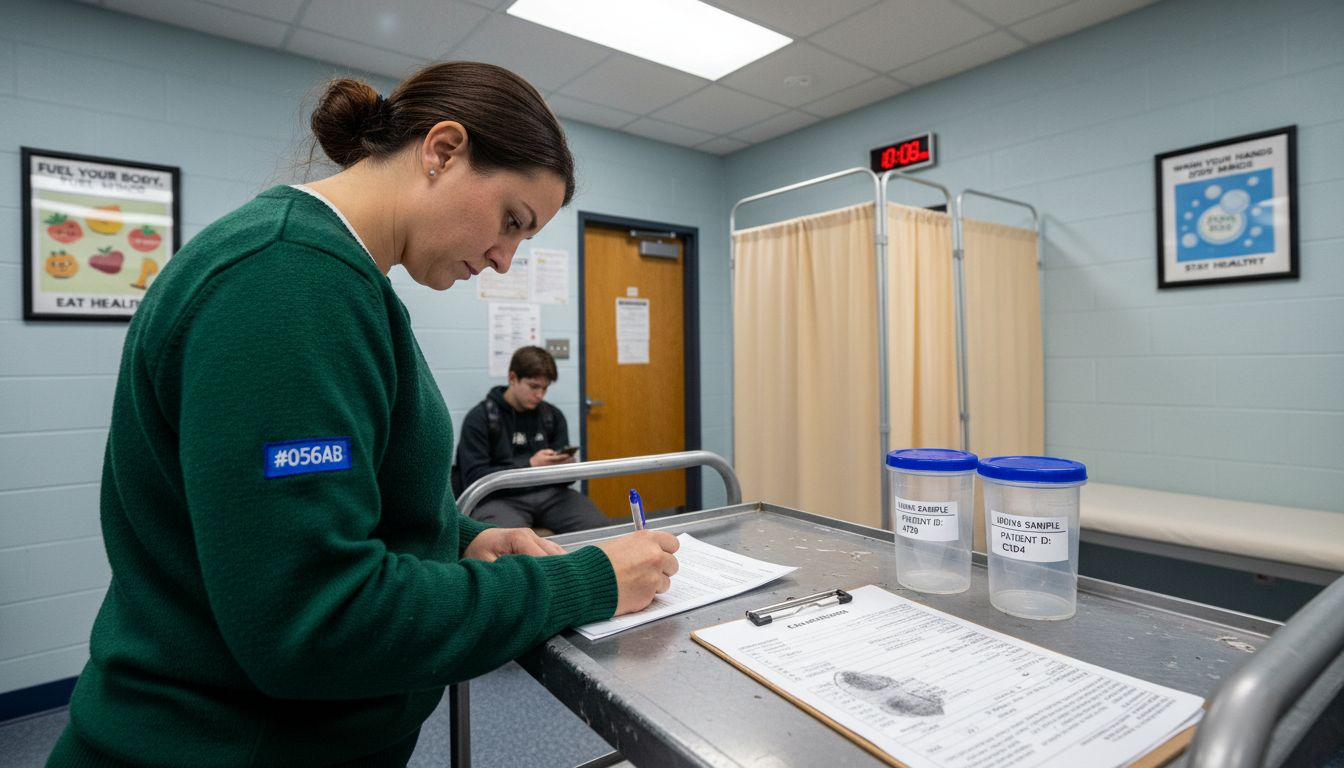
Start by establishing a controlled collection environment. Choose a private space where students feel comfortable and authorized personnel can observe the process appropriately. The testing area should be clean, private, and separate from regular school activities to minimize embarrassment and maintain confidentiality.
Here’s what needs to happen during the testing process:
- Verify student identity using official school identification
- Explain the procedure clearly and answer any questions
- Have the student provide the sample under proper observation
- Document chain of custody with signatures and timestamps
- Seal and label samples immediately with student identifiers
- Store samples securely until transport to the lab
Secure specimen handling protocols prevent tampering and ensure results courts will recognize if needed. Every step from collection through transport must be documented meticulously.
Train all personnel involved in testing before your first administration day. This includes health officers, administrators, and any third-party representatives. Everyone needs to understand privacy rules, proper collection techniques, how to handle student anxiety, and what constitutes appropriate observation.
Proper training transforms potential chaos into a smooth, professional process that students and parents respect.
Maintain strict confidentiality throughout the process. Only necessary personnel should know who’s being tested or when. Communicate with students privately about their individual results, never publicly or in group settings. Create a system where results are accessible only to appropriate staff members.
Prepare for student questions and concerns on testing day. Some students worry about accuracy or privacy violations. Have staff ready to explain why observation is necessary and how samples are protected. Calm, professional responses reduce anxiety and resistance.
Document everything meticulously. Keep detailed records of who collected samples, when collection occurred, how samples were stored, and who transported them to the lab. This documentation protects your school if results are ever questioned.
Arrange for transport to the lab the same day whenever possible. If overnight storage is necessary, maintain secure, temperature-controlled conditions. The longer samples sit, the more vulnerable they become to contamination or tampering claims.
Pro tip: Have a staff member accompany the first few test administrations as an observer to catch procedural problems before they affect actual student results.
Step 4: Verify Results and Maintain Confidential Records
Once your lab returns results, you face critical decisions about verification, communication, and storage. How you handle this phase determines whether your program maintains credibility or creates legal complications. Results mean nothing if they’re mishandled or leaked.
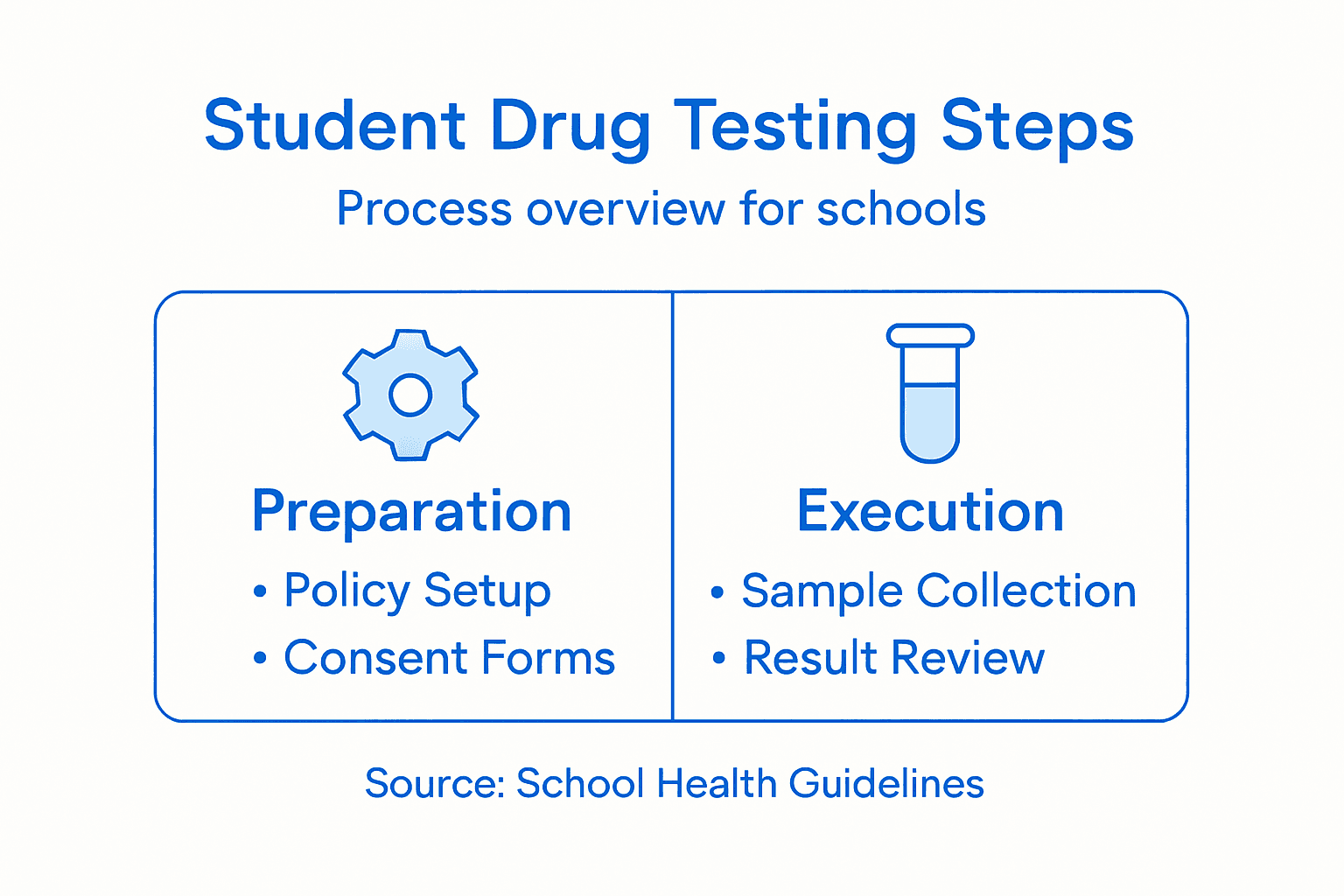
Start by verifying result accuracy with your lab before taking any action. Ask questions about testing procedures, potential false positives, and whether confirmation testing occurred on positive results. Reputable labs conduct confirmatory tests automatically on positive samples to eliminate errors.
Understand what each result means:
- Negative results indicate no detectable substances
- Positive results require immediate follow-up and verification
- Inconclusive results typically mean samples need retesting
- Invalid results usually stem from collection errors, not drug use
Before communicating results to students or parents, verify your lab’s credentials and testing accuracy. Request documentation showing chain of custody and confirmation testing results. This verification protects your school if results are later challenged.
Now comes the critical part: storing results securely. Federal privacy laws like FERPA protect student records with strict requirements about who can access them and how they must be stored. Drug test results are among the most sensitive information your school handles.
Implement these storage and access protocols:
- Keep physical records in a locked cabinet accessible only to authorized personnel
- Use encrypted digital systems if storing results electronically
- Limit access to the school nurse, designated administrator, and parents
- Maintain separate files from general student health records
- Document every instance someone accesses these records
- Establish a record retention schedule and destroy records according to it
Secure storage isn’t just about privacy—it’s about respecting students’ dignity and protecting your school legally.
When communicating positive results, do it privately with the student and parent together when possible. Never announce results publicly or to unauthorized staff. Explain what the results mean, what happens next, and what support is available. Give families time to process before any consequences take effect.
Create a clear record management system documenting who accessed results and when. This audit trail demonstrates compliance if audited later. Industry-leading confidentiality practices emphasize controlled access and encryption to protect sensitive data.
Establish retention timelines before your first test. How long will you keep records? Most schools retain them through the school year plus one or two additional years, then securely destroy them. Document your destruction process.
Key steps to secure and manage drug test records effectively:
| Security Measure | Purpose | Who Can Access |
|---|---|---|
| Locked cabinet storage | Prevents misuse | Authorized staff only |
| Encrypted digital files | Protects digital data | Nurse/admin/parents |
| Audit trails | Tracks record access | Record administrators |
| Retention/destruction policy | Ensures compliance | Compliance officers |
Implementing these protocols maintains confidentiality and legal compliance in student drug testing.
Pro tip: Use a confidential filing system where only initials or ID numbers appear on folders—never full names on visible labels—to prevent accidental breaches if records are glimpsed by unauthorized people.
Simplify Student Drug Testing with Trusted Solutions
Implementing a comprehensive student drug testing program involves careful policy creation, choosing accurate testing methods, and ensuring strict confidentiality. The challenges of finding reliable testing products and partnering with certified laboratories can feel overwhelming. At CountryWideTesting.com, we understand your need for compliant, accurate, and privacy-conscious drug screening solutions that align with your school’s policies and goals.
Explore our selection of SAMHSA and CLIA-certified urine and mouth swab drug tests plus trusted lab testing services designed to support your student testing protocols. Whether you need individual kits for on-site testing or full laboratory partnerships for confirmatory testing, we provide reliable options to protect student privacy and ensure result accuracy. Act today and equip your school with the tools that make student drug testing secure, simple, and legal by visiting CountryWideTesting.com now.
Frequently Asked Questions
What key elements should be included in a student drug testing policy?
A student drug testing policy should define what substances are being tested for, who will conduct the testing, and the consequences of positive results. Outline the testing process in detail and communicate it clearly to both students and parents before implementation.
How can I ensure parents understand the consent process for student drug testing?
To ensure parents understand the consent process, provide detailed written documentation explaining the testing’s purpose, procedures, and how results will be used. Schedule meetings or informational sessions to address any questions or concerns before asking for consent.
What testing methods are most effective for student drug testing?
Urinalysis is often the most effective and widely used method due to its affordability, accuracy, and ability to detect a range of substances. Consider factors like detection windows and student comfort when selecting the appropriate method for your school.
How should I handle and secure student drug test results?
To handle and secure student drug test results, store them in locked cabinets or encrypted digital files accessible only to authorized personnel. Maintain strict documentation of who accesses these records to ensure confidentiality and comply with privacy regulations.
What should schools do if a student tests positive for drugs?
If a student tests positive for drugs, promptly verify the results with the testing lab and communicate privately with the student and their parent or guardian. Provide information about the next steps and support services available to help the student.
How can I build support for a student drug testing program within the school community?
Building support for a student drug testing program requires clear communication with stakeholders, including parents and staff. Organize meetings to explain the program’s purpose and benefits, addressing any concerns or pushback openly and respectfully.