
7 Types of Drug Tests for Students: A Guide for Schools
School drug testing can be a high-stakes challenge for administrators, parents, and students. Choosing the right method involves balancing accuracy, privacy, and both short-term and long-term detection needs. With so many options available, it is easy to feel uncertain about which tests provide real results and protect student well-being.
The right information can make your next decision much simpler. You will discover clear differences between the most widely used approaches, including what each method can detect and when it is most effective. Get ready to find practical solutions for safer, more informed school environments—some options may surprise you as you see how each type works in real situations.
Table of Contents
- 1. Urine Drug Testing: Reliable and Cost-Effective
- 2. Mouth Swab Drug Testing: Fast and Non-Invasive
- 3. Hair Follicle Testing: Long-Term Detection
- 4. Blood Testing: Accurate but Less Common
- 5. Lab-Based Testing: Certified and Regulated
- 6. At-Home Drug Test Kits: Convenient Screening
- 7. Custom Drug Testing Solutions: Meeting School Needs
Quick Summary
| Takeaway | Explanation |
|---|---|
| 1. Urine testing is highly accurate and cost-effective. | Urine drug tests are the gold standard, effectively identifying multiple substances and being budget-friendly for schools. |
| 2. Mouth swab tests provide immediate and non-invasive results. | This method captures recent substance use, allowing for timely intervention with minimal discomfort to students. |
| 3. Hair follicle testing reveals long-term substance use patterns. | This technique detects drug use over several months but is less effective for identifying recent use. |
| 4. Blood testing is precise but rarely used. | While offering the highest accuracy, blood tests are invasive and typically reserved for serious cases requiring confirmation. |
| 5. Custom drug testing solutions can enhance effectiveness. | Tailoring testing strategies to specific school demographics and needs can improve substance use prevention efforts. |
1. Urine Drug Testing: Reliable and Cost-Effective
Urine drug testing represents the gold standard for detecting substance use among students in educational settings. As the most widely used screening method, it offers schools a practical and scientifically validated approach to monitoring potential drug misuse.
Schools rely on urine testing for several compelling reasons:
- High accuracy in detecting multiple substance categories
- Cost-effectiveness compared to other testing methods
- Non-invasive sample collection process
- Comprehensive screening capabilities
The reliability of urine drug testing is supported by extensive medical research demonstrating its effectiveness in identifying recent drug use. Unlike blood tests, urine screenings can detect substances consumed days or even weeks prior, providing a broader window of potential substance detection.
Urine drug tests provide schools with a critical tool for early intervention and student safety.
Typically, urine tests can screen for multiple substances including marijuana, cocaine, amphetamines, opioids, and other illicit drugs. Most standard panels can detect 5-10 different drug categories with remarkable precision, giving school administrators comprehensive insights into potential substance use.
Pro tip: Implement random testing protocols to maximize deterrence and maintain consistent monitoring of student drug use trends.
2. Mouth Swab Drug Testing: Fast and Non-Invasive
Mouth swab drug testing offers schools a rapid and minimally intrusive method for detecting recent student substance use. This innovative screening technique provides administrators with a quick and efficient way to identify potential drug-related concerns.
Key advantages of mouth swab drug testing include:
- Immediate sample collection
- Minimal student discomfort
- Difficult to manipulate or cheat
- Quick turnaround for results
The saliva testing method provides recent drug use insights by detecting substances consumed within hours or days. Unlike urine testing, mouth swab tests capture a snapshot of current or very recent drug exposure, making them particularly useful for immediate intervention.
Mouth swab testing represents a student-friendly approach to substance screening.
Typically, these tests can detect multiple substances including marijuana, cocaine, amphetamines, and opioids. The collection process is straightforward: a sterile swab is placed inside the student’s mouth to collect oral fluid, with results available within minutes for point-of-care tests or days for laboratory analysis.
Pro tip: Combine mouth swab testing with clear communication and support resources to create a comprehensive drug awareness strategy.
3. Hair Follicle Testing: Long-Term Detection
Hair follicle drug testing represents a sophisticated method for uncovering extended patterns of student substance use. Unlike other testing approaches, this technique provides schools with a comprehensive retrospective view of drug consumption over several months.
Key features of hair follicle testing include:
- Detection window up to 90 days
- Multiple substance identification
- Difficult to manipulate
- Non-invasive sample collection
The advanced detection capabilities of hair testing allow schools to analyze approximately 1.5 inches of scalp hair, creating a detailed timeline of potential drug use. This method can reveal substances like marijuana, cocaine, opioids, and amphetamines with remarkable precision.
Hair follicle testing transforms drug screening from a snapshot into a comprehensive historical record.
School administrators should understand that while hair testing offers extensive insights, it cannot detect very recent drug use within 7-10 days. The test requires time for drug metabolites to become incorporated into hair shafts, making it most effective for identifying persistent or recurring substance use patterns.
Pro tip: Combine hair follicle testing with comprehensive student support programs to address underlying substance use concerns.
4. Blood Testing: Accurate but Less Common
Blood testing represents the most precise method of drug detection but remains the least utilized approach in school drug screening programs. Its complexity and invasive nature make it a last resort for educational institutions seeking comprehensive substance use insights.
Key characteristics of blood drug testing include:
- Highest accuracy among testing methods
- Direct measurement of substances
- Quantifiable drug concentration levels
- Immediate impairment detection
The comprehensive drug testing capabilities of blood tests provide an unparalleled level of scientific detail. Unlike other screening methods, blood tests can precisely measure the exact concentration of substances in a student’s bloodstream, offering definitive evidence of recent drug use.
Blood testing delivers the gold standard of scientific precision in substance screening.
School administrators typically reserve blood testing for specific scenarios requiring absolute confirmation. These might include legal investigations, serious safety concerns, or situations where other testing methods have produced inconclusive results. The invasive nature of blood draws and higher associated costs make this method impractical for routine school-wide screenings.
Pro tip: Consider blood testing as a confirmatory method rather than a primary screening approach for student drug testing programs.
5. Lab-Based Testing: Certified and Regulated
Lab-based drug testing represents the gold standard for scientific accuracy and reliability in student substance screening. These specialized facilities provide schools with a comprehensive and legally defensible approach to drug testing that goes far beyond simple point-of-care screening methods.
Key features of laboratory drug testing include:
- Certified testing protocols
- Advanced scientific analysis techniques
- Minimized risk of false results
- Legally defensible documentation
The sophisticated testing methodologies used in certified laboratories employ advanced techniques like gas chromatography-mass spectrometry (GC-MS) to confirm initial screening findings. These methods provide unprecedented accuracy in detecting and quantifying substances with minimal margin of error.
Lab-based testing transforms drug screening from a simple test into a rigorous scientific process.
Certified laboratories follow strict accreditation standards that ensure consistent, reliable results. Schools sending samples to these facilities benefit from comprehensive testing that can withstand potential legal scrutiny and provide definitive evidence of substance use.
Pro tip: Prioritize laboratories with SAMHSA, CLIA, and CAP certifications to ensure the highest standards of testing accuracy and reliability.
6. At-Home Drug Test Kits: Convenient Screening
At-home drug test kits provide parents and educators with a discrete and accessible method for screening potential student substance use. These convenient testing tools offer an initial screening option that can be administered quickly and privately.
Key benefits of at-home drug testing include:
- Non-invasive sample collection
- Fast results within minutes
- Multiple substance screening
- Cost-effective intervention strategy
The practical screening tools for adolescent substance use enable families to proactively address potential drug use before it escalates. Most kits can detect multiple substances including marijuana, cocaine, opioids, and amphetamines with reasonable accuracy.
At-home drug tests transform substance screening from a clinical procedure into a manageable family intervention.
While these kits provide an initial screening, schools and parents should understand that professional laboratory confirmation remains critical for definitive results. At-home tests serve as an important first step in identifying potential substance use concerns.
Pro tip: Always follow up positive at-home test results with professional medical consultation and confirmatory laboratory testing.
7. Custom Drug Testing Solutions: Meeting School Needs
Custom drug testing solutions offer schools a strategic approach to substance screening that goes beyond one-size-fits-all methodologies. These tailored programs recognize that each educational environment has unique challenges and requirements for effective student drug prevention.
Key components of custom drug testing solutions include:
- Targeted testing protocols
- Flexible screening methods
- Comprehensive intervention strategies
- Culturally responsive approaches
The innovative substance screening approaches allow schools to design programs that address specific population needs. For instance, athletic programs might require more frequent testing, while other extracurricular groups could have different screening schedules.
Custom drug testing transforms screening from a punitive process into a supportive intervention strategy.
Successful custom solutions integrate multiple testing methods such as urine, saliva, and hair follicle tests. They also emphasize prevention education, counseling resources, and early intervention rather than purely disciplinary actions.
Pro tip: Engage school stakeholders in developing drug testing policies to ensure comprehensive, compassionate, and effective substance use prevention strategies.
Below is a comprehensive table summarizing the drug testing methods discussed in the article, detailing their features and specific applications in educational settings.
| Testing Method | Features | Applications |
|---|---|---|
| Urine Testing | High accuracy, cost-effective, non-invasive, broad detection window | Standard screening for diverse substance categories in schools |
| Mouth Swab Testing | Rapid results, student-friendly, difficult to manipulate | Addressing recent drug use for immediate intervention |
| Hair Follicle Testing | Long detection window (up to 90 days), extensive insights into patterns | Retrospective analysis of persistent or recurring substance use |
| Blood Testing | Most accurate, direct concentration measurement, precise detection of impairment | Confirmatory testing in legal or serious safety concerns |
| Lab-Based Testing | Certified protocols, advanced reliability, legally defensible results | Comprehensive analysis for definitive evidence |
| At-Home Testing Kits | Convenient, multiple substances detected, cost-effective initial screening | Discrete preliminary evaluation of potential substance use |
| Custom Solutions | Targeted protocols, culturally responsive, integration of multiple methods | Tailored strategies addressing specific school environments |
Enhance Student Safety with Trusted Drug Testing Solutions
Schools face the critical challenge of implementing effective drug testing strategies that ensure student safety while maintaining compliance and trust. This guide highlights the importance of reliable testing methods such as urine, mouth swab, hair follicle, and lab-based screening. School administrators struggle with balancing accuracy, cost-effectiveness, and timely results. At the same time, there is a pressing need for certified laboratory support to provide legally defensible and scientifically sound outcomes.
CountryWideTesting.com understands these needs and offers a comprehensive range of drug testing products and services tailored for educational environments. From affordable urine and mouth swab kits to certified laboratory testing that meets SAMHSA, CLIA, and CAP standards, we provide solutions that empower schools to act confidently. Whether you need quick screening tools or detailed lab analyses, our platform makes it simple to order trusted products backed by expert support.
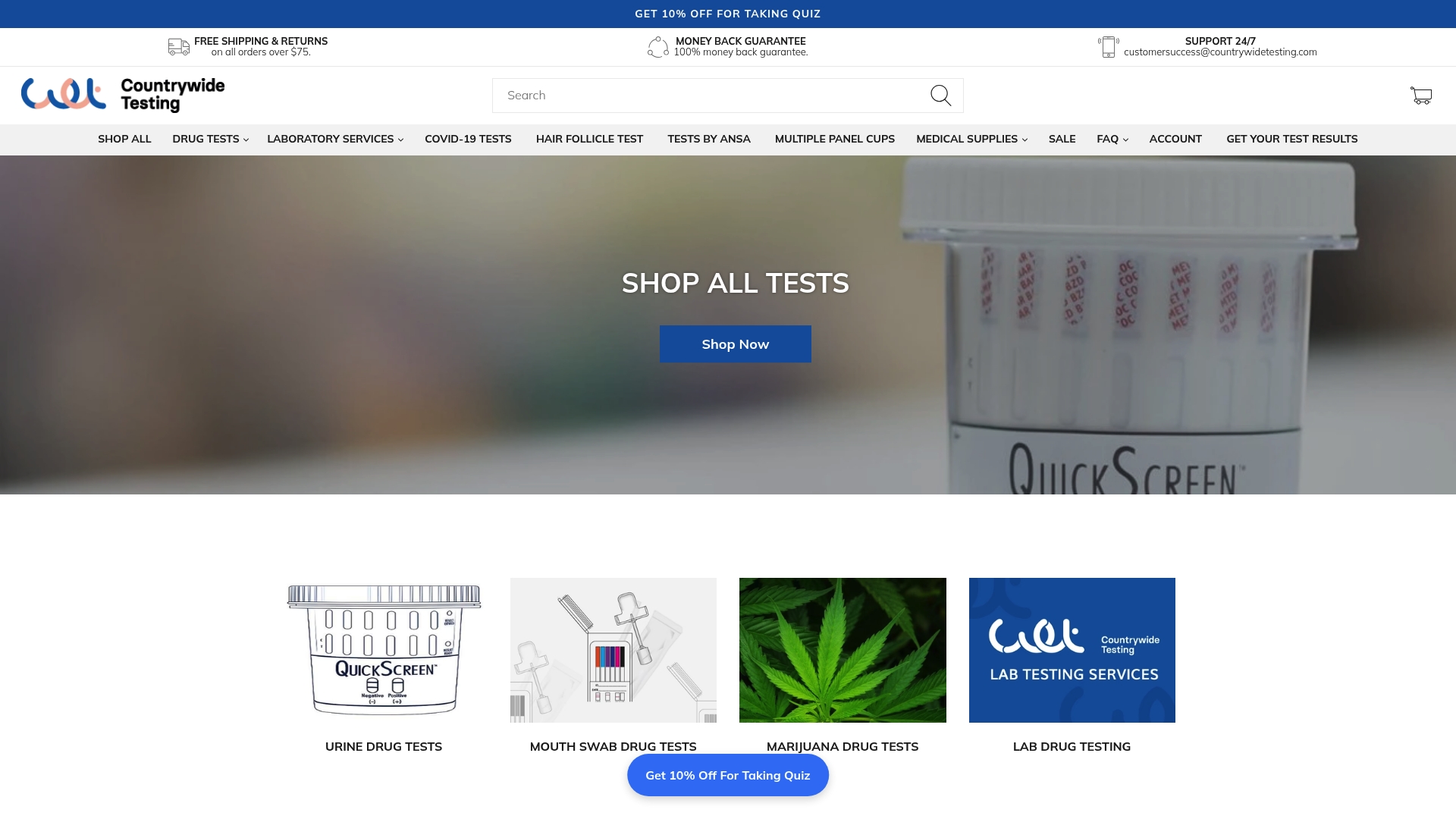
Protect your students and uphold your school’s commitment to health and safety by choosing reliable drug testing options. Explore our offerings and learn how to implement effective screening programs by visiting CountryWideTesting.com. Start today to create a safer, drug-free learning environment with solutions designed to fit your specific needs.
Frequently Asked Questions
What are the different types of drug tests available for students?
Urine, mouth swab, hair follicle, blood, lab-based, at-home test kits, and custom solutions are the main types of drug tests used in schools. Each method offers unique benefits regarding detection windows, ease of use, and accuracy, allowing schools to choose the most suitable option for their needs.
How accurately can drug tests detect substance use among students?
Drug tests vary in accuracy based on the method used. For instance, urine tests are highly accurate for detecting multiple substance categories, while hair follicle tests provide a long-term overview of substance use, covering up to 90 days.
What should schools consider when implementing drug testing programs?
Schools should evaluate the specific needs of their student population when developing drug testing programs. This includes considering the types of substances most commonly used, the sensitivity of the tests, and the implications of positive test results on students’ well-being and educational experience.
How can schools effectively communicate drug testing policies to students?
Establish clear communication by outlining the reasons for drug testing and the testing process. Engage students through informational sessions, ensuring they understand how testing helps promote a safe and healthy educational environment.
When is it appropriate to use more invasive testing methods like blood testing?
Blood testing should be reserved for situations where absolute confirmation of substance use is required, such as safety concerns or legal investigations. Use this method judiciously, considering its invasive nature and higher costs compared to other less invasive testing methods.
What role do parents play in at-home drug testing for students?
Parents can utilize at-home drug test kits as an initial screening tool to monitor for potential substance use. If results are positive, it’s essential to follow up with professional medical consultation and confirmatory testing to address any concerns properly.