
Fentanyl Test Strips Legality in U.S. Workplace Testing
Employers and clinicians in the United States can use fentanyl testing in workplace and clinical programs, and federal policy now requires it for programs following the Mandatory Guidelines. As of July 7, 2025, fentanyl and norfentanyl were added to the Authorized Testing Panels for federal workplace drug testing, confirmed by SAMHSA’s own guidance. The federal pathway runs through HHS-certified laboratories with confirmatory testing (LC-MS/MS) before any adverse action. CLIA-waived screening devices work fine for point-of-care use, but they are not a substitute for that lab-confirmed workflow.
Before you touch a testing policy, take these steps:
- Update written policy language to name fentanyl explicitly.
- Select an HHS-certified lab with CLIA and CAP capability.
- Require confirmatory testing and Medical Review Officer (MRO) review before disciplinary action.
- Confirm which specimen type your program covers: urine, oral fluid, or both.
Key Takeaways
Federal policy requires HHS-certified laboratory confirmation and MRO review before fentanyl test results can drive adverse employment action.
| Point | Details |
|---|---|
| Federal panel change | Fentanyl and norfentanyl joined the Authorized Testing Panels effective July 7, 2025. |
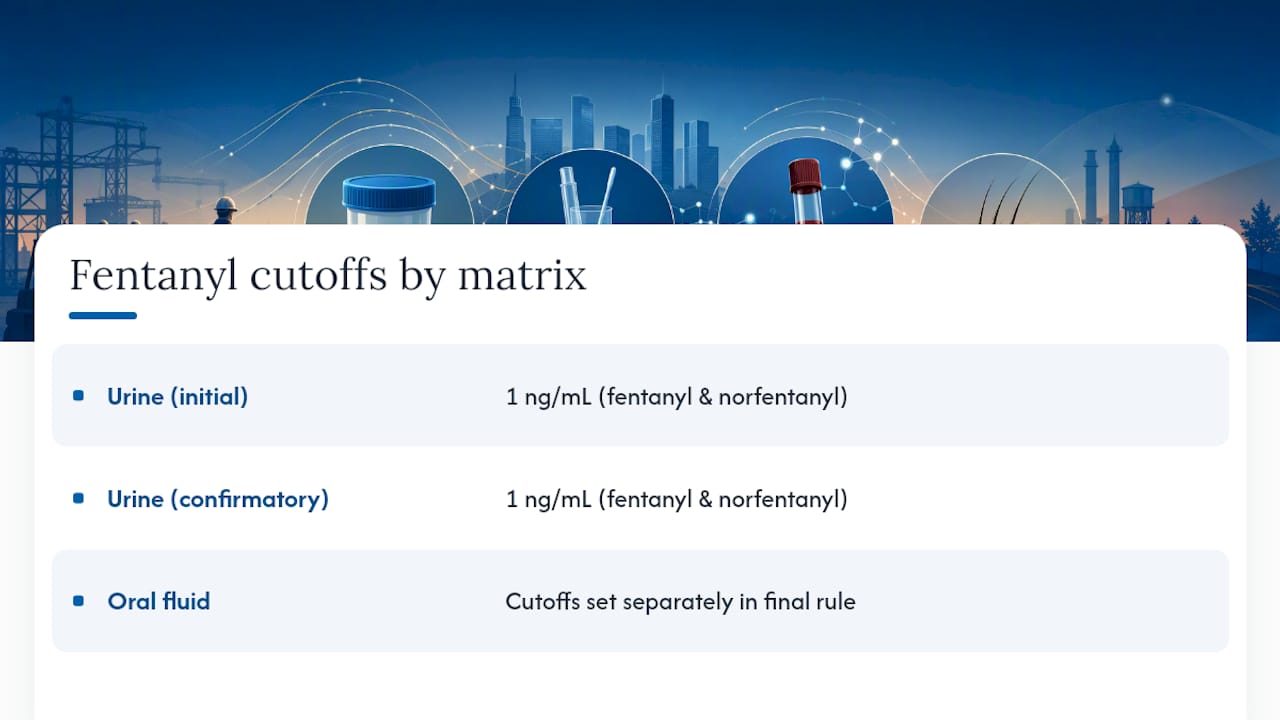
| Cutoffs are specific | Urine testing uses a 1 ng/mL cutoff for both initial and confirmatory fentanyl and norfentanyl results. |
| Screening isn’t confirmation | CLIA-waived devices support point-of-care screening but require lab confirmation before adverse action. |
| State law still applies | Possession and distribution rules for test strips vary by state and territory outside federal workplace programs. |
| Where to source compliant testing | Countrywidetesting supplies HHS-certified lab access and CLIA-waived devices aligned to the new federal cutoffs. |
Table of Contents
- A Provider’s Note on Getting This Right
- How Countrywidetesting Supports Compliant Fentanyl Testing Programs
- Frequently Asked Questions
- Sources
A Provider’s Note on Getting This Right
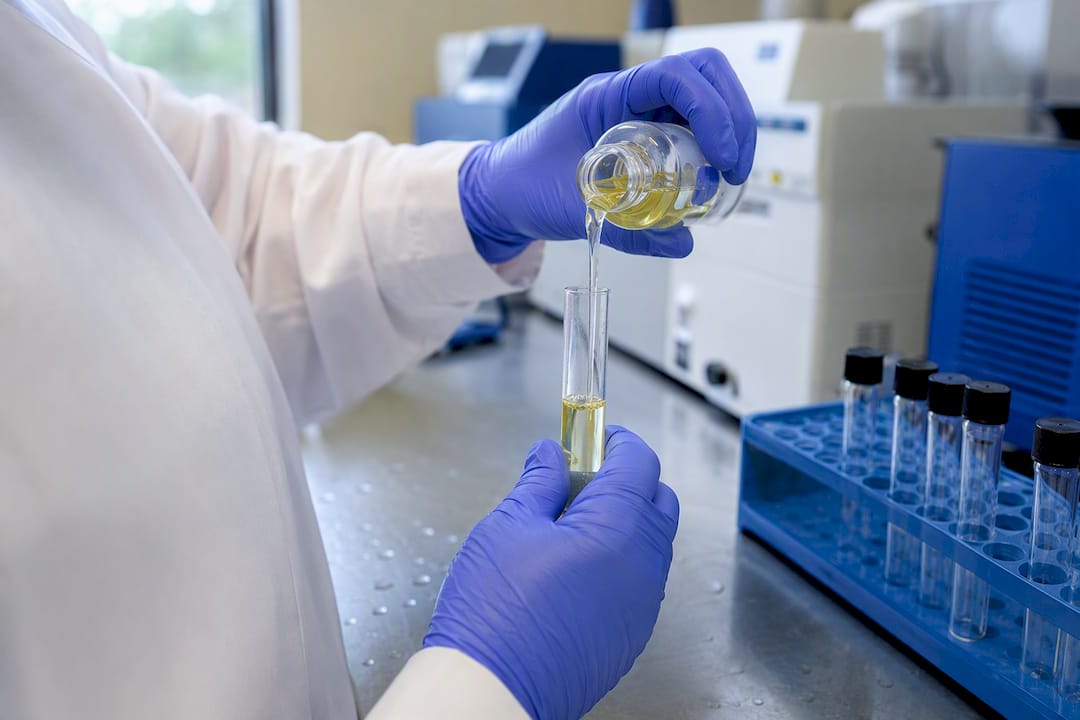
As a lab-testing partner, Countrywidetesting sees the biggest implementation risk clearly: skipping certified confirmatory workflows. MROs exist because raw cutoffs mean nothing without adjudication, and labs must hit the federal analytical-sensitivity bar or programs fail audits.
How Countrywidetesting Supports Compliant Fentanyl Testing Programs
Building a compliant fentanyl testing program from scratch, mid-audit, is a rough way to learn the rules. Countrywidetesting connects employers and clinics to HHS-certified laboratory services, CLIA-waived screening supplies like the QuickScreen Dipcard Fentanyl, and the chain-of-custody and MRO workflows that turn a policy update into an actual functioning program.
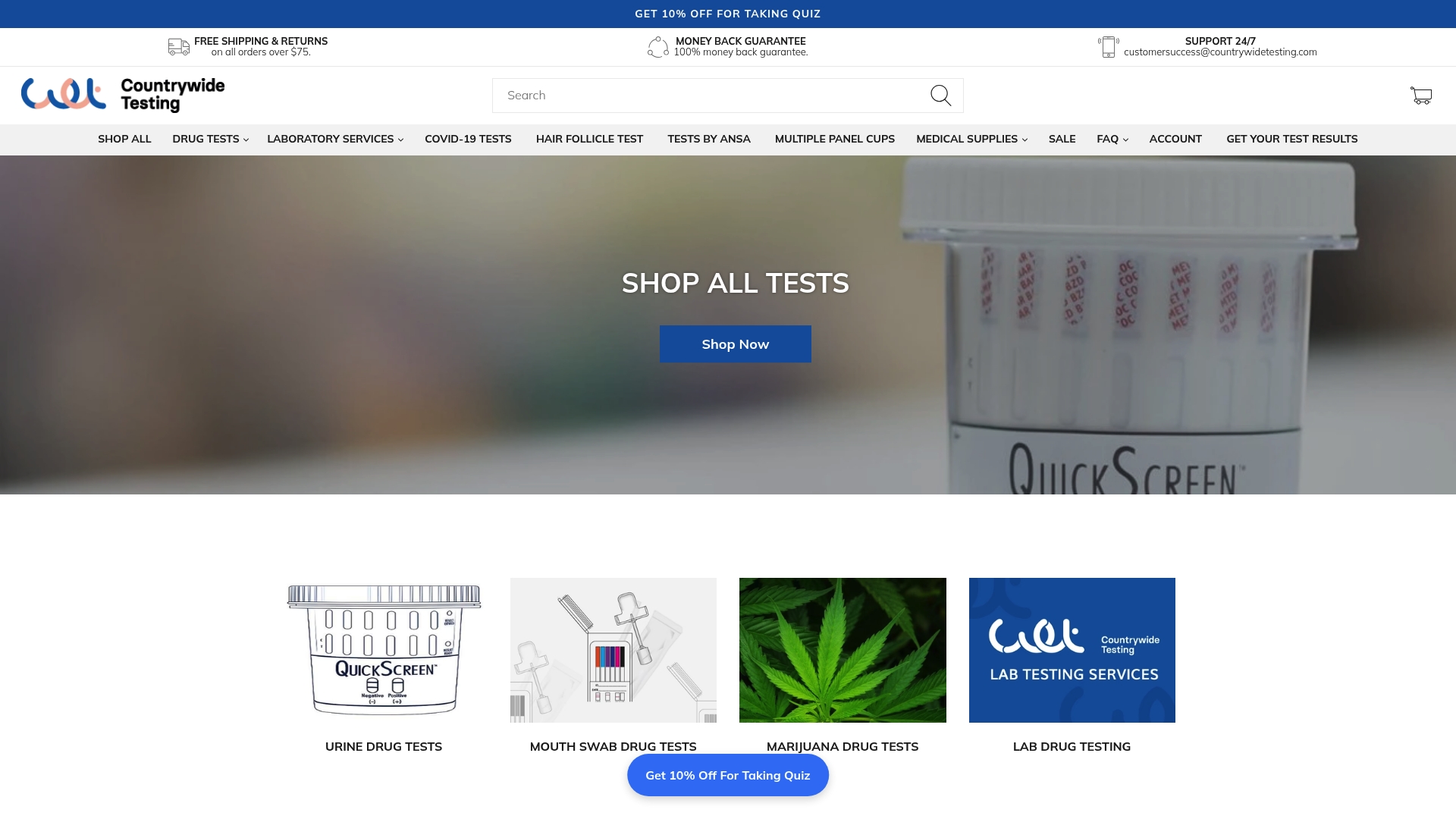
That combination matters because most gaps in workplace testing programs show up at the handoff points: between collection and lab, between lab and MRO, between screen and confirmation. If you’re updating a policy or sourcing supplies that align to the new Authorized Testing Panels cutoffs, start with Countrywidetesting’s laboratory services page to request a quote for enterprise or clinic-scale ordering.
Frequently Asked Questions
Is fentanyl testing legal for U.S. employers? Yes. Fentanyl and norfentanyl are now part of the federal Authorized Testing Panels, and private employers may lawfully test for them using HHS-certified labs and confirmatory protocols.
Are fentanyl test strips themselves federally authorized as a standalone workplace test? No. Federal mandated testing relies on laboratory-based initial screening plus LC-MS/MS confirmation, not point-of-care strips alone, for any result used in adverse action.
Does state law affect whether we can distribute fentanyl test strips? It can. Possession and distribution rules for drug-checking equipment vary by state, so check your jurisdiction before adding strips to any employee-facing program.
What cutoff should our lab use for fentanyl? Federal guidance sets urine cutoffs at 1 ng/mL for both initial and confirmatory fentanyl and norfentanyl testing, with oral fluid cutoffs set separately in the final rule.
Do DOT-regulated employers need to comply immediately? Not yet in full. DOT has proposed aligning its rules with HHS but hasn’t finalized a rule covering all DOT testing programs, so safety-sensitive employers should watch for updates.
Sources
Confirm your program against primary sources, not summaries. Check these first:
- Mandatory Guidelines for Federal Workplace Drug Testing Programs—Authorized Testing Panels
- Drug-free workplace FAQs — SAMHSA
Pro Tip: If you operate in a DOT-regulated sector, don’t assume the HHS cutoffs automatically apply to your program yet. DOT has proposed alignment but hasn’t finalized its own rule, so track that timeline separately.